Your stretch marks are a major source of self-consciousness. You’re considering a cosmetic procedure, but the sheer number of techniques available can feel overwhelming. Don’t worry! Here’s a clear overview of every option — including the difference between aesthetic medicine and surgical treatment for stretch marks.
Sommaire
Aesthetic medicine for stretch marks: the different techniques
Aesthetic medicine and plastic surgery for stretch marks are two very different things. The former is often non-invasive or minimally invasive, can be performed without anaesthesia — or with light local anaesthesia — and involves little to no aftercare. The latter is a surgical procedure in the full sense of the word, with all that entails. With that in mind, here is an overview of the main aesthetic medicine techniques used to treat stretch marks.
1- Plasma injections
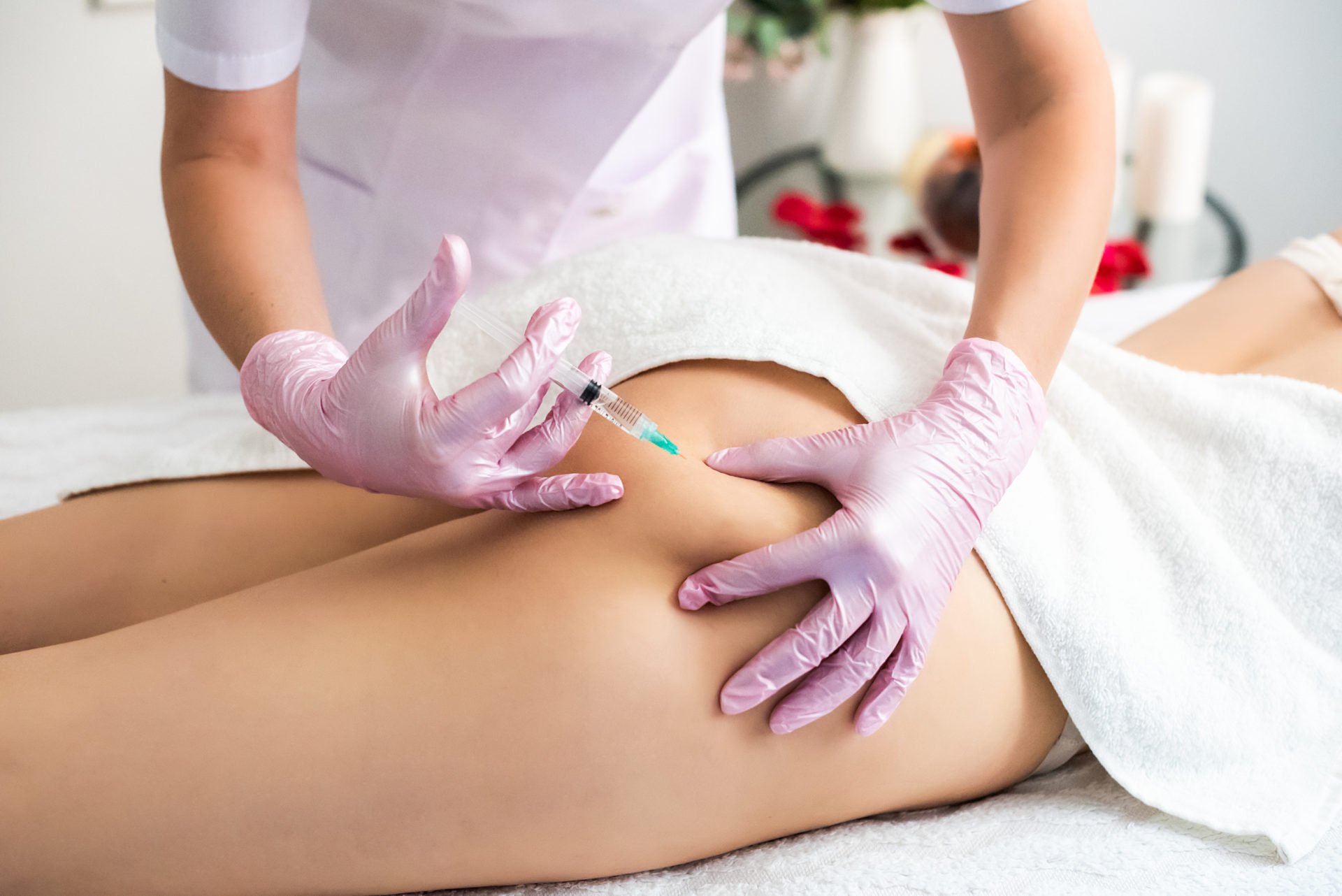
Platelet-rich plasma (PRP) injections are an aesthetic medicine procedure. They aim to encourage dermal regeneration by stimulating the production of new elastic fibres. Plasma injections can be performed on any area of the body.
A session lasts between 20 minutes and 1 hour, and begins with a blood draw. The blood is then centrifuged to extract the platelet-rich plasma. Once isolated, it is re-injected into the stretch-mark-affected area using a fine needle. The injections cause minimal discomfort, but for those with greater sensitivity, a numbing gel can be applied beforehand. For optimal results, 3 to 5 sessions are recommended, spaced one month apart, to allow the skin sufficient time to regenerate.
In some cases, PRP treatment can be combined with autologous fat injections (lipostructure). Tiny fat cells are harvested from the patient via micro-liposuction, then re-injected into the stretch marks. These living cells effectively “fill in” the striations, restoring volume and plumpness to the skin.
First results become visible after approximately 3 months. Once the full protocol is complete, a few maintenance sessions per year are recommended to preserve the results. The cost of a PRP injection session ranges from €300 to €600, depending on the practitioner and the size of the area being treated.
2- Carboxytherapy
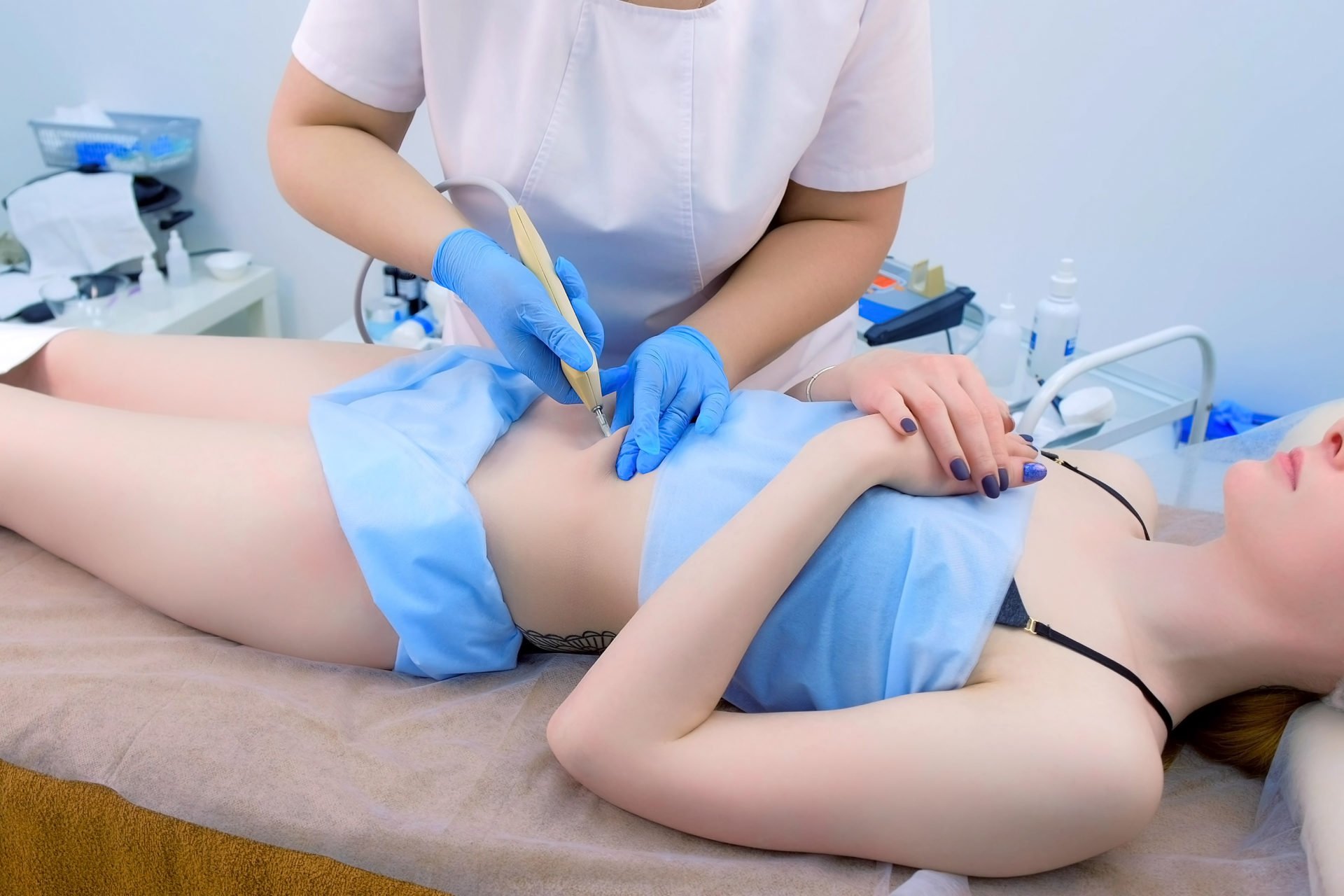
Carboxytherapy (also known as carbotherapy) is a technique that involves injecting sterile medical-grade carbon dioxide gas subcutaneously using a very fine needle. The injected gas stimulates microcirculation, promoting healing and tissue renewal. With improved blood flow, the skin becomes better oxygenated, nourished and hydrated, and begins producing new elastic fibres. Existing stretch marks are visibly reduced as the skin regains suppleness and elasticity.
A session lasts between 20 and 30 minutes and requires no anaesthesia. The practitioner injects CO2 into each stretch mark at a low flow rate using a very fine needle. Under the effect of the gas, the stretch marks temporarily swell and the skin reddens. Since CO2 is highly diffusible, it is eliminated very quickly, as are the skin’s redness. To achieve satisfactory results, 6 to 12 sessions per treatment area are generally required, at a rate of one session per week or every two weeks. Following the initial course of treatment, maintenance sessions should be scheduled every 3 to 6 months. As for cost, a session ranges from €50 to €150.
3- Micro-needling
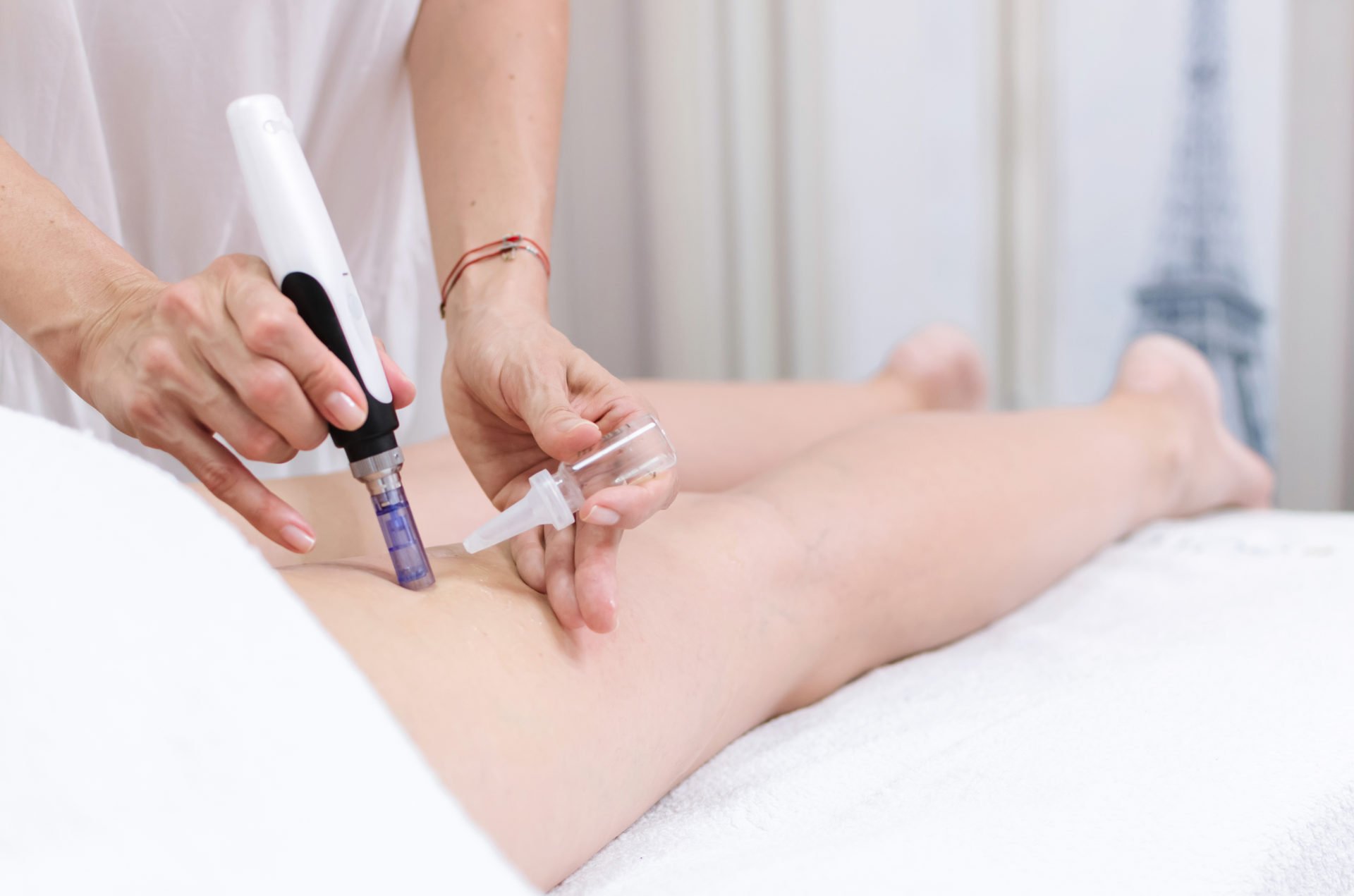
Micro-needling is a relatively recent aesthetic technique that delivers good results on stretch marks, particularly when they are recent (stretch marks red or purple). It involves passing an electric pen fitted with several sterile, single-use micro-needles of varying lengths (0.5 to 3 mm) over the stretch marks. The aim is to create micro-perforations across the different layers of the dermis, triggering skin regeneration at every level. These micro-perforations induce an inflammatory response that restarts the healing process and stimulates collagen and elastin synthesis. The micro-perforation procedure is complemented by the application or injection of revitalising agents such as silicon, hyaluronic acid and vitamins.
A micro-needling session lasts between 30 and 60 minutes, depending on the size of the area being treated. The sensation is tolerable, if not entirely comfortable. If the procedure proves too painful, the practitioner can apply a numbing gel beforehand. Some minor bleeding may be observed after each session, which is entirely normal. To see a noticeable improvement in the appearance of stretch marks, an average of 3 to 4 sessions spaced two weeks apart is recommended. The cost ranges from €150 to €300 per session.
4- Laser
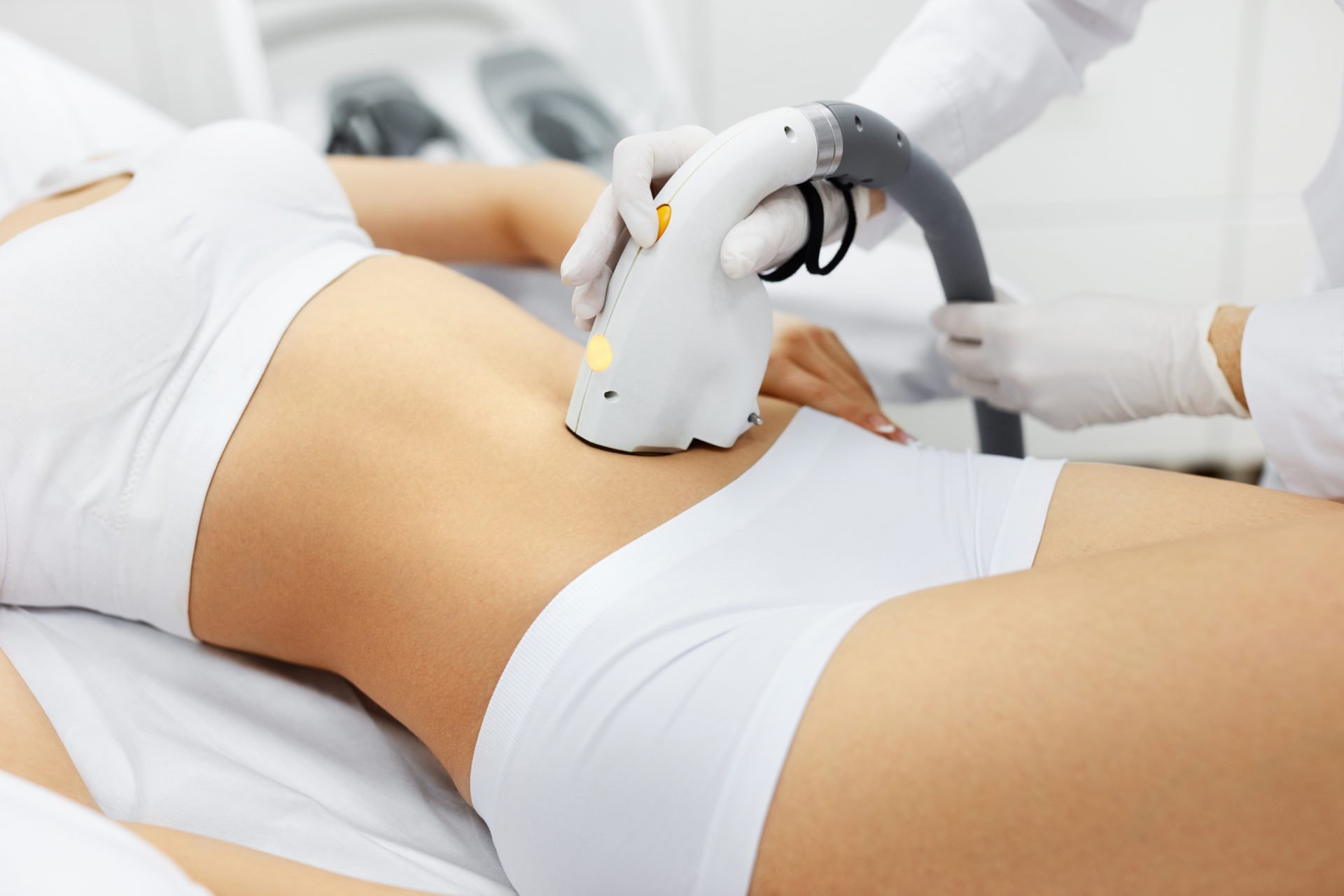
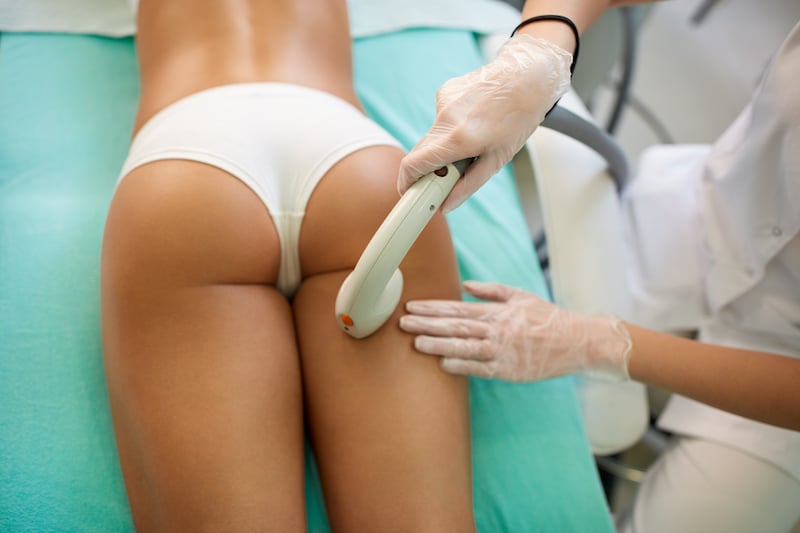
It would be more accurate to speak of lasers, as several types exist, chosen according to the severity and pigmentation of the stretch marks and the patient’s skin type.
- Ablative fractional laser: designed for thicker skin affected by mature stretch marks. This laser works by “destroying” layers of skin, forcing it to regenerate. The healing process takes between 3 and 10 days and is accompanied by redness and scabbing. The technique is relatively aggressive and is not recommended for sensitive skin or delicate areas.
- Non-ablative fractional laser: less aggressive than the previous option, this laser technique targets the dermis directly without damaging the epidermis. It works by heating the deeper layers of the skin to create micro-coagulation and stimulate the production of new elastic fibres.
- Vascular laser: this approach uses pulsed light directed at the stretch marks to reduce their colouration. It is primarily suited to patients with recent, still-pigmented stretch marks.
Laser-based techniques require at least 5 sessions to demonstrate effectiveness. Each session costs between €150 and €300. Between sessions, healing can take several weeks, making laser stretch mark treatment a lengthy process.
5- LED lamp
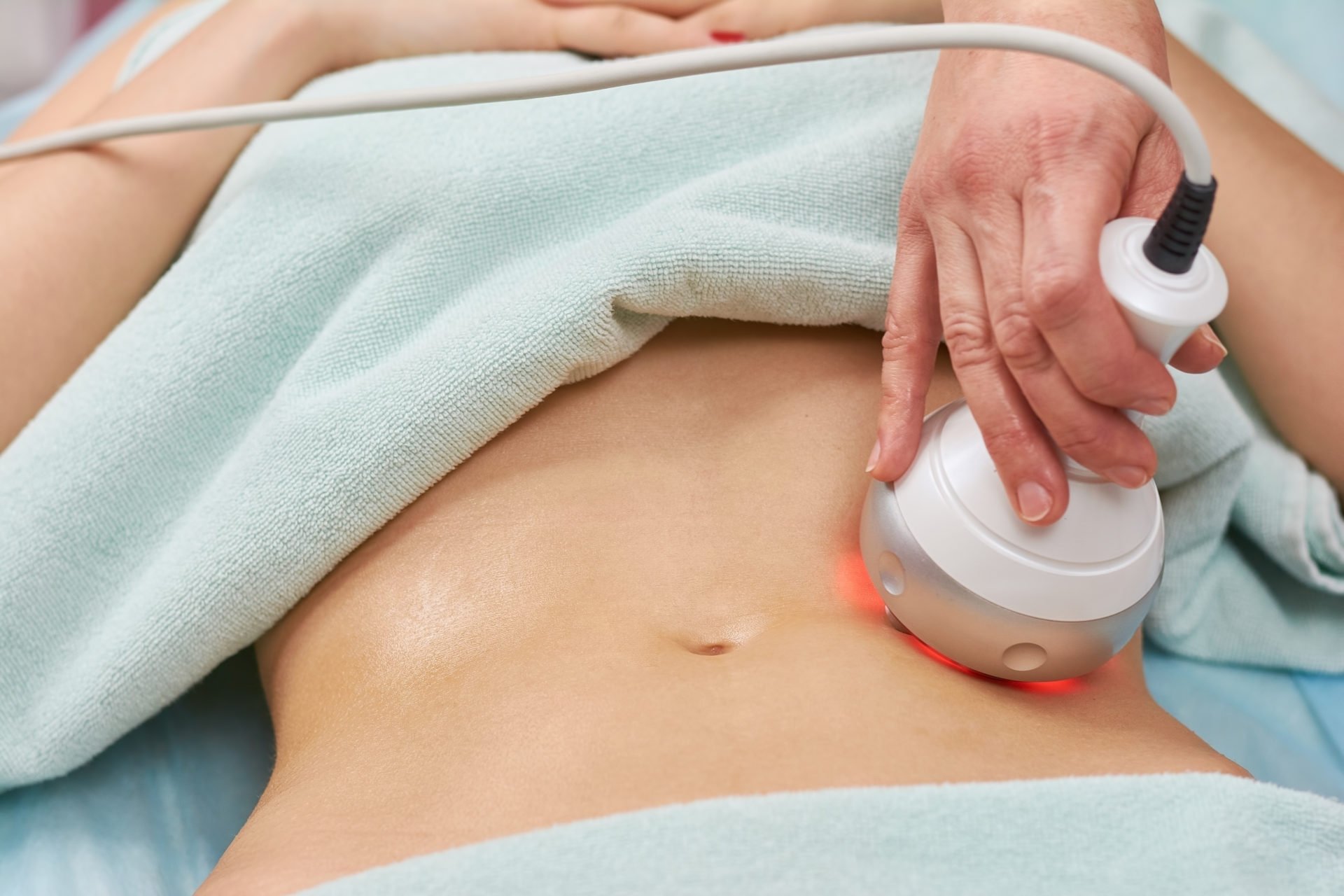
Luminostimulation, light therapy, LED photomodulation and LED lamp all describe the same procedure: stimulating the deeper layers of the skin using light. A red light is directed onto the stretch-mark-affected area. This stimulates collagen and elastin production and improves blood circulation, resulting in an overall improvement in skin quality. Results vary depending on the maturity of the stretch marks: excellent on recent stretch marks, with approximately 50% reduction in the appearance of white stretch marks. A minimum of 3 to 5 sessions is needed to see initial results, and 8 to 10 for a clear improvement in skin appearance. Each session lasts approximately 30 to 40 minutes and the procedure is completely painless. The cost is around €100 per session.
6- Radiofrequency
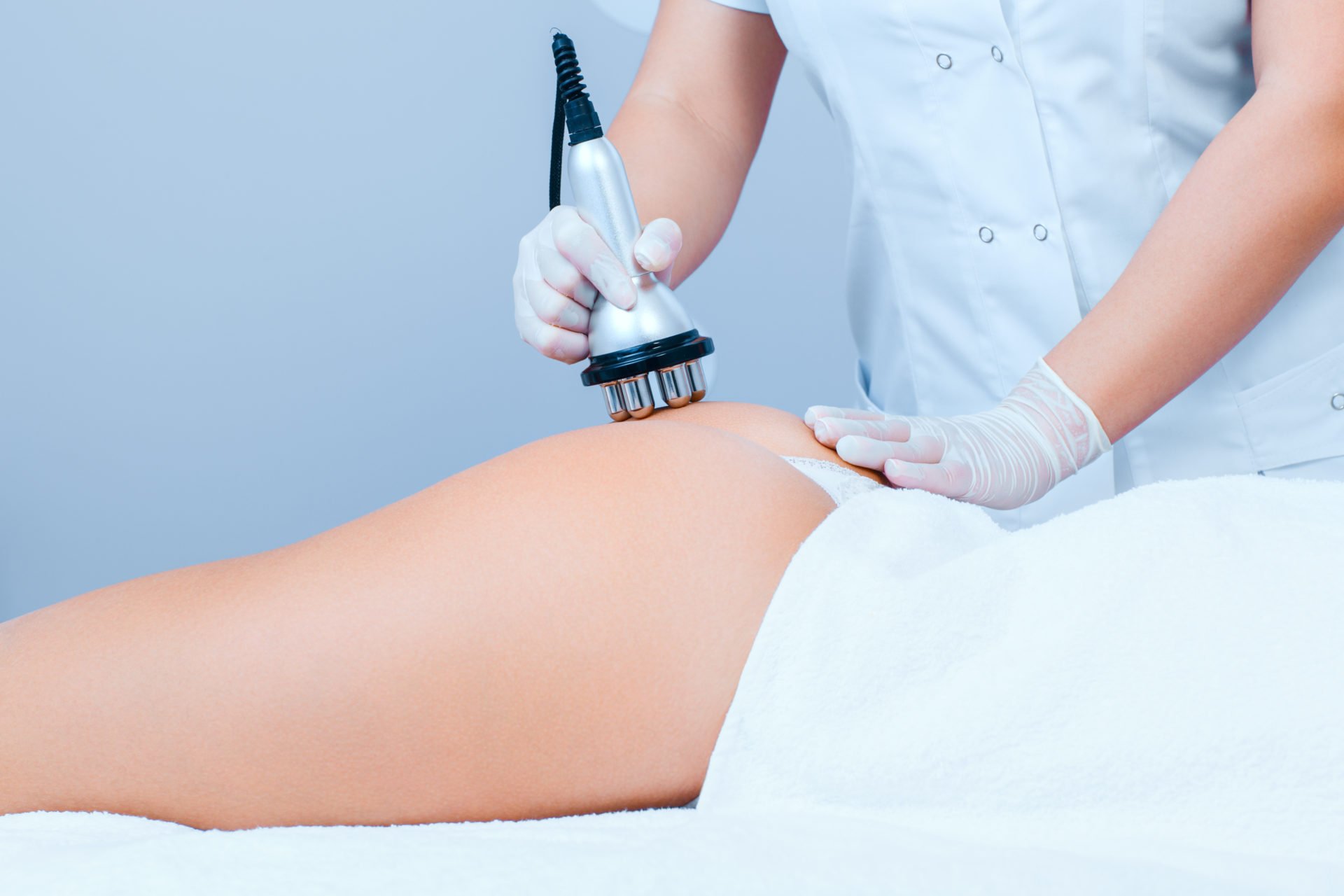
Radiofrequency works by delivering a very high-frequency electromagnetic pulse through the skin. This pulse is immediately converted into heat: reaching 39 to 42o degrees at the level of the epidermis, and 60 to 65o degrees at the level of the dermis. The heat causes the existing elastic network to contract and prompts fibroblasts to produce new collagen and elastin fibres. A radiofrequency session lasts approximately half an hour and the technique is completely painless. To achieve a noticeable reduction in stretch marks, a minimum of 6 to 8 sessions is required, spaced two weeks apart. In terms of cost, prices range from €175 to €300 per session.
7- Peeling
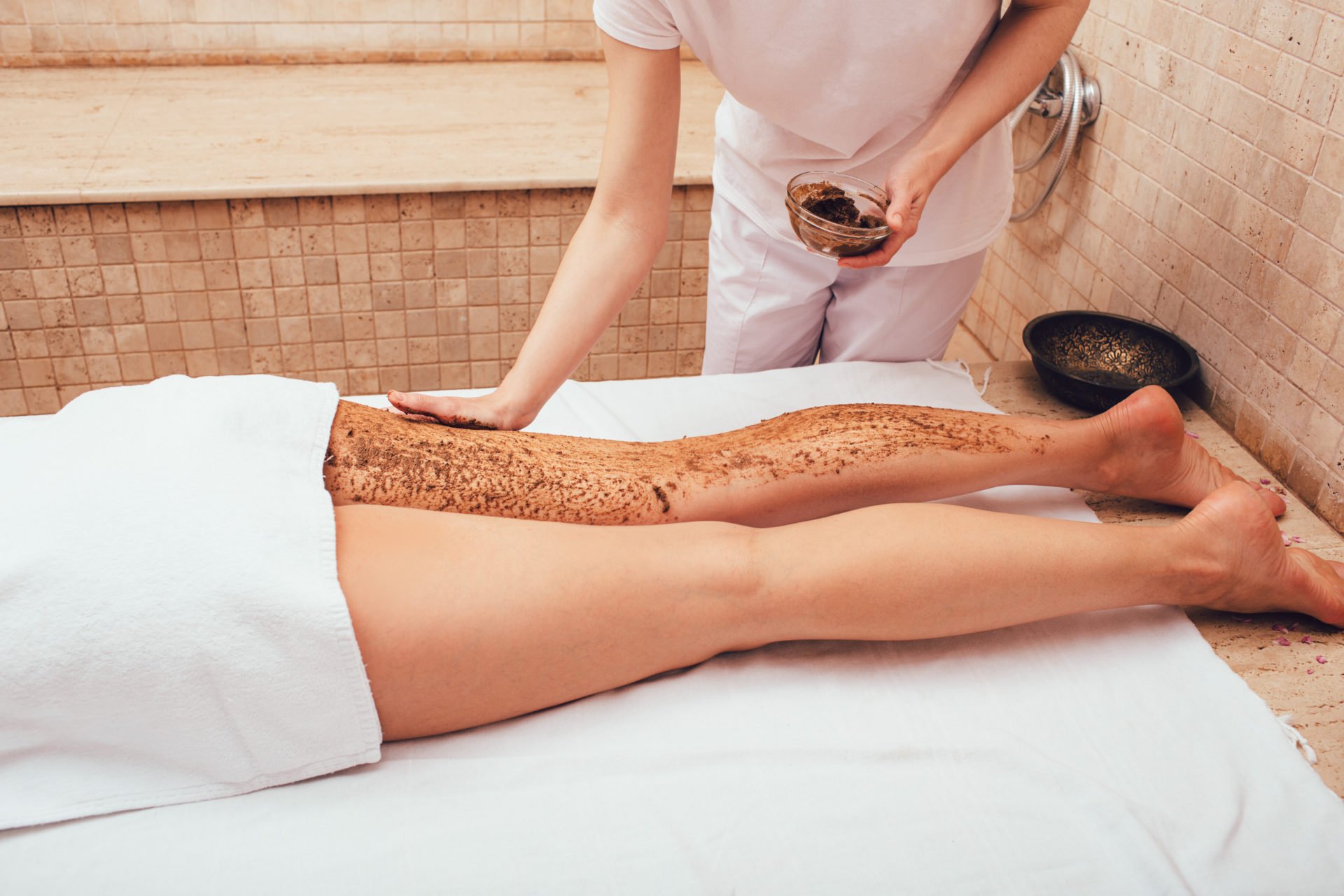
There are in fact two types of peeling used to treat stretch marks: mechanical peeling, or dermabrasion, and chemical peeling, which is more aggressive. These peels can be mild, medium or deep — a superficial peel has no effect on stretch marks whatsoever.
- Mechanical peeling: traditional dermabrasion has largely been replaced by microdermabrasion, which is easier to manage for both practitioner and patient. The principle, however, remains the same: the skin is “sanded down” to trigger regeneration. The treatment is mildly uncomfortable and is therefore performed under local anaesthesia. It lasts approximately 30 to 45 minutes.
- Chemical peeling: this involves applying an active mask made from various more or less abrasive chemical substances to the skin. The exfoliation caused by the chemical abrasion allows the skin to regenerate. A session lasts approximately 30 minutes and requires close medical supervision. Depending on the intensity of the peel, aftereffects can be more or less uncomfortable (swelling and burning sensations, followed by scabbing).
Peeling treatments generally require several spaced sessions, and their effectiveness is variable and not long-lasting. Costs also vary depending on the technique, the intensity of the peel and the area being treated, ranging from €150 to €700.
Stretch mark surgery: the one available procedure
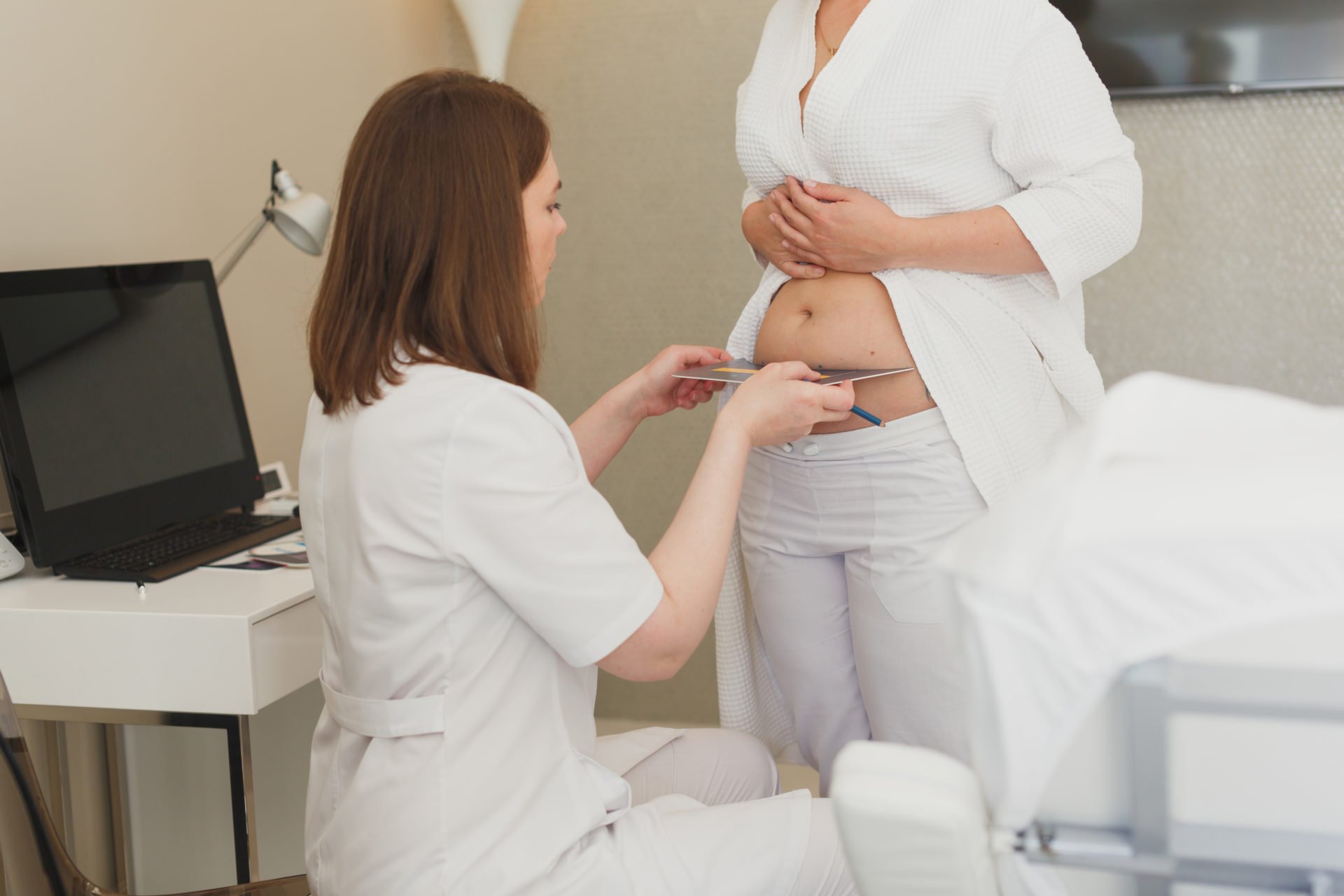
The techniques described above are not surgical procedures. They are non-invasive and do not involve an operation. That said, it is possible to undergo surgery for stretch marks on the abdomen — commonly known as abdominoplasty — which can eliminate them entirely. However, stretch mark surgery is not suitable for everyone and is only performed under specific conditions:
- The stretch marks must be associated with significant skin laxity.
- The area must present a substantial excess of skin.
Stretch mark surgery is therefore primarily considered for the abdomen (following a pregnancy or significant weight loss): this is referred to as dermolipectomy, abdominoplasty or tummy tuck. In most cases, eliminating stretch marks is not the patient’s primary motivation — rather, it is the removal of excess, sagging skin around the abdomen that fails to tighten despite diet and lifestyle changes.
Plastic surgery for stretch marks is not a decision to be taken lightly. It involves:
- A thorough consultation with the surgeon
- An operation under general anaesthesia
- Several days of hospitalisation
- A significant recovery period, both in terms of pain and aftercare
- Residual scarring
- A significant cost (at least €3,000), often not covered by national health insurance (as it is a cosmetic procedure).
It is therefore only suitable for a limited number of patients and is unlikely to be the ideal solution for permanently getting rid of stretch marks.