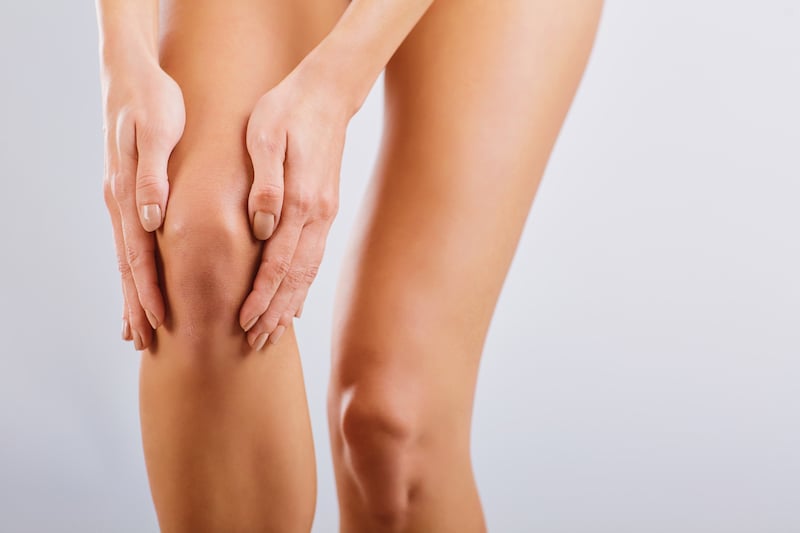
When we talk about cellulite, we usually think of the buttocks, thighs or abdomen… Yet orange-peel skin can also appear on other targeted areas of the body, such as the knees. Knee cellulite affects women predominantly. It can be aqueous, adipose or fibrous in origin. To tackle it effectively, you first need to identify the type of cellulite so you can apply the right solutions.
Sommaire
How does knee cellulite form?
Cellulite results from a build-up of fat cells, or adipocytes, located in the hypodermis (the superficial layer of the skin). When these adipocytes multiply and increase in volume, they distort the skin’s surface, giving it a bumpy appearance.
Many women feel self-conscious about their knees when cellulite is present, finding them too rounded and unsightly. Knee cellulite is primarily linked to water retention and the accumulation of fatty deposits.
This excess of fat cells leads to poor blood and lymphatic circulation. Water drains poorly and toxins are not flushed from the body. Adipose tissue swells and creates cellulite above the knees.
Why does cellulite settle on the knees?
Knee cellulite is seen predominantly in women, as many factors predispose them to it. Unlike men, who tend to develop cellulite mainly on the upper body, women are more affected in the lower body.
Female body shape plays a real role here. Women typically have a pear-shaped silhouette. They gain weight from the bottom up because they are more prone to storing fat in the lower body.
The knee is the joint that bears the most body weight, making it subject to a “spillover” effect of fatty deposits. The knee joint is made up of cartilaginous structures surrounded by fat cells to facilitate movement. This explains why women can develop cellulite above the knee.
This often results in a sensation of heavy, swollen legs. That is why knee cellulite is generally accompanied by cellulite on the thighs and swollen ankles.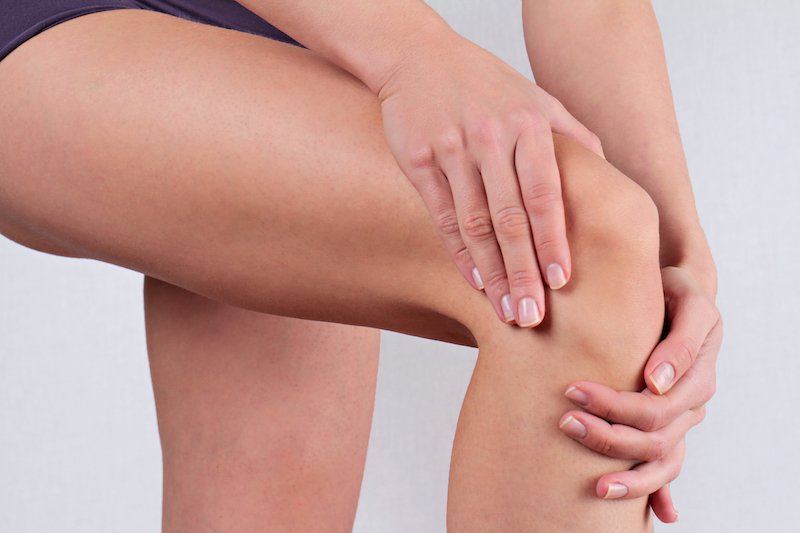
What types of cellulite can appear on the knees?
There are three main types of cellulite that can appear on your body:
- Aqueous cellulite: when your cellulite is linked to water retention, it is aqueous in type. It manifests as poor blood circulation and is common in slender individuals.
- Adipose cellulite: if you struggle with excess weight, your cellulite is likely adipose in type. Its origin is often both genetic and dietary.
- Fibrous cellulite: is your knee cellulite long-standing and deeply embedded? You may have fibrous cellulite. This form is tender to the touch and harder to shift — but not impossible.
Potential causes of knee cellulite
Hormones
A woman’s body goes through several periods of hormonal imbalance throughout her life: puberty, pregnancy and menopause. During these phases, the body alternates between storing and releasing fat, which can ultimately promote weight gain and the appearance of cellulite on various parts of the body, including the knees.
Lifestyle habits
Lifestyle is the primary cause of knee cellulite. Diet and physical activity are the two key factors that influence metabolism. It is therefore important to limit foods that are too fatty, too sweet or too salty, as these contribute to the build-up of fat cells and water retention. A lack of physical activity, a sedentary lifestyle, prolonged sitting or standing, and stress are all aggravating factors. As a result, certain occupations can increase the likelihood of developing knee cellulite.
Poor blood circulation
Poor blood and lymphatic circulation linked to water retention is closely associated with the formation of knee cellulite. This phenomenon, which causes a build-up of toxins, is directly connected to the appearance of dimpling. To address it, staying active and drinking enough water are essential.
Genetics
For some women, genetic factors play a role in the development of knee cellulite. The distribution of fat cells and their volume can sometimes be inherited. So too can the predisposition to lose them quickly — or not. That said, this does not make knee cellulite an irreversible condition.
Solutions to eliminate knee cellulite
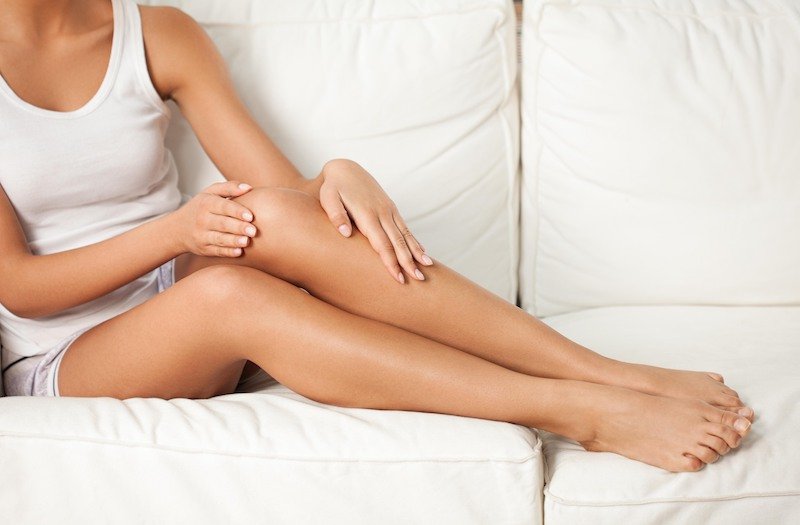
Anti-cellulite massages
Anti-cellulite massages are genuinely effective at combating fat storage. They stimulate blood and lymphatic circulation. Once you have identified your cellulite type, you can choose the most suitable massage technique.
The pinch-and-roll technique on the knees and lymphatic drainage are the two most effective methods against cellulite. Performing a pinch-and-roll massage on yourself is not always straightforward, which is why a small anti-cellulite cupping device is recommended. The massage becomes much easier, more precise and above all more effective. For outstanding results on cellulite, apply a massage oil beforehand to help the cup glide smoothly over this area where cellulite can be particularly stubborn.

Adopting healthy eating habits
The best way to reduce knee cellulite is to follow a healthy, balanced diet. Cut back on salt-rich foods that promote water retention. Limit red meat, processed meats, beer and overly fatty or sugary foods. Instead, favour foods rich in fibre, iron, antioxidants and potassium, which support fat elimination.
Exercising regularly
You can start by making small changes to your daily routine: walk to the bus or metro stop, take the stairs instead of the lift, for example.
To reduce cellulite around the knees, focus on sports that engage the legs, calves, knees, quadriceps and adductors. Cycling, swimming and fitness exercises (lunges, squats, deadlifts, etc.) are all excellent choices. These movements engage the muscles fully, promote internal drainage and help break down cellulite.
Medical treatments to eliminate knee cellulite
Several aesthetic medicine techniques are now available to target cellulite on the knees:
Laser
The laser is particularly well-suited to treating knee cellulite. Its infrared rays work by heating and melting fat. This targeted action on layers of fatty deposits helps reduce knee cellulite by warming the fat clusters. Results are typically visible after two months.
Mesotherapy
Mesotherapy is a common medical procedure in sports medicine that involves performing micro-injections just beneath the surface of the skin. Its action targets blood and lymphatic circulation more than fat directly, though the ultimate goal is to eliminate it. To learn more about mesotherapy as a cellulite treatment, read our dedicated article on the subject.
Liposuction
Liposuction is performed by a cosmetic surgeon who inserts a small cannula beneath the skin to suction out the fatty deposits hidden in the skin’s folds. Small incisions are made to introduce the tubes used to remove the fat.
Cryolipolysis
This is a more recent cold-based technique for tackling knee cellulite. It targets fatty deposits and breaks them down using tiny crystallising probes. Although it can be uncomfortable and costly, cryolipolysis is highly effective at reducing orange-peel skin on the knee in a single session.