
That stubborn cellulite… No matter how hard you try to get rid of it, it always seems to come back. That’s just part of life for most women! But perhaps the key lies in using the right products. Some vegetable oils are particularly effective against cellulite, thanks to their properties, texture and active ingredients. Here is your guide to the 10 best anti-cellulite vegetable oils!
Sommaire
What is cellulite?
Cellulite, or superficial lipodystrophy, is an extremely common phenomenon affecting around 9 in 10 women at some point in their lives. It results from an abnormal accumulation of fat, water and toxins in the deeper layers of the skin, giving the epidermis a bumpy appearance commonly known as orange peel skin.
It is caused by a combination of factors:
- Hypertrophy (and sometimes multiplication) of adipocytes — the fat cells responsible for storing dietary fats as an energy source.
- Porosity and compression of blood and lymphatic vessels, leading to fluid infiltration in the tissues (the well-known water retention) and poor elimination of metabolic waste.
- Sometimes, connective tissue disruption, resulting in fibrosis.
Cellulite is triggered by various factors — which can combine: hormonal activity, poor lifestyle habits, veno-lymphatic insufficiency, genetics, age, consumption of toxins (alcohol, tobacco) and certain medications.
It is also worth noting that there are different types of cellulite:
- Adipose cellulite, caused by excessive fat storage in adipose lobules (often the result of a sedentary lifestyle combined with a high-calorie diet). It is painless, soft, and more or less visible to the naked eye.
- Aqueous cellulite, often linked to veno-lymphatic insufficiency causing water retention. It has a puffy, oedematous appearance and feels soft to the touch. It is sometimes accompanied by symptoms of heavy legs and unexplained bruising.
- Fibrous cellulite, deeply embedded, results from fibrosis (stiffening of elastic fibres) combined with adipocyte hypertrophy. It is highly visible, tender to the touch and particularly stubborn.
Which vegetable oils should you choose to treat cellulite?
Vegetable oil no1: castor oil
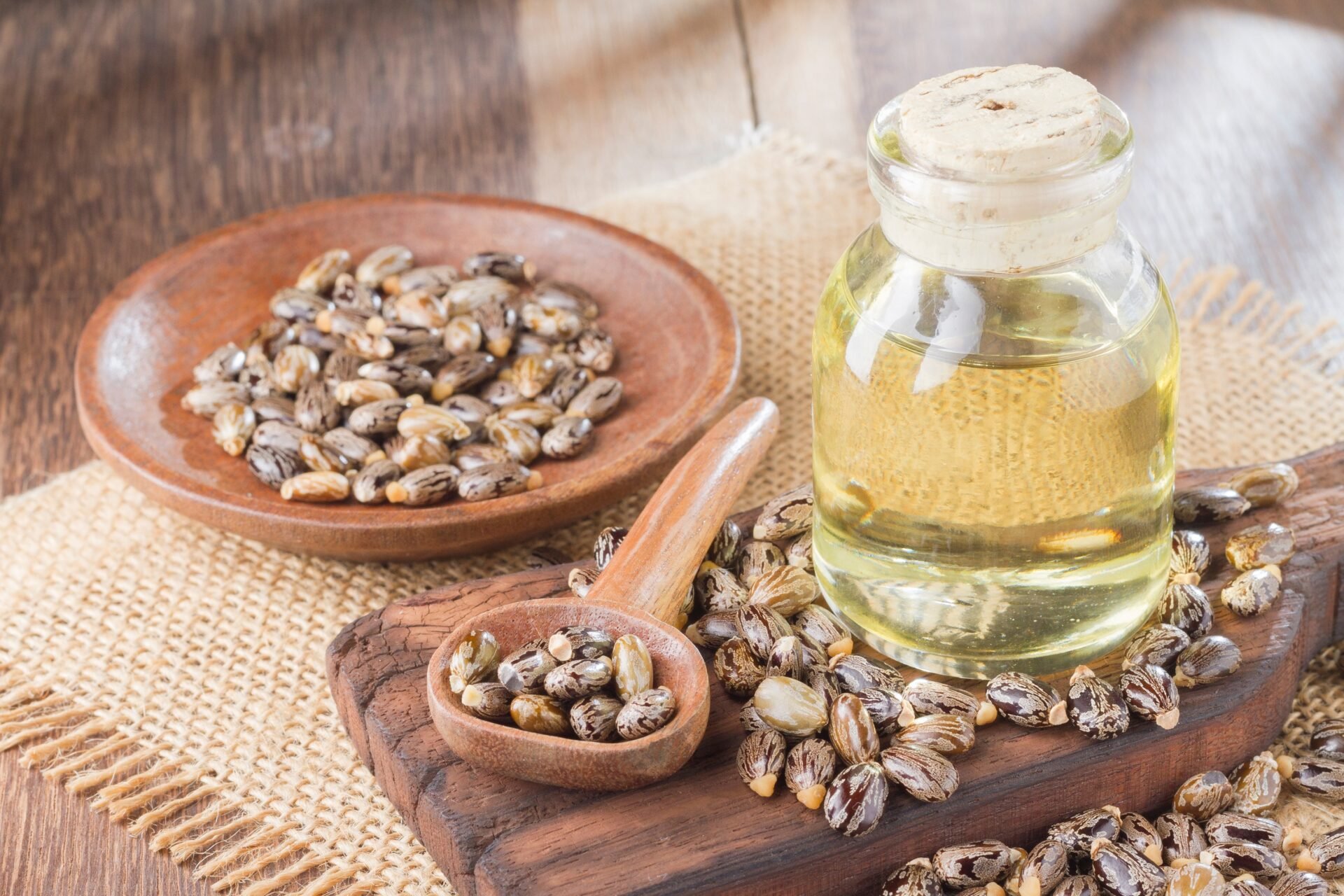
A vegetable oil used for centuries in poultices to relieve joint and muscle pain, as well as painful periods. Anti-inflammatory and supportive of healthy blood circulation, it should never be ingested. Applied to the skin, however, it can be highly effective against cellulite: its venotonic properties help stimulate venous circulation and lymphatic flow. Its anti-inflammatory action may also help ease the discomfort associated with fibrosis. Castor oil is therefore a particularly interesting option for treating aqueous and fibrous cellulite.
Vegetable oil no2: borage oil
Cold-pressed from borage seeds, this oil is highly regarded for its circulatory benefits. Borage is also known for its ability to help regulate cholesterol levels. Its well-balanced concentration of omega-6 fatty acids gives it regenerating and repairing properties, helping to maintain the integrity of the subcutaneous elastic network. Borage oil may therefore be recommended for all types of cellulite.
Vegetable oil no3: calendula macerated oil
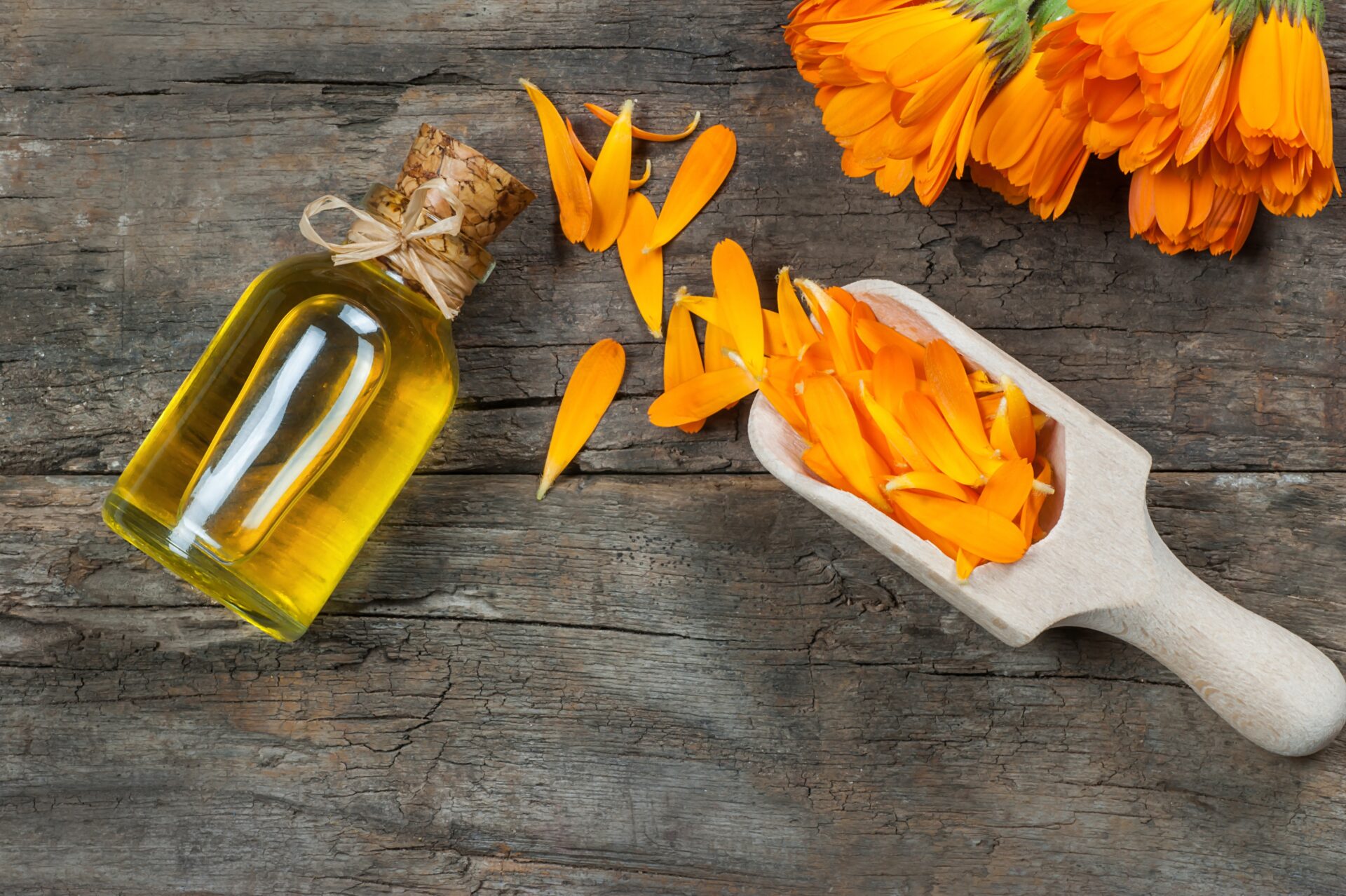
Strictly speaking, this is a macerated oil rather than a vegetable oil, as calendula is a flower. Traditionally, calendula flowers — prized for their many properties — are macerated in a natural vegetable oil (such as sunflower or sweet almond) to extract their benefits. Rich in anti-inflammatory actives, calendula has been used for centuries to soothe oedemas and congestion. Calendula macerated oil is therefore well suited for use on cellulite, helping to calm its inflammatory and congested nature. It is suitable for all cellulite types, but is particularly effective on aqueous cellulite.
Vegetable oil no4: Touloucouna oil
Pressed from the seeds of the Touloucouna fruit — a tree native to Africa — this vegetable oil is used in body and hair care. Its soothing, nourishing and anti-inflammatory properties make it a standout choice. It has a strong reputation for being particularly effective on cellulite: it is said to ease the discomfort of deeply embedded cellulite while helping to reduce subcutaneous inflammation. A rare find in Europe, it is well worth seeking out for cellulite treatment.
Vegetable oil no5: macadamia oil
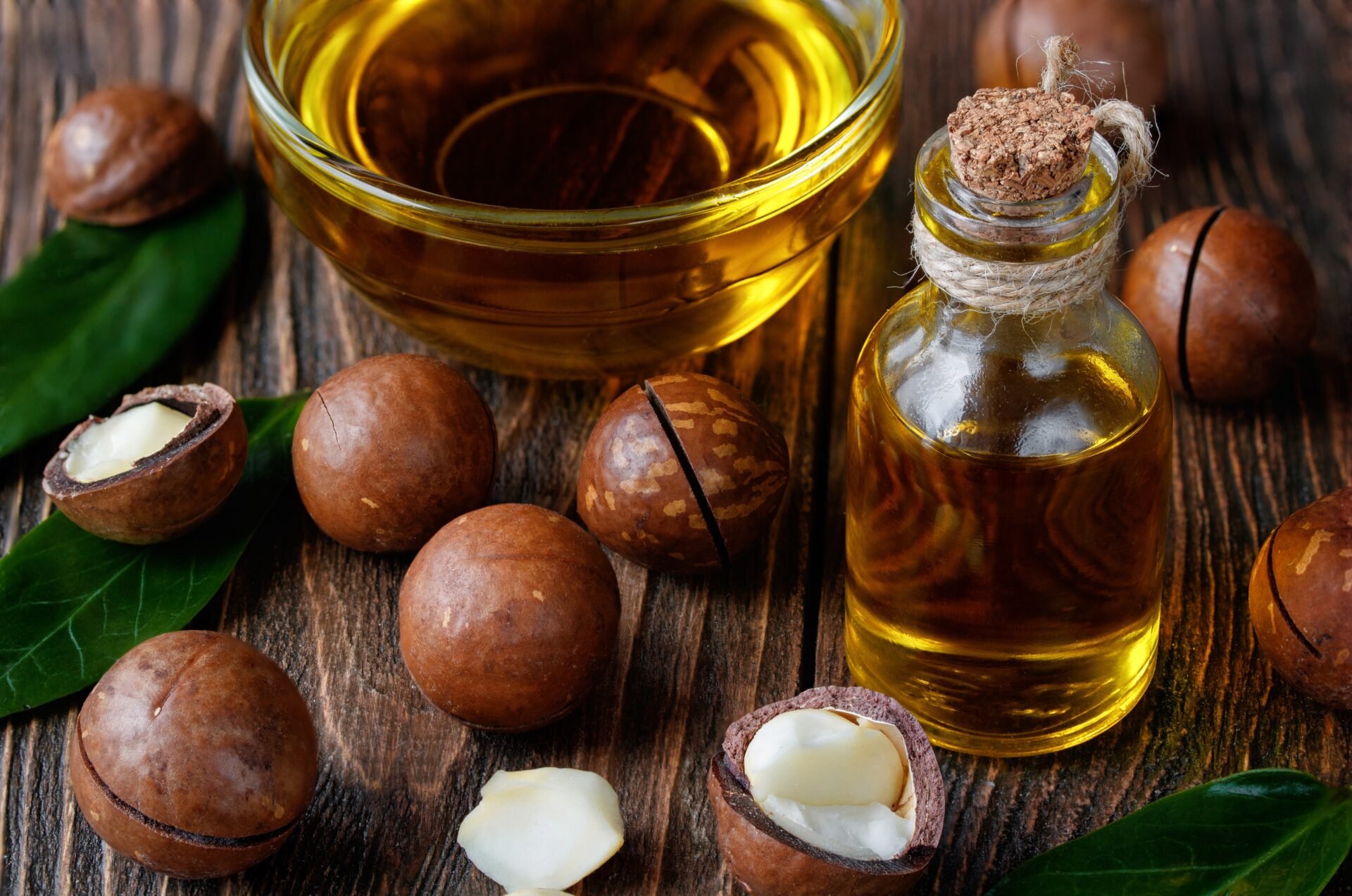
Macadamia oil, with its high penetrating power, stability and wealth of beneficial properties, is a valuable ally in cellulite treatment. Rich in vitamin E, it helps protect against subcutaneous inflammation. Its unique composition — a synergy of two fatty acids — keeps skin supple and radiant while toning the veno-lymphatic network. It is therefore an excellent choice for targeting cellulite.
Vegetable oil no6: Andiroba oil
A rare and precious vegetable oil, cold-pressed from the nuts of the Andiroba tree, native to the Amazon. This oil is renowned for its high content of triterpenoids — powerful antioxidant and anti-inflammatory actives. Traditionally used in sports massage for muscle recovery, it is also a valuable option in addressing cellulite, helping to reduce its dimpled appearance.
Vegetable oil no7: sesame oil
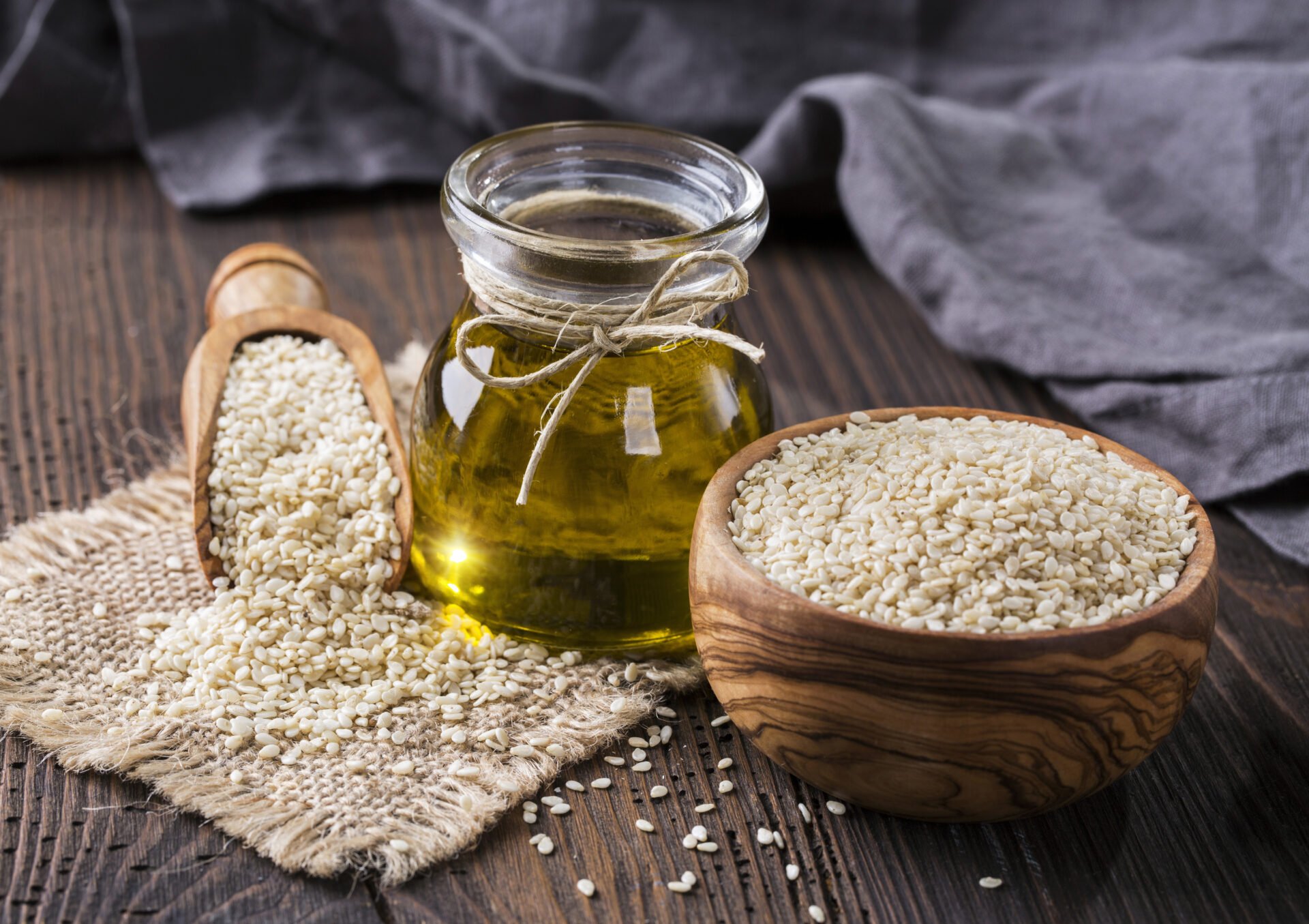
The main advantage of sesame vegetable oil when it comes to cellulite is undoubtedly its texture. Fluid and lightweight, it is particularly well suited to anti-cellulite massages such as the pinch-and-roll technique. It glides effortlessly over the skin while nourishing it, making it easy to perform the characteristic pinching and rolling movements. Its pleasant scent and high antioxidant content make it a true beauty essential!
Vegetable oil no9: Chaulmoogra oil
Another rare oil, cold-pressed from the seeds of the Chaulmoogra fruit, a tree native to Asia. Historically, this vegetable oil was used to treat leprosy, and Ayurvedic medicine still regards it as a natural remedy. A truly exceptional oil, it can be used among other things in the treatment of all types of cellulite. It effectively combats the dimpled appearance of cellulite, leaving skin smoother and firmer.
Vegetable oil no10: Our Anti-Cellulite Massage Oil
How could we compile a list of the best anti-cellulite vegetable oils without mentioning our own? A blend of sunflower oil, sweet almond oil, and grapefruit and ivy extracts, our Anti-Cellulite Massage Oil is not only ideal for the pinch-and-roll technique, but also acts directly on microcirculation and dimpling. Grapefruit, with its lipolytic properties, and draining ivy work in a targeted way on the root causes of cellulite, while the oil’s fine, gliding texture makes massage effortless — with or without a cupping tool (like ours!).

How to choose the right vegetable oil?
A quick clarification, as the two are often confused: a natural vegetable oil is not an essential oil. A vegetable oil is obtained by pressing a seed or kernel, whereas an essential oil is a plant essence extracted through distillation (a process that captures the volatile aromatic compounds of a plant). Another key difference: vegetable oils can be applied directly to the skin, while essential oils cannot. That said, vegetable oils make an excellent carrier for essential oils, which dissolve into them very well.
When choosing a natural vegetable oil, it is best to opt for products that are cold-pressed, guaranteed 100% natural, and ideally organic and fairly traded — particularly for so-called “rare” oils.