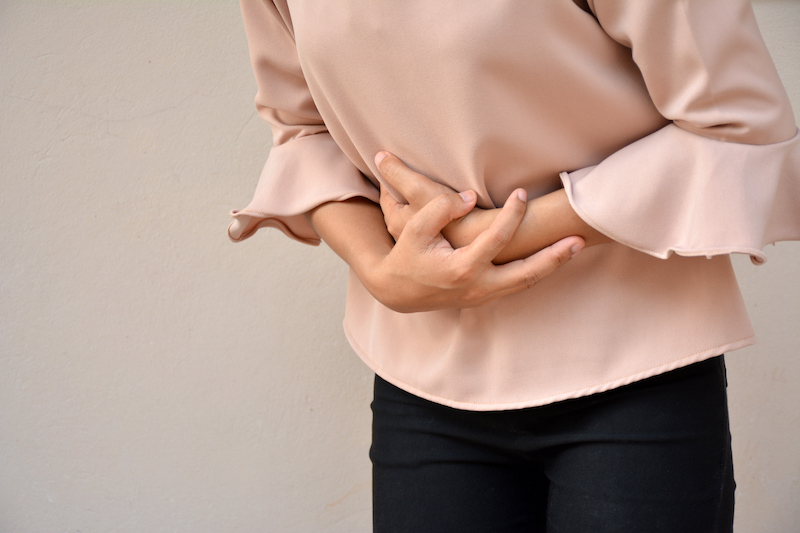
Bloating refers to a feeling of abdominal discomfort that can be both embarrassing and painful. It is recognised as one of the most common digestive symptoms. Science points to several possible explanations for abdominal bloating. Here is an overview of the most frequent causes, what lies behind them, and the solutions available to reduce bloating.
Sommaire
What is bloating?
We talk about bloating because the sensation generally refers to the presence of air in the stomach or gas in the digestive tract. It is in fact a digestive discomfort that can stem from poor eating habits, inadequate digestion of food, or stress, for example. It causes mild to intense discomfort and abdominal pain. Abdominal bloating can quickly become a nuisance in everyday life.
People who suffer from stomach bloating experience abdominal discomfort and a constant urge to burp or pass gas. It is triggered by foods that ferment because the body struggles to digest them. Some cases of bloating may be accompanied by stomach pain (1). With a little patience and the right care, you can deflate your stomach fairly quickly.
Symptoms of bloating
The feelings of discomfort can be felt in the stomach area, or slightly lower towards the small intestine and large colon, or on the sides. These abdominal issues, which affect twice as many women as men, can sometimes last several hours without any real relief.
The main symptoms of bloating are:
- abdominal pain
- heartburn
- a swollen stomach
- excessive flatulence or gas
- frequent burping
- constipation and/or diarrhoea
- gurgling or intestinal noises
Bloating is most often benign and temporary. However, if symptoms persist or worsen, a visit to your doctor will help identify the root cause and recommend appropriate treatment.
A food allergy or intolerance to gluten or lactose, for example, could explain these symptoms.
What causes bloating?
 Bloating often occurs after a meal, when air is swallowed. This can be explained by eating too quickly or by consuming substances that promote bloating, such as fizzy drinks or fatty foods.
However, bloating does not only happen after an overly large meal (2). This build-up of air in the stomach is also due to foods that have not been fully or properly broken down. The resulting dysfunction in the digestive tract creates gas that accumulates in the stomach and intestines, turning the abdomen into a pressurised balloon.
The causes of bloating can therefore include:
Stress and anxiety
Our intestine is an organ lined with nerve cells that are highly sensitive to anxiety caused by stress. Its functioning is easily disrupted by our mood changes. When we go through a period of intense stress, the gastrointestinal tract does not receive sufficient blood flow, which slows down digestion. And slow digestion is inefficient digestion. Food residues ferment in the intestine and produce flatulence. During these moments of anxiety, we tend to consume more alcohol or chew gum, neither of which is good for the health of the digestive system. The best approach is to find effective ways to manage stress through relaxation or physical exercise.
Certain foods that cause bloating
Gastroenterologists and nutritionists all agree that some foods are easier to digest than others. Certain vegetables can cause stomach bloating, such as cauliflower, Brussels sprouts, white beans and other legumes. On the fruit side, cherries, pears and dates are among the culprits. These fruits have a high fructose content, a sugar that is not always well digested. The lactose found in dairy products is also not always well tolerated.
Eating too quickly
When eating too fast, we often swallow air. This air ends up in the abdomen, causing the stomach to swell and creating a feeling of discomfort.
Fizzy drinks
Fizzy drinks may seem very refreshing, but the carbon dioxide they contain is a source of bloating. The bubbles in these drinks expand and cause the stomach to swell.
Indigestion
Indigestion involves discomfort or pain in the stomach caused by overeating. It can also occur following a minor infection or after taking medication that irritates the stomach lining.
Constipation
Constipation is often accompanied by bloating. It can be caused by abdominal disorders, vitamin and fibre deficiencies, dehydration, food intolerance, pregnancy, and more.
Water retention
Water retention can cause the stomach to swell if it affects the stomach or intestines, and manifests as oedema. In cases of water retention, bloating may be triggered by excessive consumption of salty foods.
Chewing gum
Chewing gum should also be avoided, as it puts the digestive system to work without any food to process. The result is an accumulation of air in the digestive tract.
Underlying conditions
Finally, in rare cases, abdominal bloating may be a consequence of chronic intestinal disorders or more serious conditions such as endometriosis, Crohn’s disease, gallstones, or stomach or intestinal cancer…. (3) In such cases, please consult your doctor.
What can you do about bloating?

Eat the right foods
Once bloating has set in, it is best to favour foods that help expel gas. The list of recommended options is long: artichoke, lettuce, fennel, pineapple, melon, strawberry, asparagus, kiwi, avocado, grapes, raspberries, and more. For starchy foods, quinoa, brown rice, rye and bulgur wheat are all good choices.
Avoid fatty foods, sugary foods and sweeteners
Avoid fatty dishes, very sugary foods or those containing sweeteners. These artificial substances with sweetening properties contain fructose which, combined with fermentable foods, can slow digestion and cause flatulence.
Try tea
After a meal, you can opt for a cup of tea to soothe your stomach and ease discomfort. Drinking tea can help combat bloating naturally by stimulating digestion. Have your tea 30 minutes after eating for the best digestive effect.
To effectively reduce bloating, try the Cellublue Slimming Tea which is 100% natural. It contains ingredients recognised for supporting digestion, such as Meadowsweet, which supports healthy transit and helps limit intestinal bloating. Peppermint, meanwhile, acts on digestive discomfort and helps ease it so you feel more comfortable.
Adopt good eating habits
Eating habits and the way we eat directly influence digestion. It is advisable to spend at least around twenty minutes at the table and to chew calmly each mouthful while savouring the flavours. Have fruit for dessert or half an hour before your meal to support digestion. Avoid chatting too much at the table — swallowing large amounts of air causes aerophagia. Ideally, eat in a calm and relaxed atmosphere.
Try abdominal massage
Massaging the abdomen can help reduce bloating. Research findings have shown that 15 minutes of stomach massage twice a day for 3 days can be effective against bloating. It appears to improve feelings of depression, stress, anxiety and the perception of abdominal bloating (4).
Stay active
A body that does not move enough tends to have sluggish intestines. A sedentary lifestyle slows down transit. Make sure to engage in regular physical activity to stimulate your digestion and prevent bloating.
Sources and references
(1) Agrawal, A. and Whorwell, P. J. (2008), Review article: abdominal bloating and distension in functional gastrointestinal disorders – epidemiology and exploration of possible mechanisms. Alimentary Pharmacology & Therapeutics, 27: 2-10. doi:10.1111/j.1365-2036.2007.03549.x
(2), et al, Prevalence and risk factors for abdominal bloating and visible distention: a population-based study, gut.bmj.com/content/57/6/756
(3) Iovino P, Bucci C, Tremolaterra F, Santonicola A, Chiarioni G. Bloating and functional gastro-intestinal disorders: Where are we and where are we going? World J Gastroenterol 2014; 20(39): 14407-14419 doi: 10.3748/wjg.v20.i39.14407
(4) Wang, T. , Wang, H. , Yang, T. , Jane, S. , Huang, T. , Wang, C. and Lin, Y. (2015), The Effect of Abdominal Massage in Reducing Malignant Ascites Symptoms. Res Nurs Health, 38: 51-59. doi:10.1002/nur.21637