Looking for natural solutions? Some plants fit easily into a skincare routine, as a massage oil or an infusion. Here are the best-known ones (ivy, dandelion, horsetail and nettle), how to use them, and how to pair them with your CelluBlue Cup to tackle the appearance of cellulite, alongside your usual habits to combat water retention.
Ivy leaves
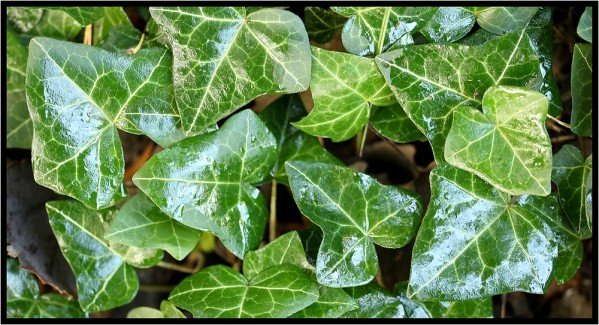
Ivy is often associated with anti-cellulite massage. How can you use this plant to care for skin prone to cellulite? Dilute one tablespoon of dried leaves in a cup of olive oil, then let it macerate for 12 hours. You can then apply this mixture to your cellulite.
Dandelion
Dandelion leaves contain potassium. To prepare an infusion: add 100 grams of dandelion leaves to a litre of water, then let it boil for 15 minutes. This infusion should be drunk cold! Ask your pharmacist for advice before drinking it regularly, especially if you are taking any medication.
Horsetail
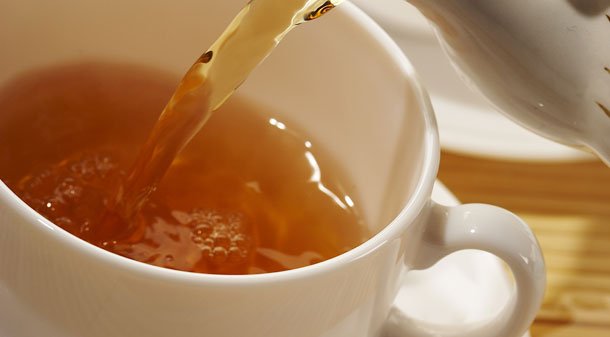
Horsetail often crops up in old wives’ remedies for cellulite, but it’s a plant you shouldn’t overdo! You can prepare the same type of infusion as for dandelion, with one tablespoon of horsetail leaves. Let the preparation rest and drink the infusion while it’s still warm, after checking with your pharmacist first.

The cupping tool that replicates pinching and rolling, 3 minutes per zone
- The professionals' technique, at home: you lift, glide, and release, and the tool grips the skin fold like a manual pinching and rolling
- Soft silicone that fits thighs, buttocks, stomach, and arms
- 3 minutes per zone, every day, always with a massage oil so the tool glides
Nettle, a plant with many uses
Nettle contains magnesium and is also found in some skincare for dimpled skin. It comes in different forms: capsules, poultices, creams, etc. You can also eat it, in a soup for example, or drink it as an infusion.
You will also come across meadowsweet and Centella asiatica, often found in cosmetics for cellulite-prone skin.
What about the CelluBlue Cup?
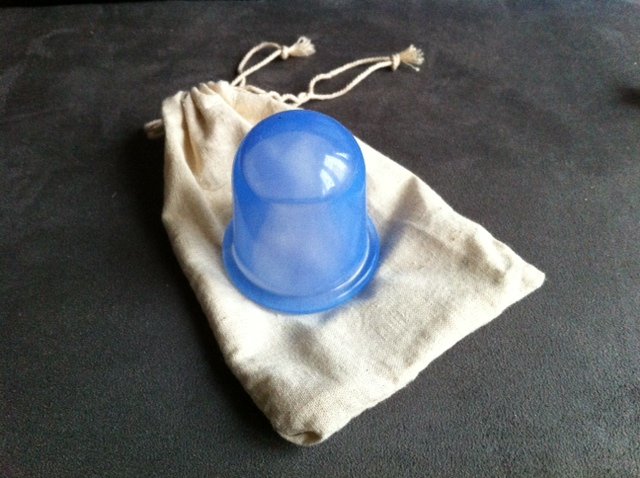
With some of these plants, you can prepare oils or creams that you can apply to the skin before placing your cup on it. This will complement the massage technique of your CelluBlue!
If you prefer to use plant-based poultices, apply them after using your CelluBlue Cup, and finish with a cold shower to rinse well. As for infusions, enjoy them in moderation, and ask your pharmacist or GP for advice if you are pregnant, breastfeeding or taking any medication. With this natural and economical routine, caring for your skin has never been easier!
Related articles
- Cellulite: Skincare, Massage and Diet in Everyday Life
- Water retention: fruits and plants, what you should know
- Cellublue, plants and herbal tea: a wellness routine
- Spirulina: What You Need to Know About This Microalga
- Balanced menu ideas: simple recipe examples
- Does gluten make cellulite worse?
Useful categories: Anti-Cellulite Diet.
 -10%
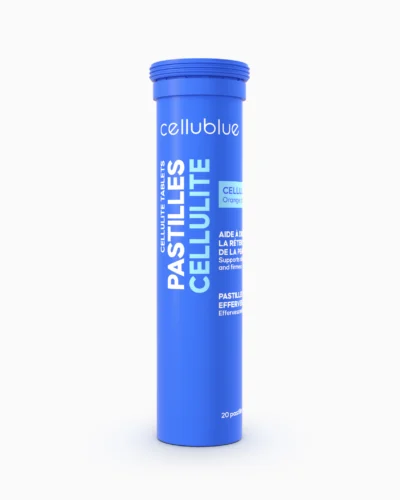
-10%Vitamins and plants, all in a glass of water
- Vitamin A contributes to the maintenance of normal skin, and vitamin E helps protect your cells from oxidative stress
- Nettle and artichoke complete the formula
- Vitamin C helps reduce tiredness, and selenium contributes to the maintenance of normal hair and nails

The scrub that leaves skin smooth and skin texture refined*
*User test on 21 volunteers over 4 weeks, based on participants' feedback.
- Olive & apricot kernels: these natural grains gently sweep away dead skin cells
- Caffeine & monoi scent, so your shower instantly smells like a holiday
- In the shower, two to three times a week, massaging your thighs, bottom and stomach