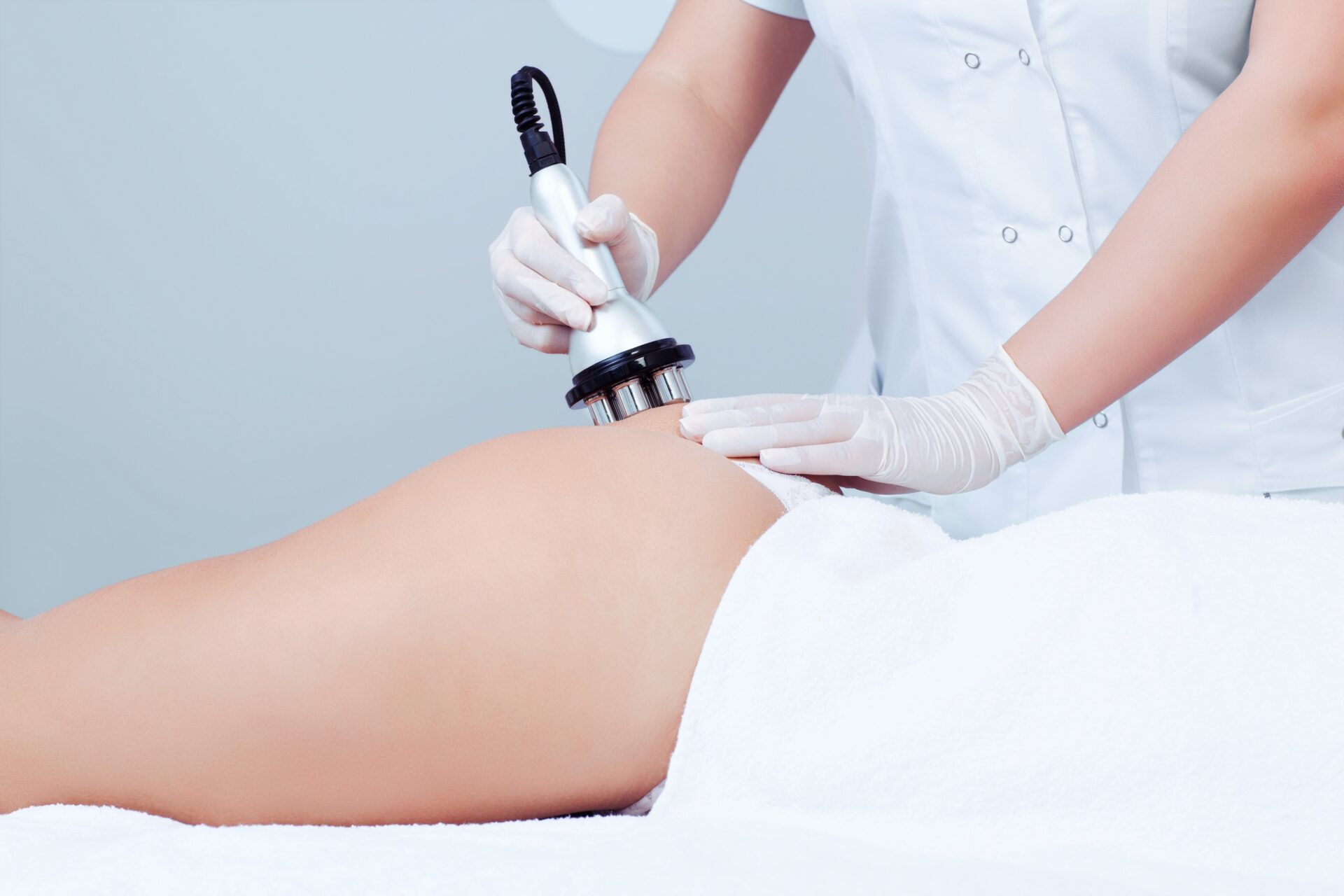
That stubborn cellulite just won’t budge… You eat well, you exercise regularly, and yet a few unsightly dimples persist on your thighs or buttocks. So you’re considering an anti-cellulite treatment. But you’ve heard these aesthetic treatments can be expensive… Read on to find out everything you need to know about anti-cellulite techniques, their prices, and what’s covered.
What is an anti-cellulite treatment?
1- Aesthetic medicine techniques
There are almost as many anti-cellulite treatments as there are months in the year! They are generally performed by a dermatologist, an aesthetic physician, or a plastic surgeon. However, some beauty clinics also offer anti-cellulite treatments. If you opt for a beauty clinic, make sure the practitioner is certified to carry out the treatment of your choice and that the equipment used meets current standards.
Among the best-known anti-cellulite treatments (and, for the vast majority, non-invasive), you’ll find:
- Treatment with shock waves : this involves delivering acoustic waves through the skin using a handheld device, to soften tissue, boost circulation, and stimulate the drainage of fat cells.
- Treatment with ultrasound : similar to the previous technique, it uses targeted ultrasound waves to liquefy the fat stored in subcutaneous adipose cells, thereby triggering lipolysis.
- Vacuum therapy (or suction therapy): a technique that uses localised suction on the skin via a suction cup to improve fluid circulation and drain fat cells. It draws inspiration from the pinch-and-roll massage technique.
- Treatment with radiofrequency : a non-invasive technique that uses electromagnetic waves to reduce fibrosis, encourage the production of new collagen fibres, and support lymphatic circulation.
- Treatment with laser : two techniques exist (endolipolysis and exolipolysis), both aimed at heating the fat inside adipocytes to facilitate its elimination and thereby reduce cellulite.
- Mesotherapy : an aesthetic technique that involves injecting a lipolytic solution into the mesoderm to stimulate microcirculation, reduce the density of adipose tissue, and boost collagen production.
- Cryotherapy : a cold-based therapy designed to trigger apoptosis in fat cells, thereby reducing the dimpled appearance of cellulite.
2- Other techniques
Other techniques also exist, though they tend to be more closely integrated into a fitness programme. These include the vibrating platform and electrostimulation, which are often used in physiotherapy practices as part of a rehabilitation programme.
Finally, classic anti-cellulite massages are another option worth considering. These include the traditional pinch-and-roll technique, as well as lymphatic drainage, which is primarily suited to those dealing with water retention and therefore aqueous cellulite.
Anti-cellulite treatment prices and coverage
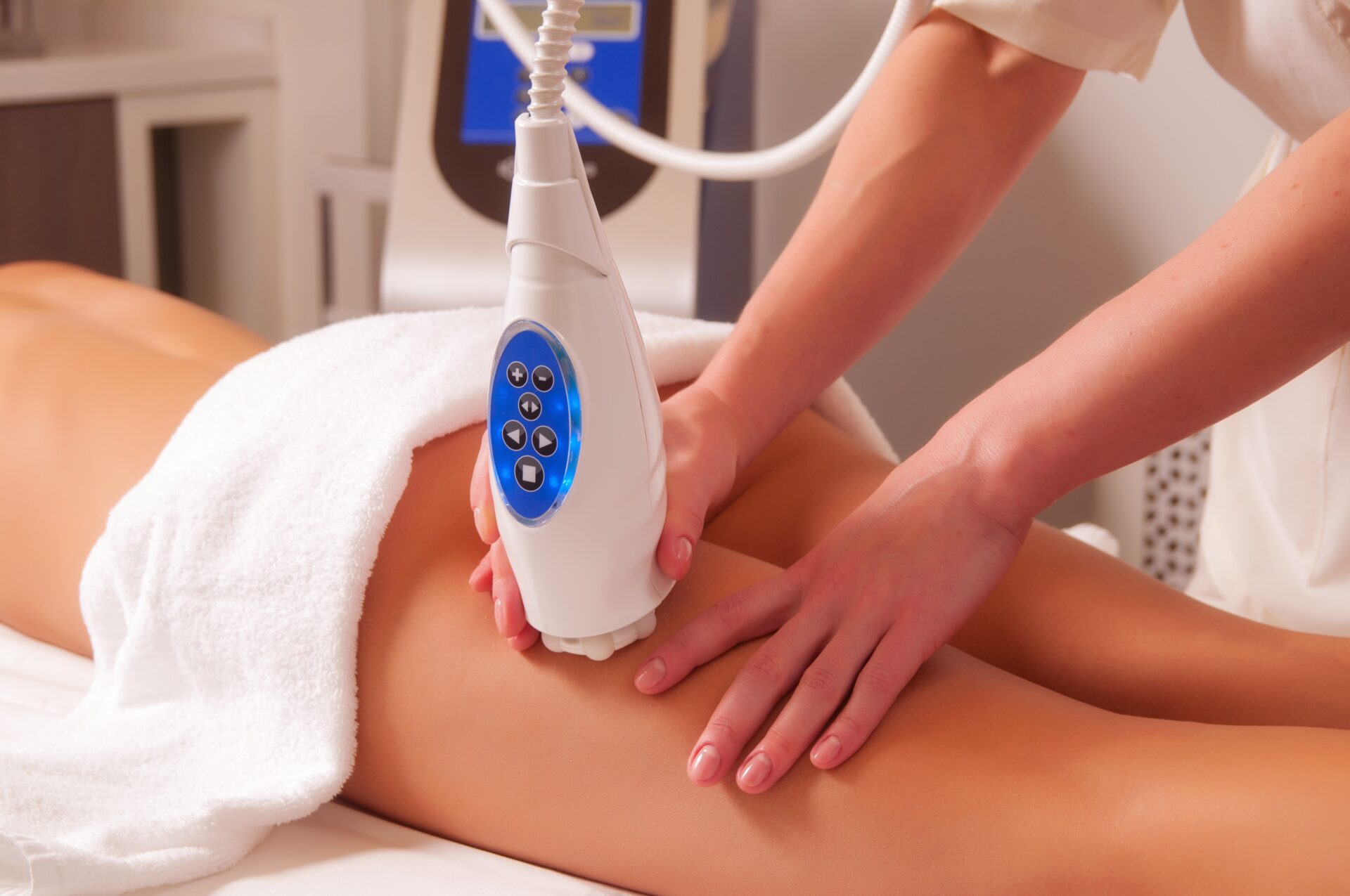
1- Cost of an anti-cellulite treatment
First things first: no anti-cellulite treatment is permanent. After the initial intensive sessions, maintenance sessions will be needed, as cellulite will inevitably return…
In terms of pricing, the techniques mentioned above come at the following costs — bear in mind that prices are always quoted per session, and that any anti-cellulite treatment will require multiple sessions depending on the size of the area to be treated and the type of cellulite (from early-stage to deeply embedded):
- Shock waves: €50–100, allow for 4 to 10 sessions.
- Ultrasound: €100–300 per session.
- Vacuum therapy: €40–80 per session.
- Radiofrequency: €100–200 per session.
- Laser: €100–150 per session.
- Mesotherapy: €70–100 per session, with 4 to 15 sessions typically required.
- Cryolipolysis: €300–400 per area.
2- Insurance coverage for anti-cellulite treatments
As for coverage, there is essentially none. In 99.9% of cases — except for very advanced, painful, and debilitating fibrous cellulite — anti-cellulite treatments are purely cosmetic. This means you will need to cover the full cost of all sessions out of pocket.
The only anti-cellulite treatment that may be covered today is lymphatic drainage or pressotherapy, but only if a debilitating venous-lymphatic insufficiency has been diagnosed (typically by a vascular specialist, following examination and Doppler ultrasound) and a doctor has recommended drainage sessions with a physiotherapist.
What are the alternatives for tackling cellulite?

As you can see, undergoing an anti-cellulite treatment at a clinic or with an aesthetic physician can be very costly — a budget that few women have access to. There are, however, alternatives, starting with a daily at-home routine combining cosmetic products and massage. To help you get started, we offer the Pack Maxi Anti-Cellulite. It contains everything you need to visibly reduce the orange-peel appearance of cellulite. It includes:
- Two massage oils, to make your anti-cellulite massages effortless — our Stimulating Oil with grapefruit, to use on dry skin, and our Shower Oil with pineapple, for massages in the shower!
- Two massage tools, inspired by the pinch-and-roll technique (our Suction Cup !) and lymphatic drainage (our Orange-Peel Massager, which drains and smooths).
- A scrub and a brush, to prepare the skin for treatment, stimulate circulation, and remove dead skin cells.
- Our Cold Cellulite Cream, a true must-have that can be used on any area of the body, targeting dimples while firming the skin with its cooling effect.
What’s more, our Maxi Pack includes two comprehensive guides to support your daily anti-cellulite routine:
- A guide to everything you need to know about cellulite (to help you identify your cellulite type), complete with tips and 40 anti-cellulite recipes.
- A 21-day coaching programme with fitness, nutrition, and skincare tips to help you say goodbye to orange-peel skin.
Our Pack offers a complete, easy-to-follow method — at least as effective as a professional anti-cellulite treatment, but at a fraction of the cost!
