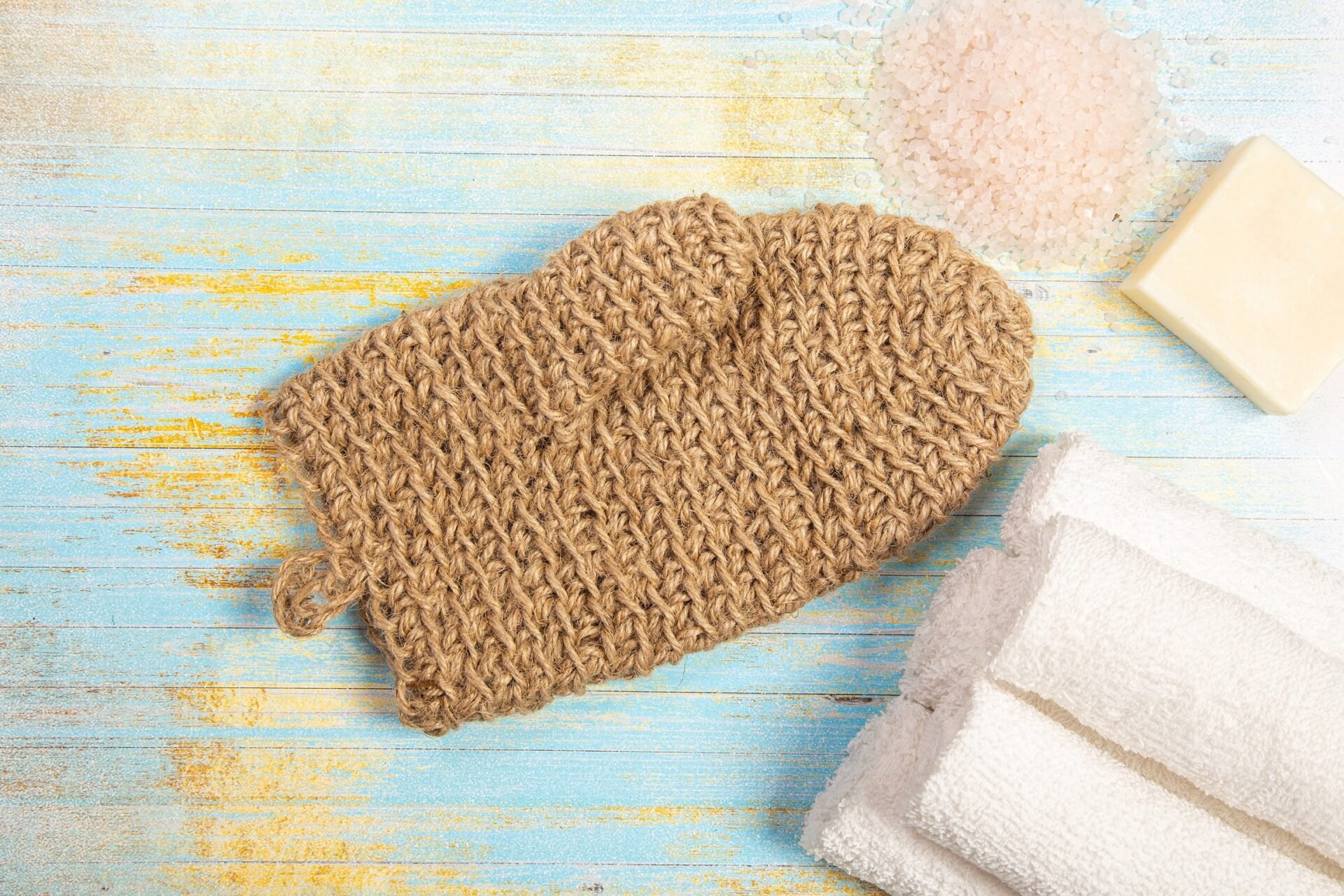
Among the many anti-cellulite trends out there, natural methods are gaining more and more fans. We’re even rediscovering time-honoured rituals, valued for being both budget-friendly and effective. The sisal mitt is making a major comeback in bathrooms everywhere! But does it actually work against cellulite? And more broadly, are there real beauty and wellness benefits to using one?
What is a sisal mitt?
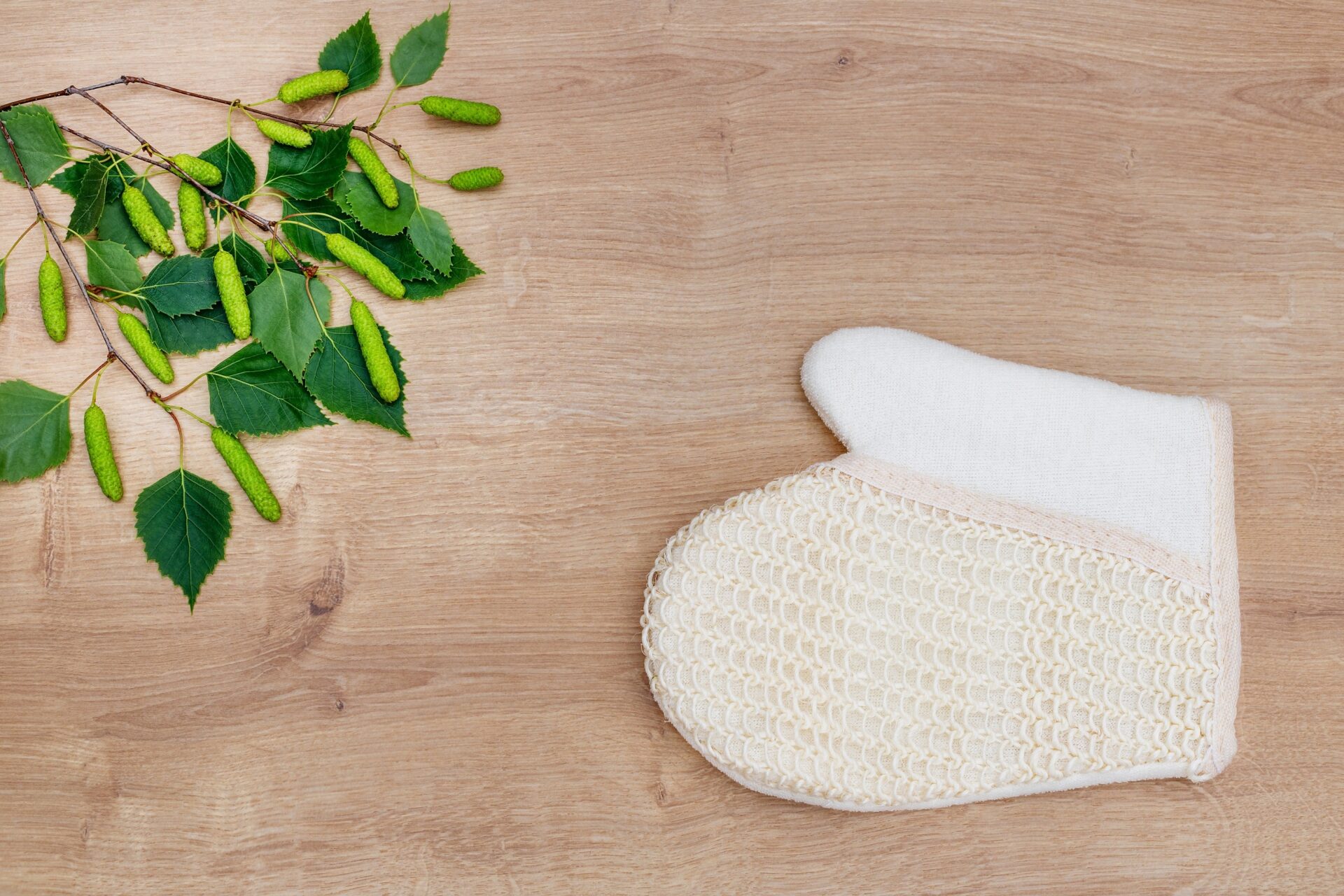
A sisal mitt is a shower and skincare accessory that has been used for centuries — it was already a hygiene staple in Antiquity! — primarily for exfoliating the skin. Originally, and as the name suggests, it was made from natural horsehair. Today, you can find versions in synthetic fibres as well as natural plant fibres — loofah, ramie, sisal, palm, hemp… Used dry or in the shower, it buffs away dead skin cells, leaving skin softer and far more receptive to moisturising and nourishing treatments.
Like other organs in the body, the skin plays an elimination role. It has a protective function, of course, but also an excretory one (perspiration, sebum secretion). Within the dermis — the skin layer beneath the epidermis — a network of veins supplies the skin with water, oxygen and nutrients, while the lymphatic system carries waste and toxins away via the lymph nodes. Using a sisal mitt therefore has a dual action: it supports the skin’s natural elimination function by unblocking pores, and it stimulates the circulation of vital fluids (blood, lymph, water).
What are the benefits of using a sisal mitt?
When used correctly — more on that shortly! — regular use of a sisal mitt offers significant benefits for the skin and overall wellbeing:
- As mentioned above, brushing with a sisal mitt helps to unclog pores and restore the skin’s natural elimination function. It “breathes” more freely and looks visibly more radiant.
- It is also ideal for preparing the skin before hair removal, as its slightly rough texture lifts hairs and frees the follicles. It also helps prevent ingrown hairs, which can be painful and cause redness (the dreaded “strawberry skin” effect).
- Using a sisal mitt helps to stimulate veno-lymphatic circulation through the mechanical action of friction. It is therefore particularly recommended for those who experience heavy legs.
- Sisal mitt friction has a toning effect on the skin, as the connective tissue — made up of elastic fibres — is stimulated. It can therefore help reduce the appearance of skin laxity (that unwanted sagging skin effect!).
- Sisal mitt massage stimulates lymphatic flow, helping the body to flush out waste and toxins. This works best when movements are performed correctly — that is, directed towards the lymph nodes.
- Regular and proper use of a sisal mitt can also have positive effects on cellulite. The massage stimulates fat cell drainage, helps eliminate water retained in the tissues and tones the connective tissue (reducing fibrosis). It therefore acts directly on all types of cellulite: aqueous (linked to water retention), adipose (linked to excess fat cell volume) and fibrous (linked to fibrosis).
- Finally, sisal mitt brushing promotes muscle relaxation and helps relieve stress. It gently stimulates muscles, tendons, nerves and tissues, encouraging the body to unwind.
Another benefit of the sisal mitt — this time a practical one: it’s a brilliant alternative to body scrubs . One mitt purchased means fewer exfoliating products to buy!
Sisal mitt and cellulite: how to use it properly
1- How often to use it
Bear in mind that a sisal mitt can be too harsh for sensitive skin. Its slightly rough texture can cause irritation. It is therefore essential to limit use to once or twice a week, no more. Used daily, it can have the opposite effect to the one intended: a weakened skin barrier, a disrupted hydrolipidic film, and irritated capillaries (which may even burst, leading to the appearance of telangiectasia).
2- How to use it
While some people use their sisal mitt for dry brushing, dermatologists tend to recommend using it in the shower, ideally towards the end. It is also advisable to opt for cool to cold water: the vasodilation caused by hot water can lead to micro-trauma in the blood vessels.
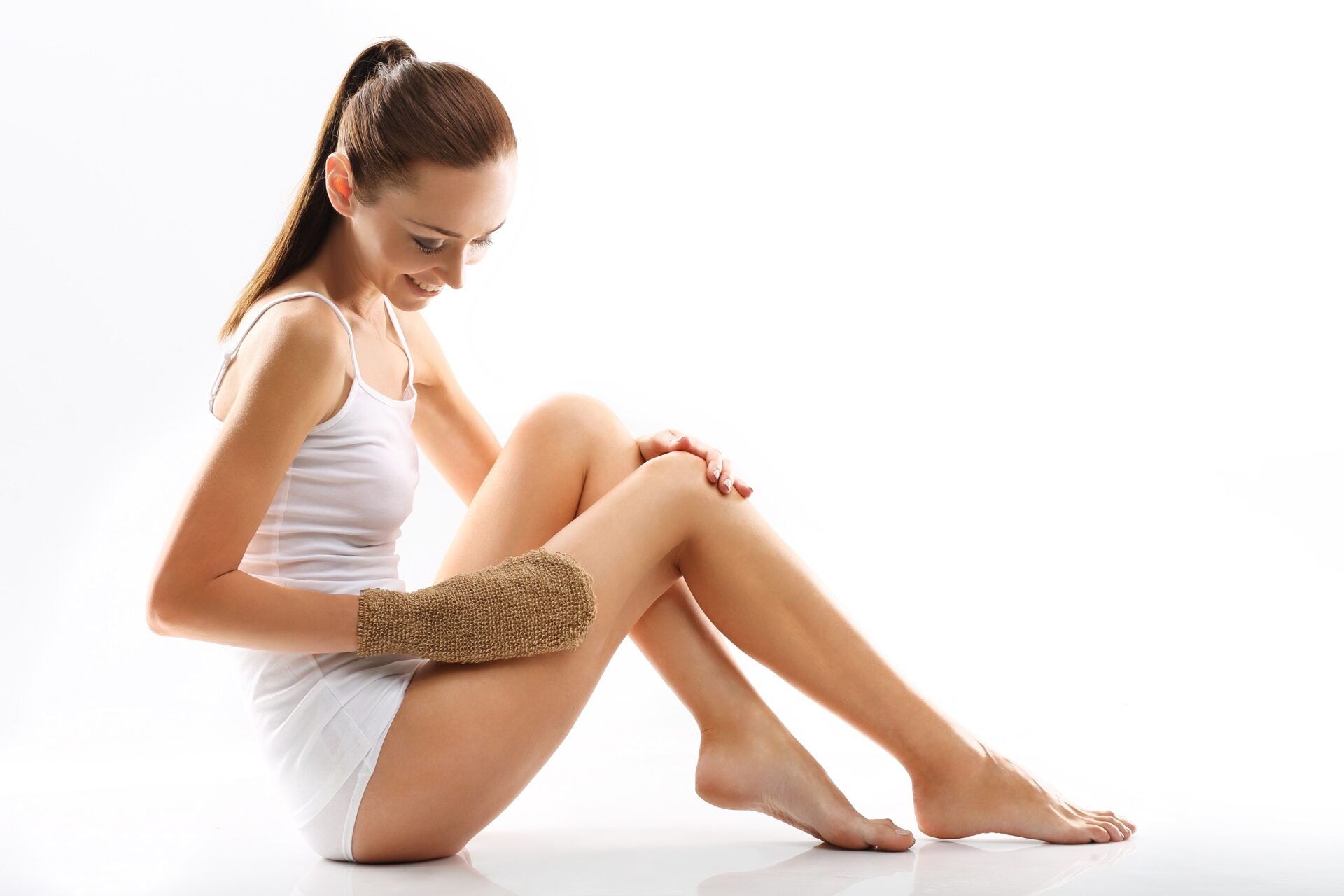
The massage with a sisal mitt should follow a specific technique. Movements should be firm and energetic, but not forceful, to avoid irritation. The friction combines small circular movements over cellulite-prone areas (thighs, buttocks, hips, stomach) with smoothing strokes to encourage drainage. Smoothing movements should always be directed towards the heart and the lymph nodes, located at:
- The neck (submandibular, cervical, submental)
- The armpit (axillary)
- The chest (bronchial)
- The abdomen (aortic)
- The lower abdomen (iliac)
- The groin (inguinal)
- The knee (popliteal)
So, work from the ankle up to the knee, from the knee up to the groin, from the wrist up to the shoulder (for arm cellulite), from the pelvic area up towards the stomach, from the back of the knee up to the lower back… and so on!
Some people use their sisal mitt on its own, while others prefer to apply soap, shower gel or even a shower oil or anti-cellulite oil (such as ours !). It’s entirely a matter of personal preference and comfort! You can also combine sisal mitt use with an anti-cellulite treatment applied once you’ve stepped out of the shower and dried off. Our Cryo Cellulite Cream is the perfect complement!
3- Which areas of the body
A sisal mitt can be used on all areas of the body — whether affected by cellulite or prone to rough patches — except the mucous membranes, face and chest. The skin in these areas is thin and delicate and requires specific care. It should also be noted that using a sisal mitt is not recommended if you have a skin condition: wounds, cuts, spots, sunburn, redness or a skin disease. This advice also applies to those with severe venous insufficiency or a history of phlebitis.
How to choose the right anti-cellulite sisal mitt

It all comes down to personal preference! The key is finding the texture and level of firmness that suits you best. Some materials are noticeably rougher than others. Animal hair (horse, goat, ox) tends to be quite firm, while certain plant fibres are considerably softer. We recommend heading to a shop to feel the different textures and find the one that best suits your skin type. If you follow a vegan lifestyle, you’ll naturally gravitate towards mitts made from plant-based natural fibres.
There are also different shapes available, depending on how you plan to use your mitt. For targeting cellulite specifically, a classic mitt — shaped like a wash glove or mitten — works perfectly well. If you want to treat your whole body, you might also consider investing in a friction strap: a long sisal band with two handles that makes it easy to exfoliate hard-to-reach areas like the back. It can just as easily be used on cellulite-prone areas: love handles, thighs, legs.