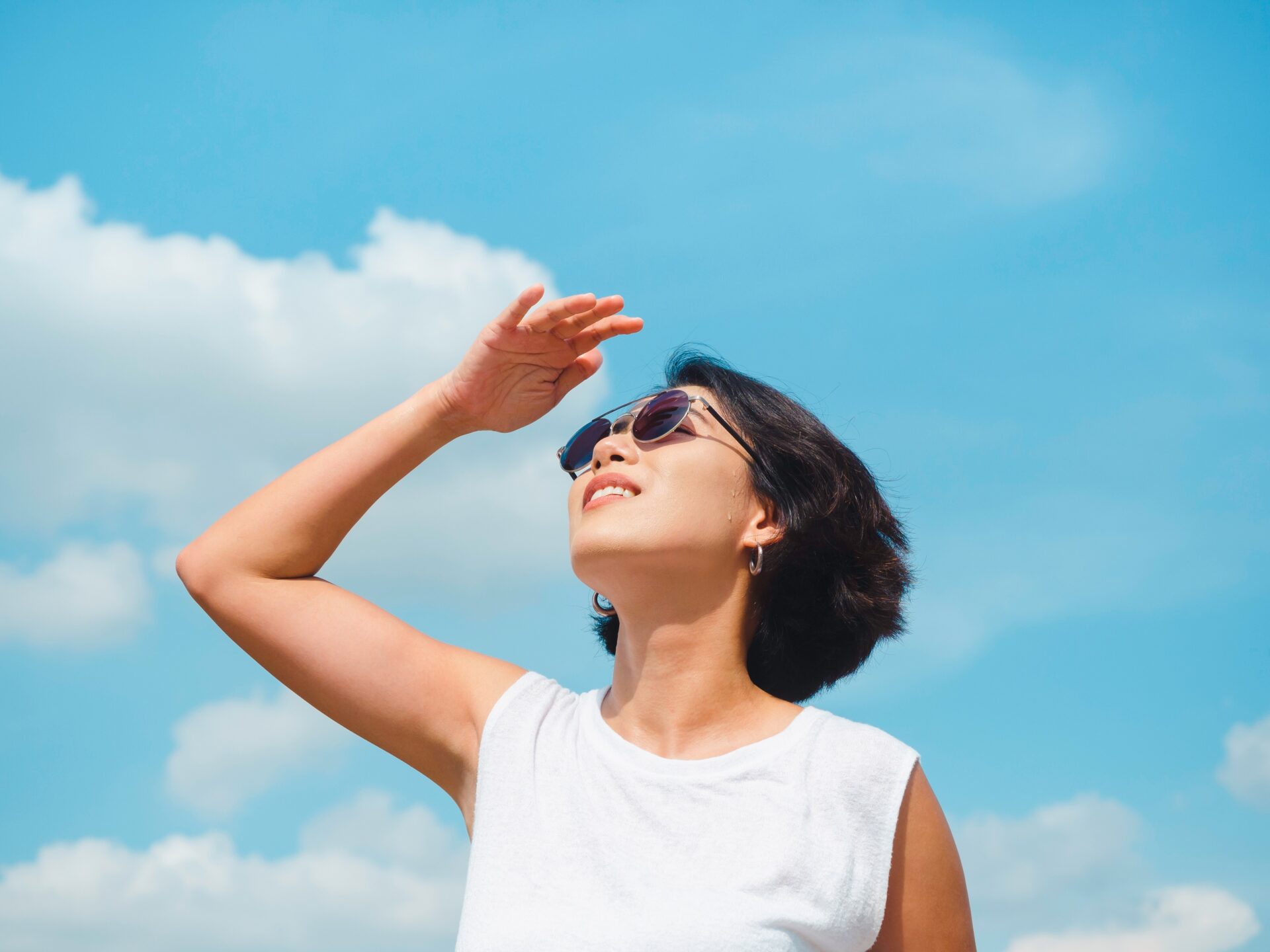
Slimness at any cost… that’s exactly what’s at play here. Fanciful, even dangerous slimming trends are multiplying just as fast as beauty standards tighten their grip. The latest one comes from China and goes by the curious name of sun-eating. But what exactly does this practice involve — and, as its name suggests, what does it mean to “eat the sun” in order to lose weight? And what are the risks?
What is sun-eating?
The sun-eating (literally “eating the sun”), also known as sun-gazing (“staring at the sun”) is a slimming trend that originated in China, hugely popular in Hong Kong. The concept, highly fanciful, involves facing the sun and “feeding” on its rays, which are said to act as a meal substitute.
Practitioners — mainly women aged 20 to 30 — recommend starting with a 10-second session, then increasing by 10 seconds each day until reaching 44 minutes of sun exposure (over 9 months). Another recommendation from gazers (sun-eating devotees): sun-eating is easiest to start in the evening, at sunset, and is said to allow you to skip dinner. It’s therefore not unusual to witness a curious spectacle on Hong Kong beaches from late afternoon onwards: dozens of young women, armed with sunglasses, parasols or masks, gathering to face the sun and stare at it intently for long minutes.
Finally, other benefits are claimed by its followers: beyond its “appetite-suppressing ” effect, which would ultimately help lose weight, sun-eating is said to be therapeutic. It is claimed to restore visual acuity, to promote sleep and to improve overall quality of life.
Does sun-eating actually help you slim down?

To date, there is no evidence that this practice works. Gazers rely on a fundamentally flawed premise: that sunlight can replace food and boost calorie expenditure. But health professionals and scientists alike are unanimous — it simply doesn’t. Sun exposure cannot replace a meal, as it provides none of the essential nutrients the body needs.
Experts also warn against sun-gazing, which could worsen disordered eating behaviours, including anorexia. The practice involves skipping a meal every single day. This systematic food restriction can ultimately affect the way one relates to eating. Food is no longer seen as something normal or healthy — a necessity of life — but as an enemy to be fought.
What are the other dangers of sun-eating?
Other health professionals are also raising the alarm about this practice. Starting with dermatologists, who warn of the potential damage to the skin. Prolonged, daily sun exposure — even with protection — can cause multiple forms of harm: sunburn and skin damage, premature ageing and, ultimately, skin cancer.
Ophthalmologists are equally concerned: staring at the sun for extended periods, even through sunglasses, can seriously damage your eyes. The consequences can include severe conditions such as irreversible corneal damage, cataracts, macular degeneration…
How can you slim down without putting your health at risk?
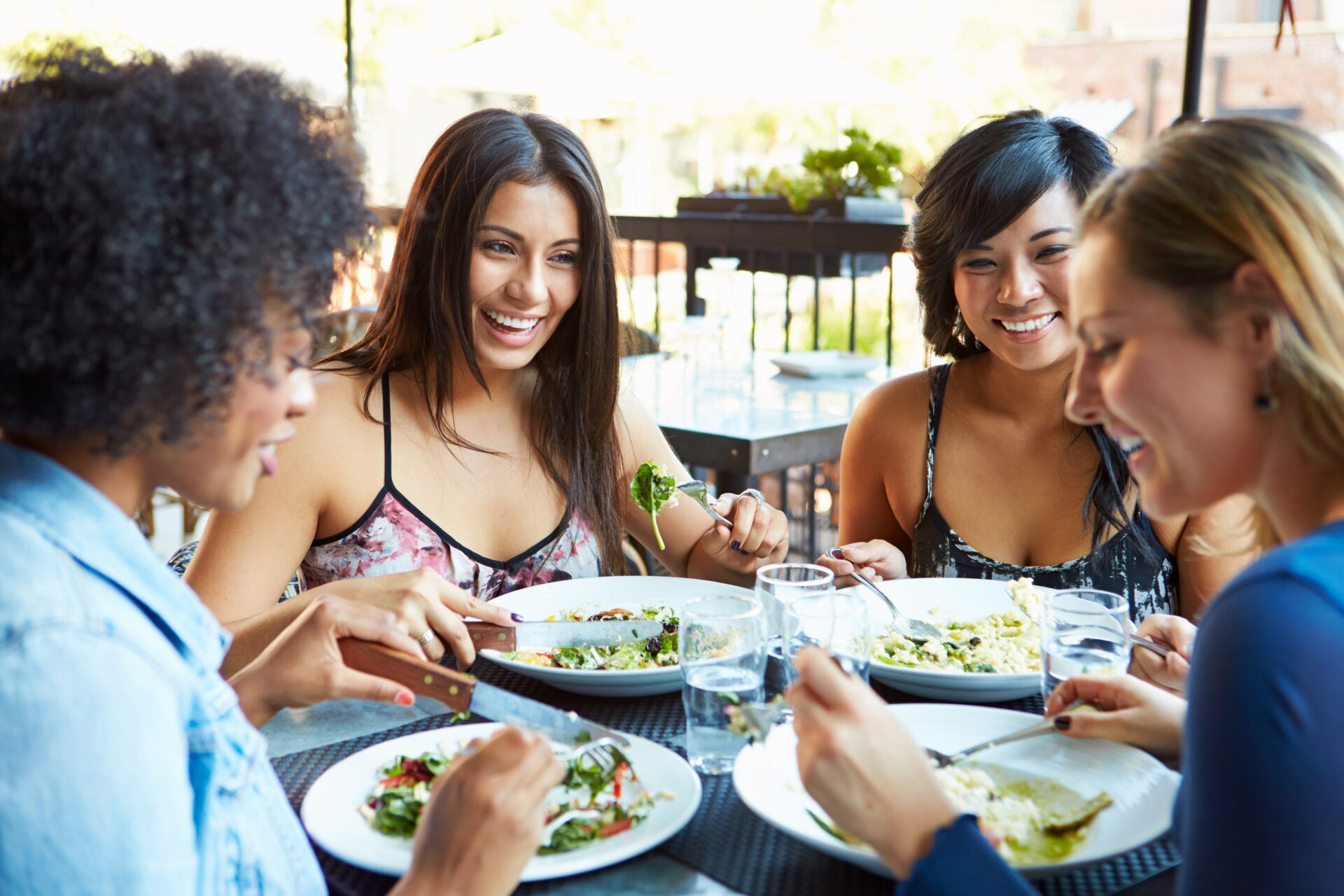
The first answer that comes to mind is, of course, to steer well clear of sun-eating! More seriously, lasting weight management rests on a few fundamental principles worth revisiting. Weight loss requires burning more energy than you consume. It’s therefore about eating healthily and sufficiently, but not excessively, and staying active enough through physical exercise. In practice:
- don’t skip meals and eat by listening to your hunger and fullness cues ;
- choose whole foods, minimally processed, and cook them yourself ;
- eat healthily and in a balanced way, without leaving out any essential nutrients — fruit and vegetables, low-GI complex carbohydrates, lean proteins, quality fats in moderate amounts ;
- avoid processed foods, which are often too fatty, too sugary and/or too salty ;
- drink plenty of fluids, primarily water ;
- engage in daily physical activity and regular exercise (2–3 times a week) ;
- get enough sleep, as sleep affects mood and the secretion of hunger and satiety hormones ;
- avoid stressful situations, which encourage emotional eating and the food cravings that follow ;
- embrace your natural body shape and free yourself from the pressure to be thin, which leads to practices as misguided as sun-eating.