
Women’s magazines, our favourite influencers, our best friend, the neighbour… Everyone seems to have their “best advice” on body shape, orange-peel skin and the ideal body, often with promises that are far too good to be true. But, at the risk of disappointing you, many of the tips you hear here and there really aren’t worth following… Pointless, or even counterproductive for our well-being: low-fat products, skipped dinners, banned starchy foods, obsessive calorie counting, diet fizzy drinks, rationed glasses of water, one diet after another… Here are the most widespread misconceptions, and why you’re better off forgetting them in favour of a varied, balanced diet.
Going for 0% fat products
An entire supermarket aisle packed with products that all look delicious and promise not to add a single gram… Sounds dreamy, right? Yet, despite the advice you may have heard, low-fat products don’t necessarily deserve pride of place on your shopping list. Whether it’s ready meals, yoghurts, dessert creams or butter, so-called “light” products often contain plenty of additives. For example, 0% fruit yoghurts may indeed contain no fat, but that fat is often replaced by white sugar! If you’re not convinced, take a look at the ingredient list on your low-fat products… You’ll soon see they’re not quite as “light” as they seem!
Skipping dinner
Among the worst myths, you often hear that dinner can be skipped, since we don’t use up much energy during the night. Yet every meal of the day matters, and dinner is no exception! Breakfast is essential: it gives our body the energy it needs after a night without food. Lunch is a must: it’s the meal that keeps us going through to the evening. As for dinner, it allows your body to function properly throughout the night. Contrary to popular belief, we do use energy even at rest. Skip dinner and you’re most likely to arrive at your next meal absolutely starving. The best approach is therefore to eat 3 to 4 times a day, keeping your meals balanced, without deprivation or excess.
What about your thighs overnight?
You sometimes hear that if you skip dinner, your body will draw on its reserves while you sleep, especially around the thighs. As we’ve just seen, our body does use energy at rest. But there’s nothing to suggest that going to bed on an empty stomach targets any particular area. Going without in the evening is more likely to leave you hungry and tempt you to make up for it at your next meal.
So it’s better to stick with a balanced dinner and focus on good everyday habits.
Cutting out starchy foods
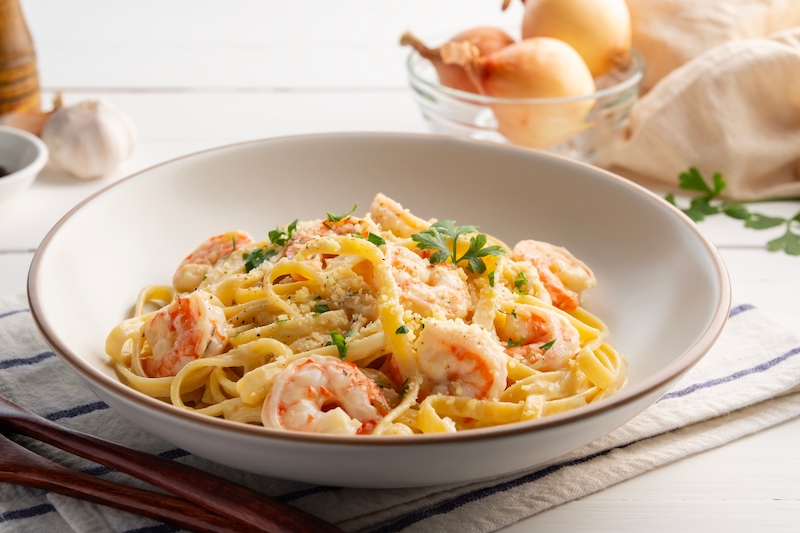
Starchy foods are often the first thing cut out by anyone concerned about their figure and their orange-peel skin. Yet they have a perfectly legitimate place in a varied, balanced diet! Starchy foods are made up of complex carbohydrates and feature in many of our everyday dishes. In practice, a complete meal can combine starchy foods, vegetables and a source of protein, for a nicely varied plate. Where possible, opt for wholegrain versions, such as brown rice, wholewheat pasta or wholemeal bread, which are less refined and richer in fibre than “white” versions. As for added sugars, as you know, ladies, they’re best kept in moderation! Also think about lentils, oats, quinoa or chickpeas. In short, vary your starchy foods, but whatever you do, don’t cut them out of your diet.
Counting calories — one of the myths you absolutely must let go of
We can’t talk about the worst myths without mentioning this one: the frantic, automatic counting of every single calorie consumed. Contrary to what you might think, calories are not our enemies. They are what provide our body with the energy it needs day to day. While it can be useful, when rebalancing your diet, to have a rough idea of how many calories you should be eating each day on average, it should never become an obsession! What matters isn’t just the calorie count of a food, but also its nutritional make-up. Take an apple and a handful of sweets, for example. Both contain around 100 calories. Yet while the apple provides fibre, the sweets mostly deliver sugar and additives! So it’s pretty clear that, as part of a balanced diet, the apple is the better choice, even if both show the same calorie count…
Drinking diet sodas

We’ve already seen that consuming low-fat products is one of the myths to forget. The same goes for drinks! Despite their appealing promises, diet sodas are best kept out of your fridge. In these drinks, sugar is replaced by sweeteners and additives. Why not swap sodas for homemade fruit juices or fresh, delicious infused waters, as part of a varied diet?
Not drinking too much to avoid water retention
While this advice might seem logical at first glance, it absolutely belongs on this list of the worst myths! Cutting back on water is anything but a good idea: our body needs to be well hydrated every day. So make sure you drink enough daily! The recommended minimum is 1 litre of water per day, but you can drink more if you feel the need. Don’t hesitate to eat foods with a high water content too, such as cucumber, melon or watermelon. Staying well hydrated is part of a balanced lifestyle, including when you’re concerned about cellulite. If you experience uncomfortable or even painful swelling in your legs, or tingling sensations, ask your GP for advice.
One of the worst myths… dieting is effective against cellulite!
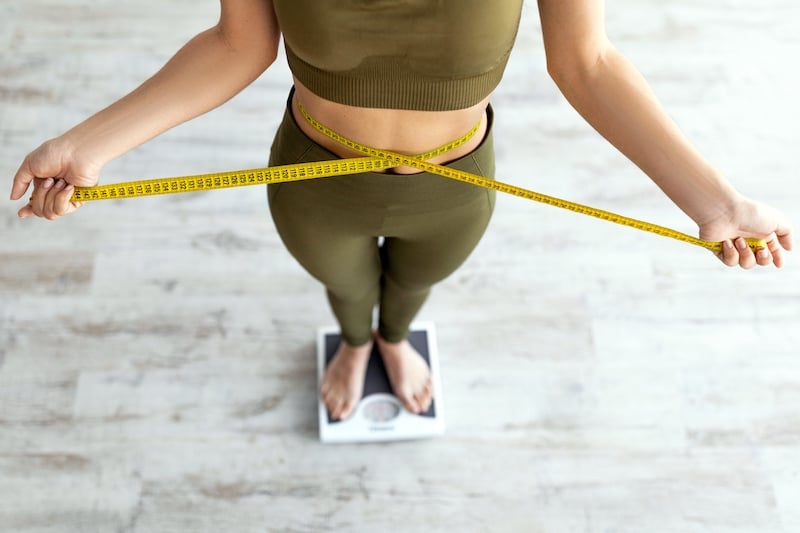
To wrap up this list of the worst myths — the ones to forget immediately — let’s talk about diets. There are countless diets out there, but they all have one thing in common: they are generally based on deprivation. The concept behind a diet is to drastically cut your calorie intake, pinning everything on restriction and on the hope of seeing the number on the scales move.
While this often works reasonably well at first, your body will quickly adapt to the deprivation and learn to function on less energy. Not only will you stop losing weight, but you may also start feeling weak and tired on a daily basis.
The second problem with diets is that they’re not sustainable in the long run. And as soon as you go back to eating normally, you risk ending up back at square one, with a sense of frustration on top. What’s more, going without is no kind of self-care routine: it’s better to focus on a balanced diet, regular physical activity and massage as a way to take care of yourself.
In practice, even if the scales shift, the orange-peel skin may well still be there! Finally, dieting creates a great deal of frustration: you lose the pleasure of eating and every “slip” feels like a disaster… To avoid all this, nothing beats a healthy, balanced diet, which is easier to stick to over time and goes hand in hand with your cellulite care routine.
Now you know which myths to leave behind, ladies!
Alongside a varied, balanced diet, discover our anti-cellulite method pack, designed to accompany your massage routine inspired by the pinch-and-roll technique. Super easy to use, it’s suitable for any area of your body.
Related articles
- Winter foods: what to put on your plate this season
- Chia seeds: composition, uses and recipe ideas
- Butter: easy alternatives for everyday cooking
Useful categories: Anti-Cellulite Diet, Slimming Nutrition.