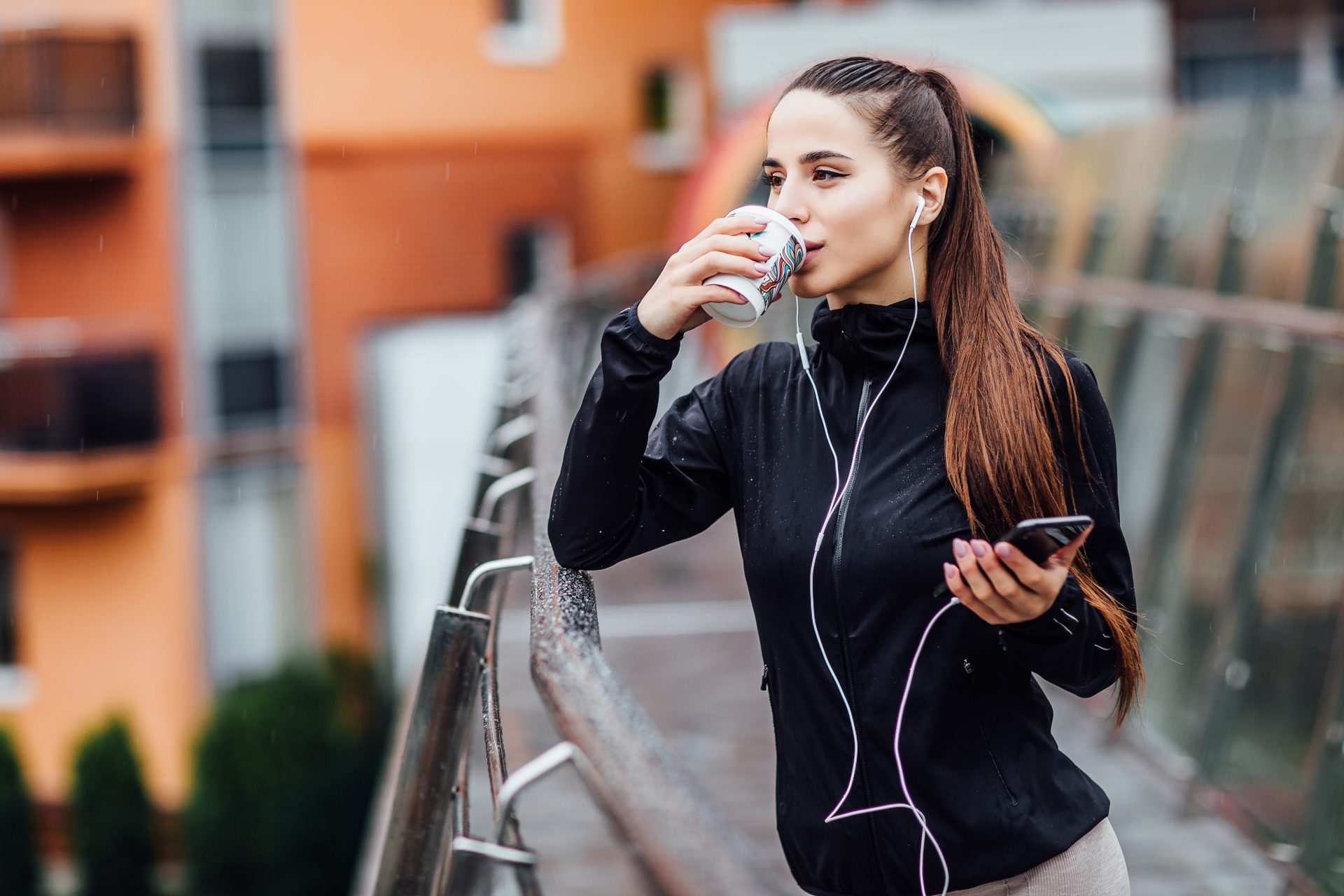
Coffee is your vice: you simply can’t get anything done without your morning dose of caffeine. We completely understand! And naturally, before your early morning jog, you down a good hot cup. But is that actually a good idea? Do coffee and exercise really go hand in hand? Let’s take a closer look…
Coffee, for an instant energy boost
There’s no denying it: coffee wakes you up and gets you going. The reason? The active molecule in coffee, the well-known caffeine, a chemical compound that, among other things, gives the body a boost and sharpens concentration. Its stimulating effect on the cardiovascular and respiratory systems leads to a slight improvement in both physical and mental performance. In fact, the World Anti-Doping Agency only removed coffee — and by extension, caffeine — from its list of banned substances in 2004, so widespread had its use become among athletes. Moreover, caffeine appears to have positive effects on endurance, as shown in several studies(1). It may indeed reduce feelings of fatigue and pain, thanks to its analgesic properties.
Coffee, a heart rate accelerator
But things are never quite that simple! Shortly after caffeine is absorbed, a chain reaction occurs in the body, linked to an increase in heart rate:
- A disruption in blood flow to the heart, due to its vasodilatory effect
- An increase in breathing rate
- A less efficient delivery of oxygen to the heart
Yet it’s precisely when you’re exercising that the heart needs to perform at its best! It therefore seems that drinking coffee right before intense physical exertion is entirely counterproductive.
Coffee and dehydration: what should you think?
Another thing to know about coffee: it’s a diuretic. A diuretic is a substance that stimulates kidney activity and therefore the mobilisation of water in the body for urination. The question then arises: can coffee cause dehydration if consumed before exercise, which already leads to water loss through sweating? There’s no clear-cut answer, as it all depends on:
- The intensity and duration of the effort
- The amount of coffee consumed
- Your hydration level before, during, and after exercise
If you drink two large cups of strong coffee before a running session lasting an hour, and nothing else, your body will inevitably struggle and suffer from fluid loss — leading to cramps, muscle soreness, and increased fatigue. But an espresso before a 30-minute fitness session, during which you hydrate regularly (with water!), won’t have any significant dehydrating effect… It’s all about drinking sensibly.
Coffee, a lipolytic aid?
Some athletes, beyond enjoying coffee’s stimulating effect, drink it to amplify the lipolytic benefits of exercise. Caffeine is indeed a compound made up of three isomers, including paraxanthine, which increases lipolysis and, in turn, the concentrations of glycerol and fatty acids in the bloodstream. Numerous studies have been conducted on the coffee + exercise combination, with mixed results: some show an increase in lipid oxidation(2), while others find no truly convincing effect. It is therefore not (yet) possible to claim that drinking large amounts of coffee before working out is the definitive solution for losing weight quickly and reaching your ideal weight. Slimming down requires a combination of efforts: regular physical activity, a healthy lifestyle, and a balanced diet — let’s be clear about that!
So, coffee or no coffee before exercise?
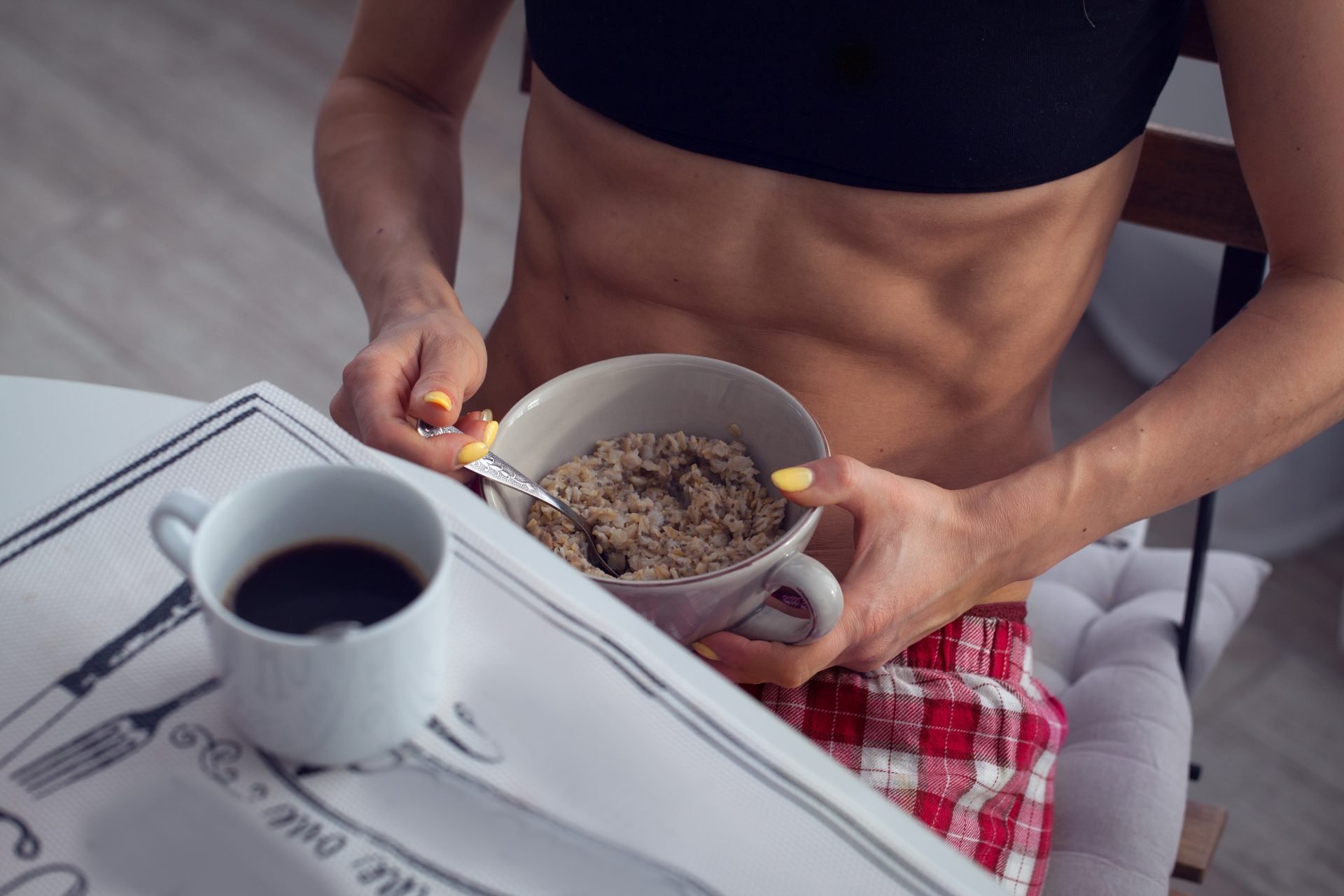
You can absolutely keep drinking coffee before your workout. That said, consumption should be moderate and mindful:
- It’s advisable to drink your coffee at least 30 minutes before exercising, to give your body time to metabolise some of the caffeine and allow your heart rate to return to a relatively normal level.
- It’s not recommended to combine coffee with other caffeinated drinks during exercise, especially if the session is moderate to intense and lasts a long time.
- It may be beneficial to pair coffee with complex carbohydrates before working out. Coffee provides its stimulating effect, while carbohydrates supply the energy your body needs to perform.
Now you know!
References
(1) 2014, Spriet, Exercise and Sport Performance with Low Doses of Caffeine
(2) 2021, Ramírez-Maldonado et al., Caffeine increases maximal fat oxidation during a graded exercise test: is there a diurnal variation?