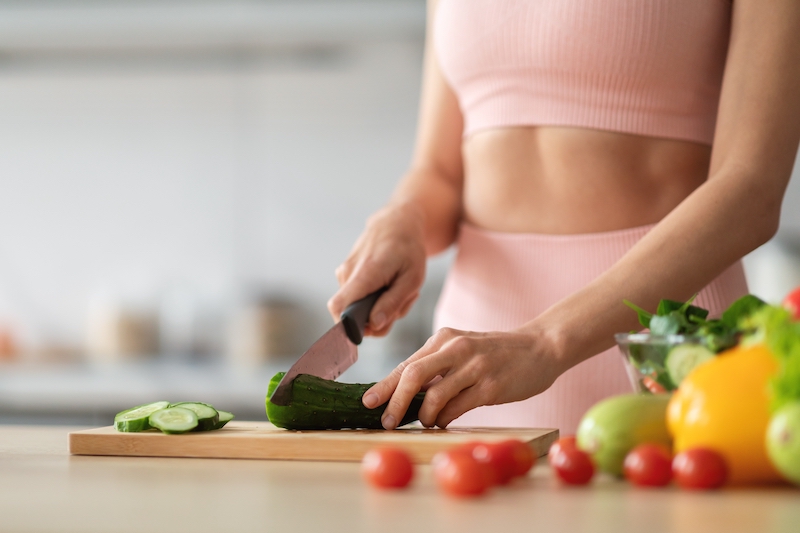
Want to smooth out those dimples? It all starts on your plate! While exercise and massage are essential, certain vegetables are powerful allies for tackling cellulite from the inside. Drainage and toxin elimination: discover the top 7 most effective anti-cellulite vegetables for visibly smoother skin.
Sommaire
Why certain vegetables help fight cellulite
Not all vegetables play the same role, but some have particularly interesting properties when it comes to reducing the appearance of dimples.
The anti-cellulite vegetables that stand out most are often those that are:
- high in water, to support hydration and drainage;
- high in fibre, to support digestion and a balanced diet;
- high in potassium, a mineral that helps regulate the body’s fluid balance;
- high in antioxidants, which help protect the tissues.
This is why these vegetables are so often recommended as part of an anti-cellulite diet.
The best anti-cellulite vegetables
Onion
Onion is excellent for fighting cellulite. It helps lower blood sugar levels and, in doing so, actively promotes fat elimination. It also helps flush out excess water and accumulated toxins. In short, it helps break down stored fat and lighten the body!
Raw in a salad, lightly sautéed in a pan or added to a slow-cooked dish, onion is incredibly easy to incorporate into your daily meals.
Leek
One of the best vegetables for decongesting the tissues! Rich in potassium and very low in sodium, leek has powerful diuretic properties that help flush out excess water trapped in dimpled areas. By promoting toxin elimination and stimulating lymphatic drainage, it helps reduce water-based cellulite for visibly less puffy skin.
Steam it to preserve its minerals, and simply finish with a squeeze of lemon and a pinch of turmeric to enhance its detoxifying effect.
Cucumber
Made up of over 95% biologically pure water, cucumber is the ultimate enemy of water-retention cellulite. Its secret? It acts like a true toxin magnet: its richness in silicon and sulphur stimulates the kidneys to filter out metabolic waste lodged in the tissues. By intensely hydrating your cells while promoting urinary elimination, it helps deflate the areas where dimples are most visible.
Cabbage
Cauliflower, red cabbage, Brussels sprouts… Cabbage ticks all the boxes! It regulates the absorption of sugars by the body and curbs appetite thanks to its high fibre content. It also provides a great source of iron, zinc, magnesium, calcium, vitamin C… And on top of all that, it is low in calories!
Bell pepper
Whatever colour you choose, bell pepper is one of the vegetables richest in vitamin C, an essential nutrient for collagen production. By strengthening skin elasticity, it helps better contain fat cells and smooth the visual appearance of cellulite. Its active compounds also stimulate blood microcirculation, which encourages the elimination of toxins stored in the tissues.
Aubergine
Aubergine is known for its high pectin content, a natural fibre that captures some of the fats and sugars during digestion. By limiting their absorption into the bloodstream, it helps prevent the formation of new fatty deposits beneath the skin. Its potassium content also supports toxin elimination, a key factor in decongesting areas affected by cellulite.
Avoid frying it, as it absorbs oil. Opt for oven-roasting or steaming instead to keep its fibres intact and enjoy its benefits without adding unnecessary fat.
Celery
Celery is an excellent diuretic that promotes healthy digestion and toxin elimination. Its secret lies in its slight bitterness — the very compounds responsible for that bitter taste are what activate fat burning and help reduce the appearance of cellulite. Celery also helps regulate appetite, and prevents the body from absorbing certain sugars and fats from food.
How to incorporate these vegetables into an anti-cellulite diet?
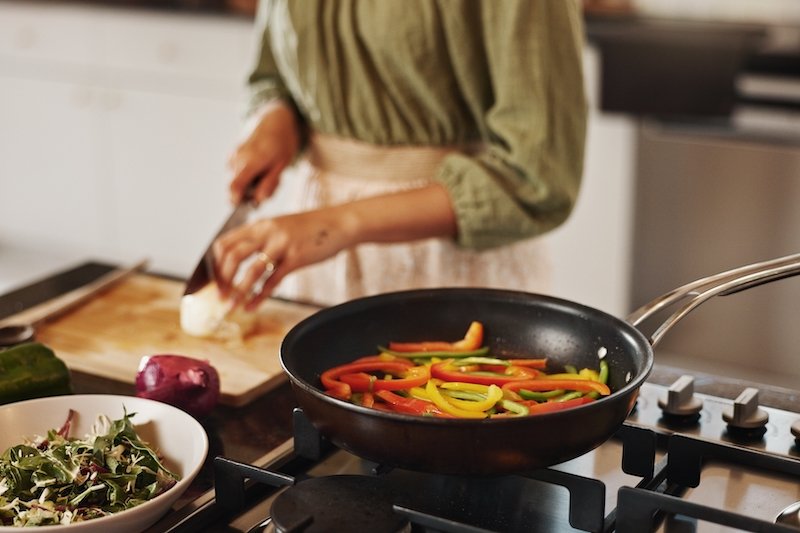 To make the most of the benefits of anti-cellulite vegetables, the best approach is simply to include them regularly in your meals.
For example:
- in composed salads
- in homemade soups
- in stir-fried vegetable dishes
- or in savoury smoothies.
Pairing these vegetables with other fibre- or antioxidant-rich foods, such as certain anti-cellulite fruits, is also a great way to add variety to your diet.
Are vegetables enough to reduce cellulite?
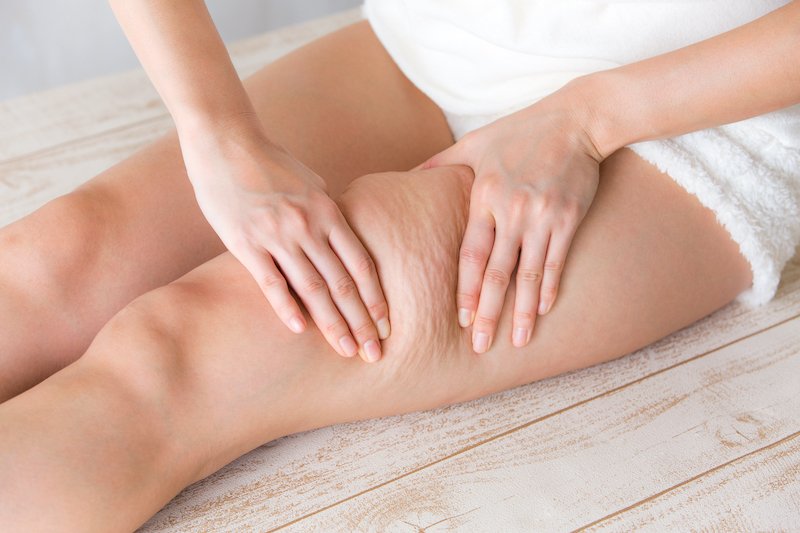
While diet is an essential foundation, it cannot act alone on existing fatty deposits. The orange-peel effect depends on several interconnected factors:
- Water retention that causes tissues to swell.
- Blood and lymphatic circulation which, when sluggish, leads to congestion.
- Fat storage within adipose cells.
- Tissue structure which loses elasticity over time.
To achieve visible results, the approach must therefore be holistic. While vegetables drain and limit fat storage from within, physical activity helps burn fat and tone muscles to support the skin.
Finally, palpate-roll massage is the essential step for acting directly on tissue structure: it helps break down fatty deposits and restart microcirculation in areas where diet and exercise alone don’t always deliver results. It’s this synergy between nutrition, movement and mechanical action that leads to lasting, smoother skin.