Congratulations, you have a little one on the way! Pregnancy is a milestone in a woman’s life, filled with joy and wonder. But it also puts the body through its paces. Hormonal changes during pregnancy can bring a range of discomforts — dry skin being one of the first. Why does this happen, and what can you do about it?
Why do you get dry skin during pregnancy?
Pregnancy changes the nature of your skin — and hormones are largely to blame. The hormonal upheaval that comes with pregnancy has multiple effects on the epidermis. First, the weight gain associated with pregnancy puts the skin under significant tension, especially around the belly, leaving it stretched and more vulnerable. Some pregnant women experience excess sebum production and breakouts. Others develop the well-known “pregnancy mask” (or chloasma) — patches of hyperpigmentation on the face. And then there are those whose skin becomes increasingly dry, leading to tightness, itching, and, if left untreated, stretch marks. The skin becomes rough and loses its elasticity due to a lack of moisture. Dry skin can affect any woman during pregnancy, even those who started out with normal or combination skin. The problem tends to worsen if hydration — both inside and out — has been overlooked from the very beginning of the pregnancy.
Pregnancy and dry skin: maximum hydration!
Don’t forget to drink
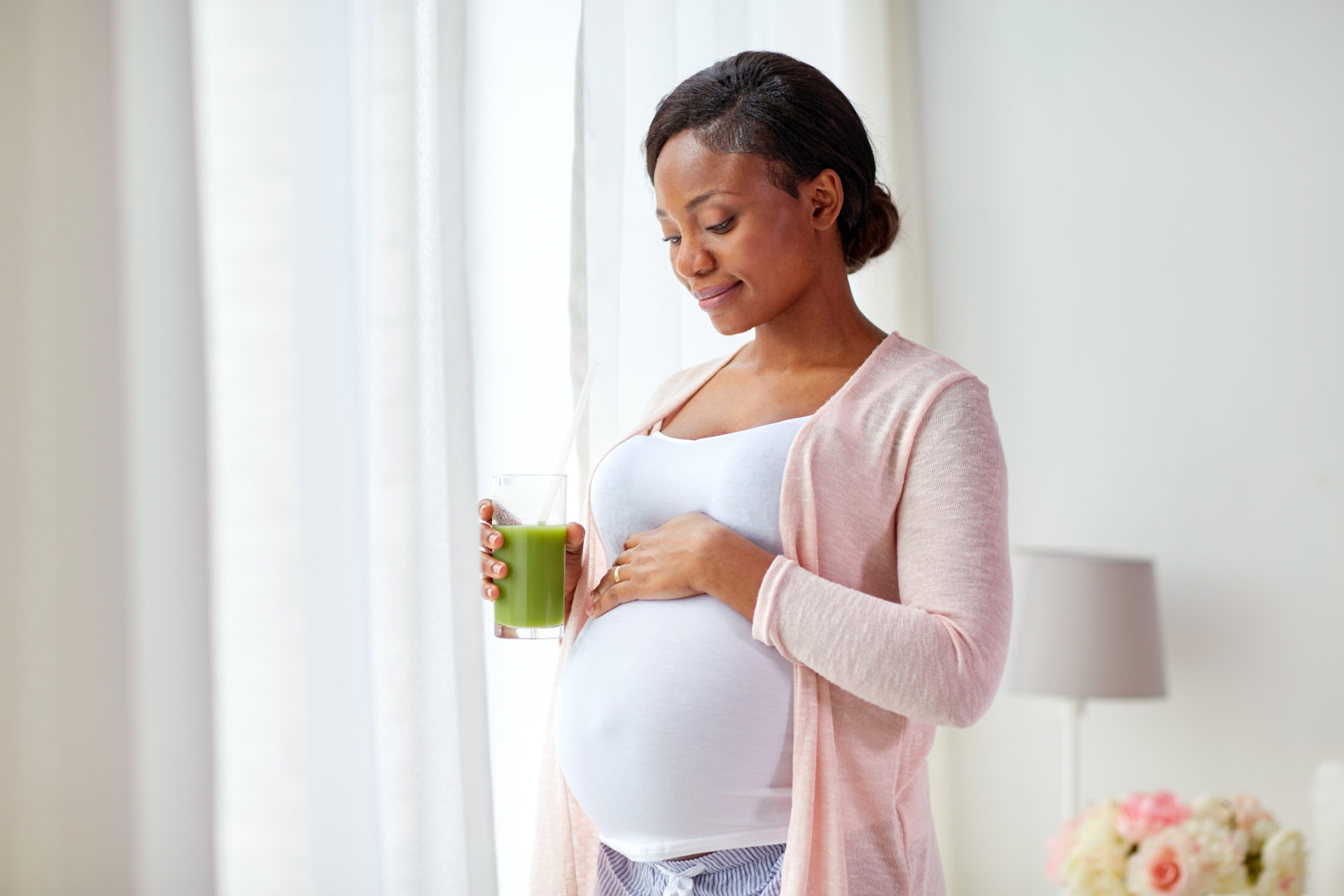
The answer is simple: listen to your body’s needs, which are already working overtime during pregnancy. Staying well hydrated supports healthy foetal development and the optimal functioning of all organs — including the skin. Aim to drink 1.5 to 2 litres of water a day. Water is the simplest and most essential drink, and you can vary your sources. Tap water is perfectly fine, as long as it isn’t too high in nitrates. Bottled waters vary in mineral content — just check the labels to find the right one for you. Tea and coffee should be consumed in moderation, as they contain stimulants (theine and caffeine) that may interfere with your baby’s healthy development. As for sugary drinks, sodas and packaged juices are best avoided — too high in sugar, they offer no nutritional benefit for your baby and won’t do anything for your dry skin. Instead, treat yourself occasionally to a fresh juice made at home from fruits and vegetables. Your skin and your baby will thank you!
Moisturise your skin regularly
Dry skin during pregnancy deserves special attention. Skin dehydration at this stage can lead to lasting consequences: chronic eczema or stretch marks on the chest, belly and hips. If you’re pregnant, taking care of your dry skin is essential.
- Don’t neglect the skin on your face
Keep your skincare routine simple. Cleanse your face with a gentle soap or a superfatted cleansing bar. Moisturise morning and evening with a cream that both hydrates and nourishes, to protect your skin’s hydrolipidic film as much as possible. Avoid abrasive makeup removers, which can be too drying for already-sensitive skin — opt instead for richer, creamier formulas such as cleansing milks. And be mindful of heavy makeup, which can suffocate the skin and worsen dryness.
- Care for dry skin on your body
The same applies to the skin on the rest of your body — it needs to be nourished and protected. Build a dedicated moisturising routine tailored to dry skin during pregnancy. In the shower or bath, swap drying shower gels and bubble baths for a rich shower oil or a superfatted gel. Avoid long, hot or overly frequent showers, as water can weaken the skin and dry it out further. After showering, treat your body to a natural plant-based oil (olive, castor, wheat germ…) or a cream enriched with vitamin A, which is highly beneficial for the skin during pregnancy. You can also build a complete anti-dehydration routine with the Mom’s World range, which includes:
- A stretch mark care oil, rich in plant-based oils of avocado, sesame, jojoba and soy.
- A repairing cream, with a clean formula compatible with pregnancy (macadamia oil, cocoa butter, white horehound).

