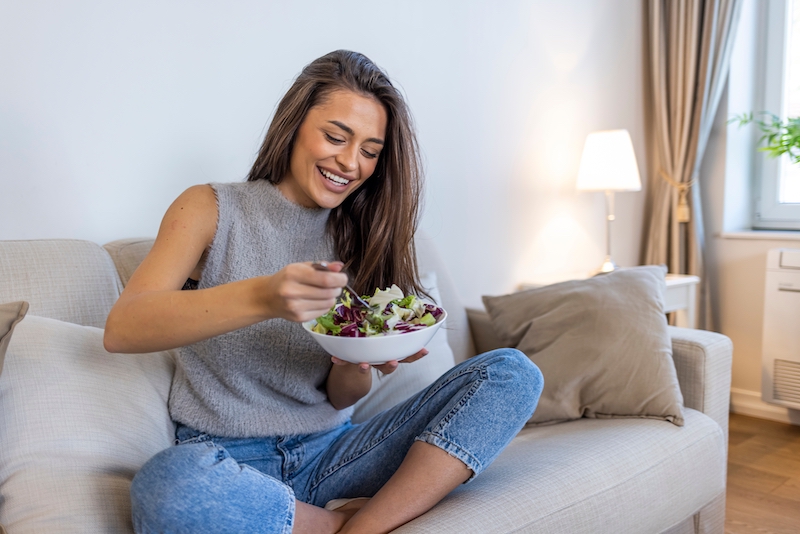
Diet plays an important role in the appearance and progression of cellulite.
While it is not the only factor, certain foods promote fat storage, water retention, or tissue inflammation — mechanisms directly linked to the orange-peel effect.
Conversely, a balanced, nutrient-rich diet can help improve blood circulation, support drainage, and boost fat metabolism.
So, what should you eat to reduce cellulite?
Here are the foods and dietary habits that can truly make a difference.
Sommaire
The most effective anti-cellulite foods
Some foods act directly on the factors involved in cellulite: blood circulation, drainage, inflammation, and fat storage. Including them regularly in your diet can help improve the appearance of your skin.
Fibre-rich foods
Fibre plays an essential role in regulating metabolism and digestion. It helps stabilise blood sugar levels and prevent insulin spikes that promote fat storage.
A fibre-rich diet also helps improve gut transit and limit inflammatory processes in the body.
You can find fibre in:
- green vegetables
- fruits
- whole grains
- legumes
- seeds
👉 Discover the best fibre-rich foods for cellulite.
Anti-cellulite fruits
Fruits are particularly beneficial for fighting cellulite thanks to their high water, vitamin, and antioxidant content. They help combat oxidative stress and support the elimination of toxins.
Some fruits are especially worth including:
- berries
- grapefruit
- pineapple
- apple
- kiwi
Their water and potassium content also helps limit water retention.
👉 Discover the most effective fruits for cellulite.
Anti-cellulite vegetables
Vegetables are a cornerstone of a diet that supports cellulite reduction. They provide fibre, minerals, and antioxidants while remaining low in calories.
Some vegetables also have natural draining properties that can help limit water retention.
Among the most beneficial:
- cucumber
- asparagus
- broccoli
- spinach
- fennel
👉 Discover the best vegetables to eat for cellulite.
Protein-rich foods
Protein plays an important role in tissue tone and structure. It contributes to maintaining muscle mass and cell renewal — two factors that can influence the appearance of the skin.
A diet sufficiently rich in protein can also help limit fat storage when combined with a balanced diet and regular physical activity.
Good sources include:
- eggs
- fish
- lean meats
- tofu and plant-based proteins
- legumes
👉 Discover the best protein sources for fighting cellulite.
Anti-cellulite drinks
Hydration is a factor that is often underestimated in managing cellulite. Drinking enough water helps eliminate metabolic waste and improve circulation.
Certain drinks can also support the body’s natural drainage processes.
The most beneficial options are:
- lemon water
- green tea
- draining herbal teas
- smoothies rich in fruits and vegetables
👉 Discover the best anti-cellulite drinks.
Anti-cellulite superfoods
Some foods are particularly rich in nutrients that benefit circulation, inflammation, and metabolism.
For example:
- turmeric
- ginger
- chia seeds
- flaxseeds
- antioxidant-rich berries
These foods can easily be incorporated into everyday recipes.
👉 Discover the most effective superfoods for cellulite.
Draining foods
Some foods naturally possess draining properties that can help limit water retention, a phenomenon often associated with water-based cellulite.
They help stimulate the elimination of excess water and support the lymphatic system.
Among the best-known foods for their draining effects:
- cucumber
- asparagus
- celery
- pineapple
- watermelon
👉 Discover the most effective draining foods for cellulite.
Key nutrients that help fight cellulite
Beyond individual foods, certain nutrients play a particularly valuable role in preventing and improving the appearance of cellulite.
Fibre
It helps regulate blood sugar levels and limit fat storage.
Potassium
It helps regulate the body’s fluid balance and can reduce water retention.
Antioxidants
They help protect tissues from oxidative stress.
Vitamin C
It plays a role in collagen production, which is essential for skin firmness.
Foods that worsen cellulite
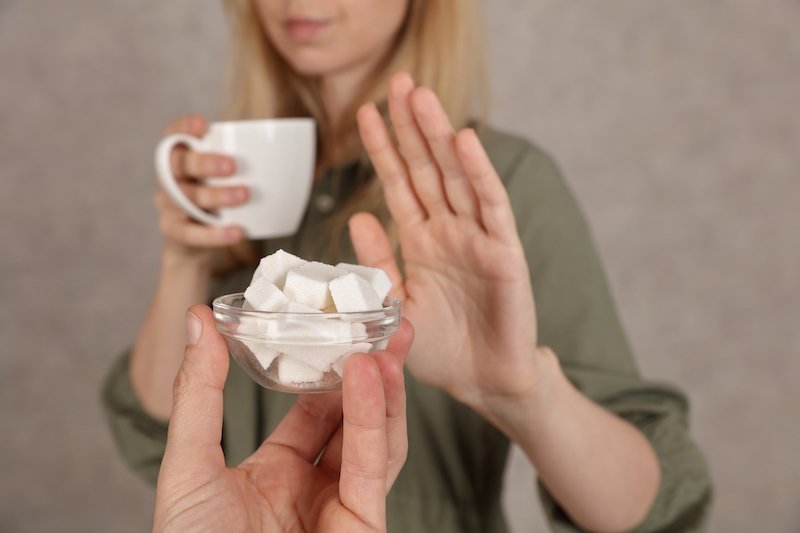
Just as some foods can help improve the appearance of the skin, others tend to promote the onset or worsening of cellulite.
Sugar
Excessive sugar consumption promotes fat storage and can lead to increased inflammation in the tissues.
The most problematic products include:
- fizzy drinks
- industrial pastries
- confectionery
- heavily sweetened cereals
👉 Find out why sugar can promote cellulite.
Salt
Salt promotes water retention, a phenomenon directly linked to the appearance of certain forms of cellulite, particularly water-based cellulite.
The foods highest in salt are often processed products such as:
- ready meals
- cured meats
- salty snacks
Ultra-processed foods
Ultra-processed products are often high in sugars, saturated fats, and additives. Excessive consumption can promote inflammation and disrupt metabolism.
Cutting back on these foods often leads to an overall improvement in diet quality.
A sample anti-cellulite day of eating
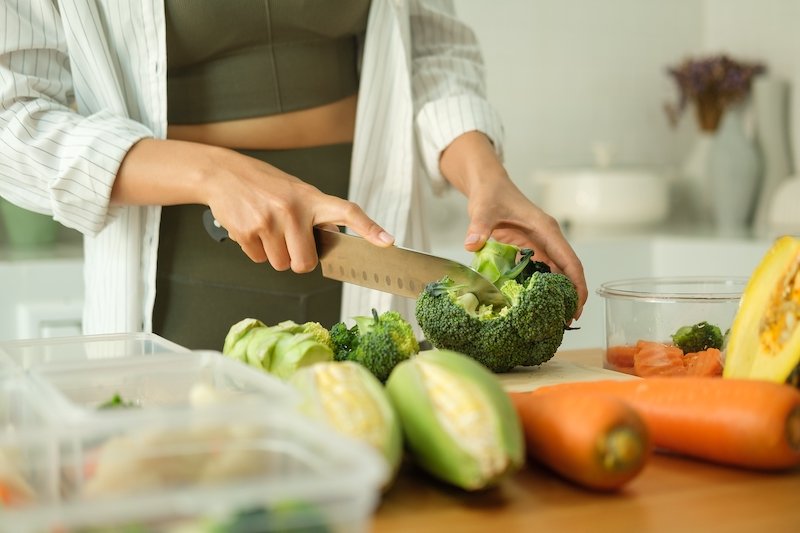
Here is a simple example of a daily meal plan that supports drainage and nutritional balance.
Breakfast
- plain yogurt or fromage blanc
- oat flakes
- berries
- green tea
Lunch
- mixed vegetable salad
- fish or plant-based protein
- quinoa or brown rice
Snack
- fresh seasonal fruit
- a handful of almonds or walnuts
Dinner
- cooked vegetables
- a source of protein
- vegetable soup or a light salad
👉 Discover a 7-day anti-cellulite meal plan.
What diet alone cannot do
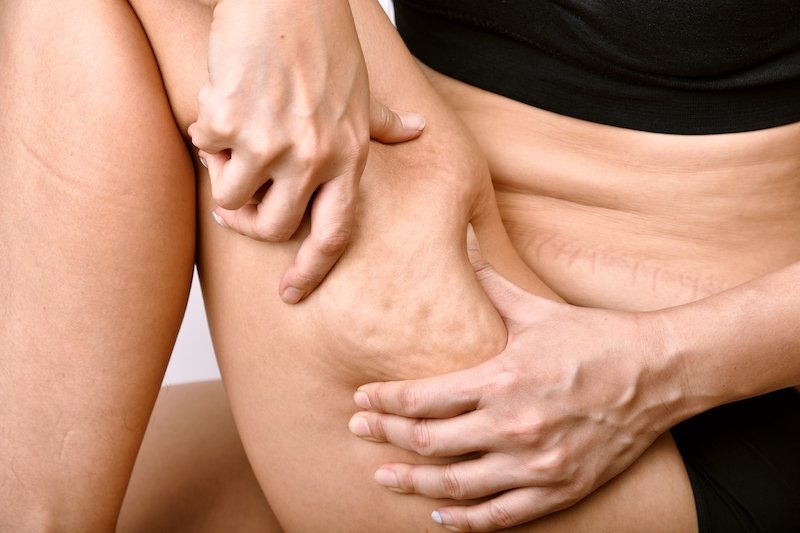
Even though diet plays an important role, it is generally not enough on its own to significantly reduce cellulite.
The orange-peel effect is linked to several factors:
- blood circulation
- lymphatic drainage
- tissue structure
- fat storage
That is why the most effective approaches often combine several elements:
- a balanced diet
- regular physical activity
- mechanical stimulation of the tissues through massage
Massage, for example, can help boost microcirculation and improve the appearance of the skin when practised regularly.
In summary
Adopting a diet rich in fibre, fruits and vegetables, key nutrients, and minimally processed foods can help improve the appearance of the skin and limit the factors that promote cellulite.
While it is no substitute for a holistic approach, diet remains an important foundation for supporting the body’s natural mechanisms.
By combining a balanced diet, regular physical activity, and mechanical stimulation of the tissues, it is possible to act on several levels to progressively improve the appearance of the skin.


