These days, many people struggle with their weight. Exercise, dieting, food supplements, slimming creams or even surgery: there is a wide range of approaches. Yet one particular method has been gaining ground: the body wrap! Here’s how it’s used, the different types available, which areas you can apply it to and what you can expect from it.
The body wrap: what does this technique involve?
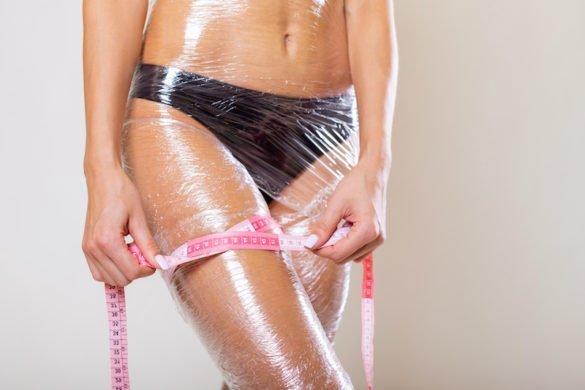
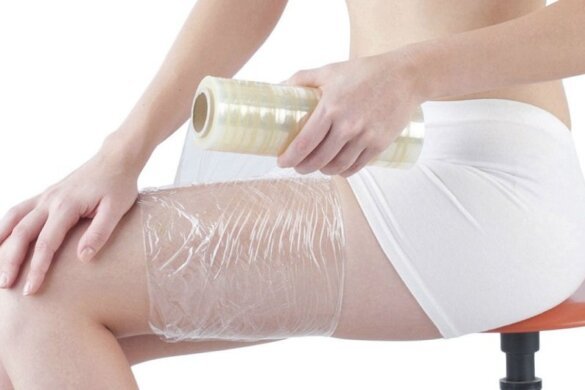
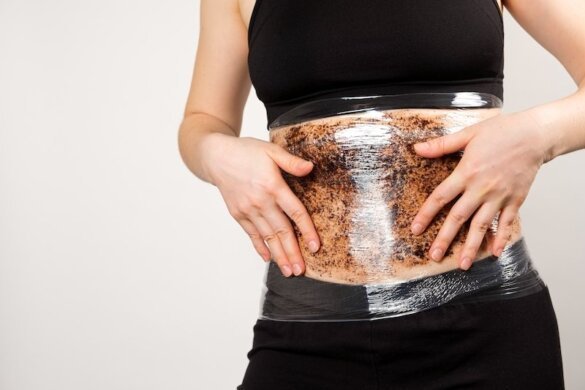
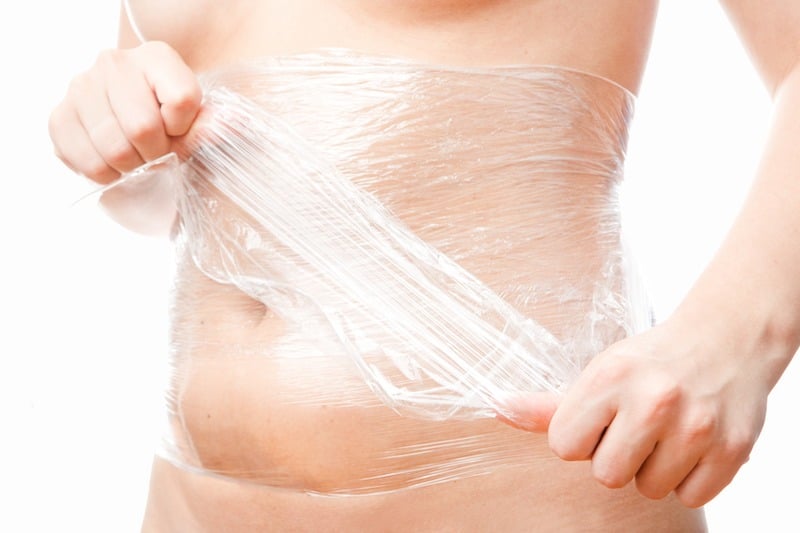
The body wrap technique using a wrap is simple to fit into your routine. It doesn’t take much time, just a few minutes a week. To do a wrap, you apply a blend of products or a treatment cream to the area of the body you want to focus on. You then wrap that area in cling film, making sure the product is well covered, and leave it on for a few minutes. Wrapping the area over the product helps stop the active ingredients from evaporating. There are also wraps in the form of large pre-soaked patches that can be applied directly to various parts of the body. The aim is for the active ingredients in the mixture or patch to stay in close contact with the skin. Beneath the film, the skin sweats and the area can look a little more streamlined, but only temporarily. There are several types of wrap to suit your needs and preferences.
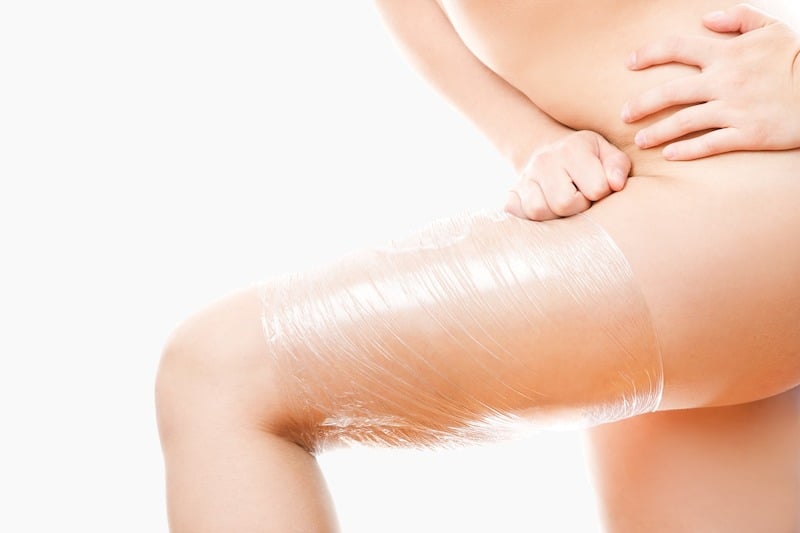
The different types of body wrap
Products to buy — or to make your own wrap — are available in health stores and beauty retailers. You can also order everything you need from trusted websites. There are mainly 3 types of wraps: the patch wrap, the DIY wrap, and the treatment wrap.
Treatment wraps
You’ll find wraps in the form of body masks in many beauty stores. These wraps can be formulated with plant-based ingredients, such as sacred lotus pro-sveltyl. Treatment wraps are used 2 to 3 times a week. Simply apply the product to the area you want to focus on, wrap it in cling film, and leave it on for a few minutes. Once rinsed off, skin feels soft, and leaving the product on is a genuinely relaxing moment.
The DIY wrap
You can also create your own homemade blend. It’s fairly straightforward to prepare a mixture yourself, choosing and measuring your own ingredients. Opt for natural products such as green clay, algae like spirulina powder, or essential oils. There are plenty of DIY wrap recipes available online. That said, making your own wrap takes time, and the effects tend to be short-lived since you mainly lose water.
Patch wraps
Patch-style wraps are made from a gel containing ingredients such as capsaicin or sophoricoside. Some are formulated with natural extracts like green tea leaves, guarana seeds, or jojoba seeds. Others may be infused with essential oils such as rosemary, lemon, grapefruit, or eucalyptus. Some patch wraps only act on the epidermis, the skin’s outermost layer. Any effects are therefore short-lived. Under the patch, your body will perspire, so you’ll lose water, but only for a few hours.
Which areas can body wraps be applied to?
You can apply wraps to different areas of the body:
- the stomach,
- the thighs,
- the hips,
- the buttocks,
- the waist,
- the arms,
- the calves
If you opt for a patch wrap, make sure to check which body areas it can be used on. Most of these wraps are designed for use on the stomach only.
Using a wrap on your stomach
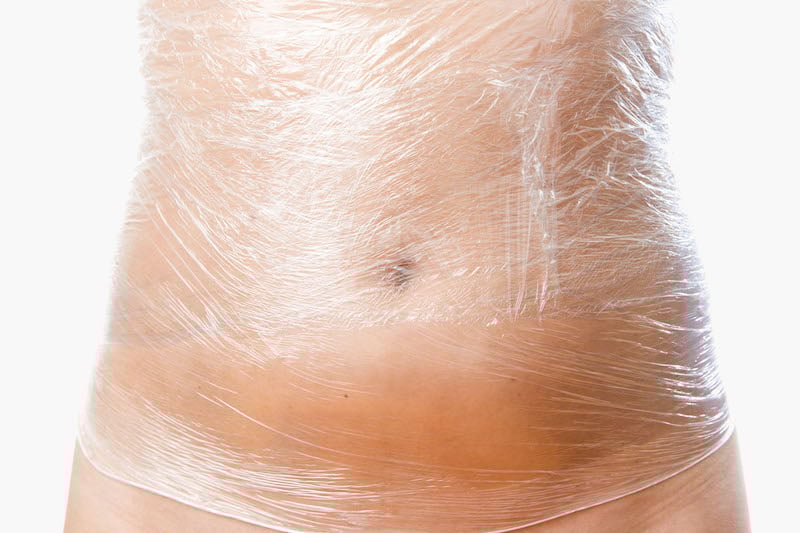
The stomach is one of the areas you can apply a wrap to. In fact, most patch wraps can only be used on this area. A treatment wrap or a homemade recipe can also be used there.
With a treatment wrap, the method is the same: apply the product to your stomach, wrap it in cling film so the product is well covered, then leave it on for a few minutes, 2 to 3 times a week. If you’re using a patch, always check which areas it can be applied to.
What can you expect from a wrap?
The area of the body where the wrap was applied may look a little slimmer just after application, but this effect is temporary. Patch wraps primarily work through perspiration. You’ll notice some water loss and the feeling of a slimmer silhouette. DIY wraps work in a similar way. However, the effect is only temporary: after a few hours, you’ll rehydrate and, in most cases, regain the centimetres lost. By choosing wraps formulated as treatments, you can make them part of a regular routine. Look for products with a clearly presented formula, so you can use them in the areas you target.
Frequently asked questions
Where can I buy a body wrap?
Wraps, or the ingredients to make your own, are available from organic shops, beauty retailers and trusted websites. First, choose the type that suits you best: a treatment applied under cling film, a homemade recipe or a patch (see the section on the different types of wrap).
How much does a body wrap cost?
The price mainly depends on the type you choose. A homemade recipe uses natural ingredients available from organic shops, but it takes time to prepare. Treatments and patches come ready to use: compare their ingredients and the areas they can be applied to before choosing.
What ingredients should I use for a homemade wrap?
Go for natural products such as green clay, algae like spirulina powder, or essential oils. You measure out your own ingredients according to the recipe you choose. For guidance, take a look at our article on homemade wraps, mentioned above in the section on DIY wraps.
Related articles
- How to Use a Massage Body Oil
- Why adopt a slimming dry oil?
- Effleurage massage: what slimming effects?
Useful categories: Slimming Care.
To go further, explore the Cellublue shop: our body care products.