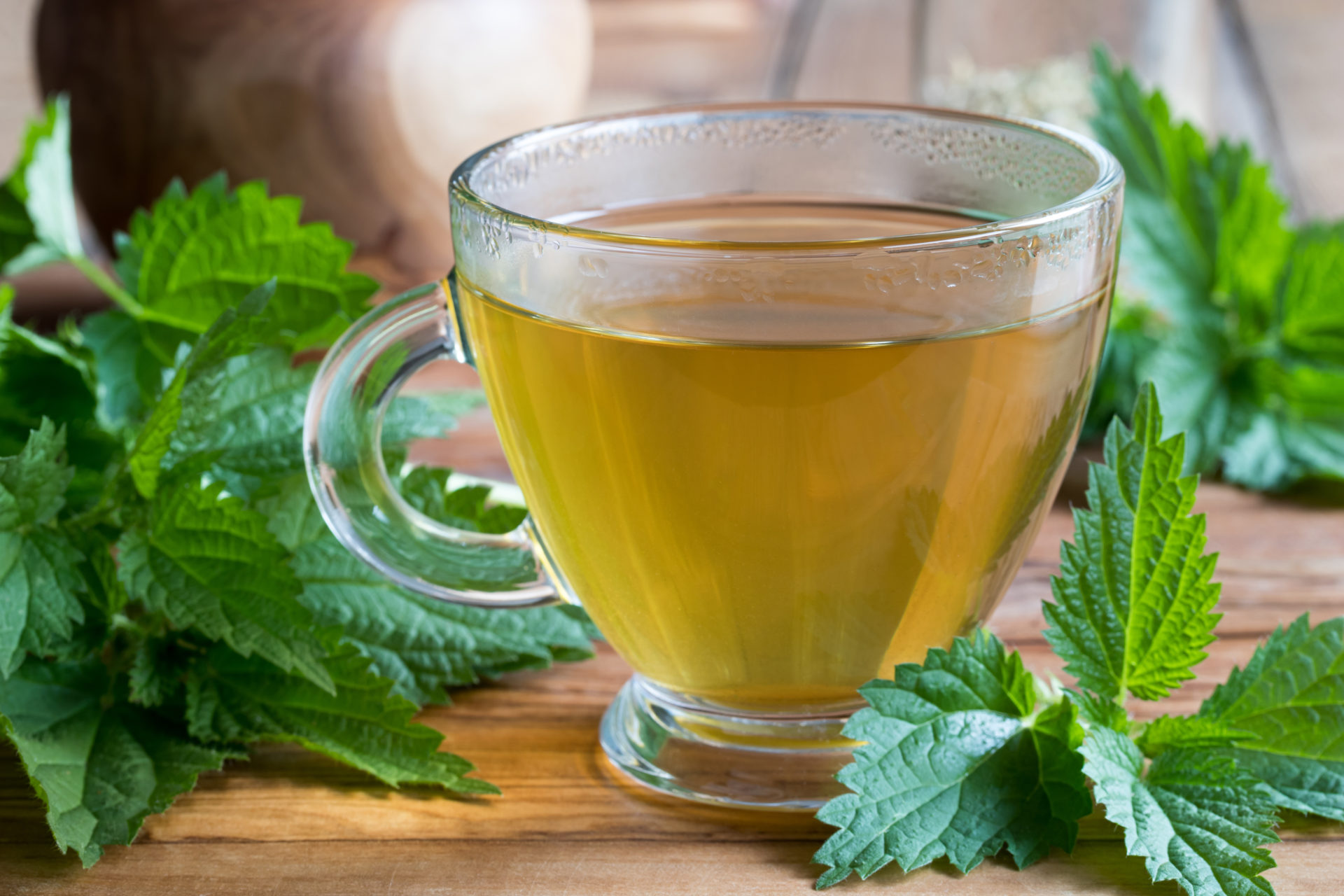
Nettle, the plant nobody loves… Long dismissed for its stinging, invasive nature, it is actually a treasure trove of benefits for the body — including when it comes to cellulite. Set aside your prejudices about this admittedly prickly plant, because it is remarkably effective at smoothing out those dimples.
What is nettle?
Nettle is a herbaceous plant found in temperate regions across the world. There are two varieties: common nettle (urtica dioica) and small nettle (urtica urens). Only the former has medicinal properties. Its active compounds are found mainly in its leaves — covered in long stinging hairs, ouch! — and its roots.
Benefits of nettle
Common nettle is a true all-rounder! Rich in chlorophyll, it also contains vitamins (A and C), minerals (calcium, potassium, silicon), amino acids, proteins and trace elements. Its therapeutic applications are wide-ranging:
- Diuretic and depurative: nettle is a natural drainer, used to support preventive drainage and urinary tract function.
- Anti-rheumatic: it is recommended as a poultice, combined with green clay, to relieve joint pain, osteoarthritis, as well as muscle soreness and sprains.
- Anti-inflammatory, analgesic and healing: it helps prevent and resolve inflammatory conditions, soothes pain and supports wound healing.
- Antimicrobial and anti-ulcer: nettle is the perfect ally for acne-prone skin.
- Hepatoprotective and hypoglycaemic: it supports healthy digestion and helps regulate blood sugar levels.
- Immunostimulating, toning and antioxidant: nettle supports the overall healthy functioning of the metabolism.
Nettle’s effects on cellulite
Nettle is a valuable ally in addressing cellulite, for two key reasons.
- Diuretic and depurative effect
Nettle is worth considering in the treatment of water-retention cellulite. This type of cellulite is directly caused by water retention. Water is naturally drained through the veno-lymphatic network towards the organs and cells that need it. When no longer required by the body, it is directed to the kidneys and eliminated through urine. However, when the veno-lymphatic system is sluggish, drainage becomes impaired and water stagnates in the tissues. Trapped beneath the skin, it causes oedema — abnormal swelling caused by fluid build-up. A vicious cycle begins: the pooled water compresses the already sluggish veno-lymphatic vessels, making retention worse… and cellulite along with it.
Thanks to its diuretic properties, nettle helps restore the body’s natural water cycle. Its detoxifying action also encourages the elimination of toxins and waste. As a result, water-retention cellulite gradually reduces in volume: oedema slowly subsides, and skin regains its firmness and tone.
- Digestive “boost” effect
Let’s talk about the liver! This organ, central to the body’s elimination process, plays a key role in healthy digestion — and much more. It metabolises sugars, fats and proteins, converting them into energy. But when any of these substances arrives in excess, the liver struggles to process the surplus. The result: it becomes congested and starts storing fat… which is one of the unfortunate causes of adipose cellulite.
Thanks to its hepatoprotective qualities, nettle helps the liver decongest and return to normal function. The plant’s hypoglycaemic properties also help regulate insulin levels — when too high, insulin encourages fat cells to store reserves. Nettle therefore plays a dual role in supporting healthy digestion.
How to consume nettle?
- As a drink
The simplest way to enjoy nettle is as an infusion. Nettle tea is made using the plant’s leaves or roots. It can be consumed daily over several months for a lasting effect on cellulite:
- Root infusion: boil 1.5 g of powdered roots for 10 minutes. Leave to steep for a further 10 minutes, then strain.
- Leaf infusion: boil 3 tbsp of dried nettle leaves in 500 ml of water.
You can flavour your nettle tea with lemon — it will only make it better. And as a bonus, lemon is a well-known anti-cellulite ally, featured in our detox infusion!

- Applied to the skin
Nettle can also be used topically. A few drops of nettle essential oil, blended with a natural vegetable oil (olive, sweet almond, wheat germ…), makes an ideal massage lotion to target cellulite. For an even more effective toning massage, use our Cellublue cup. It will make all the difference!

- Eaten
You can also consume nettle as food and enjoy all its benefits — both for tackling cellulite and for your figure, as it is very rich in plant-based protein (ideal for vegetarians) and low in calories. Two options:
- The quick option: nettle powder capsules are available. Be sure to consult your pharmacist before starting a course — they will guide you towards a quality product and advise on the correct dosage.
- The foodie option: nettle is edible and absolutely delicious! Sautéed, stuffed, as a pesto, in a soup — it lends itself to all kinds of recipes. To cook with it, you’ll need to go and pick it. You can harvest it from March through to late November — just make sure to wear gloves! And don’t worry: once cooked, it loses its sting entirely.