Sommaire
What are stretch marks?
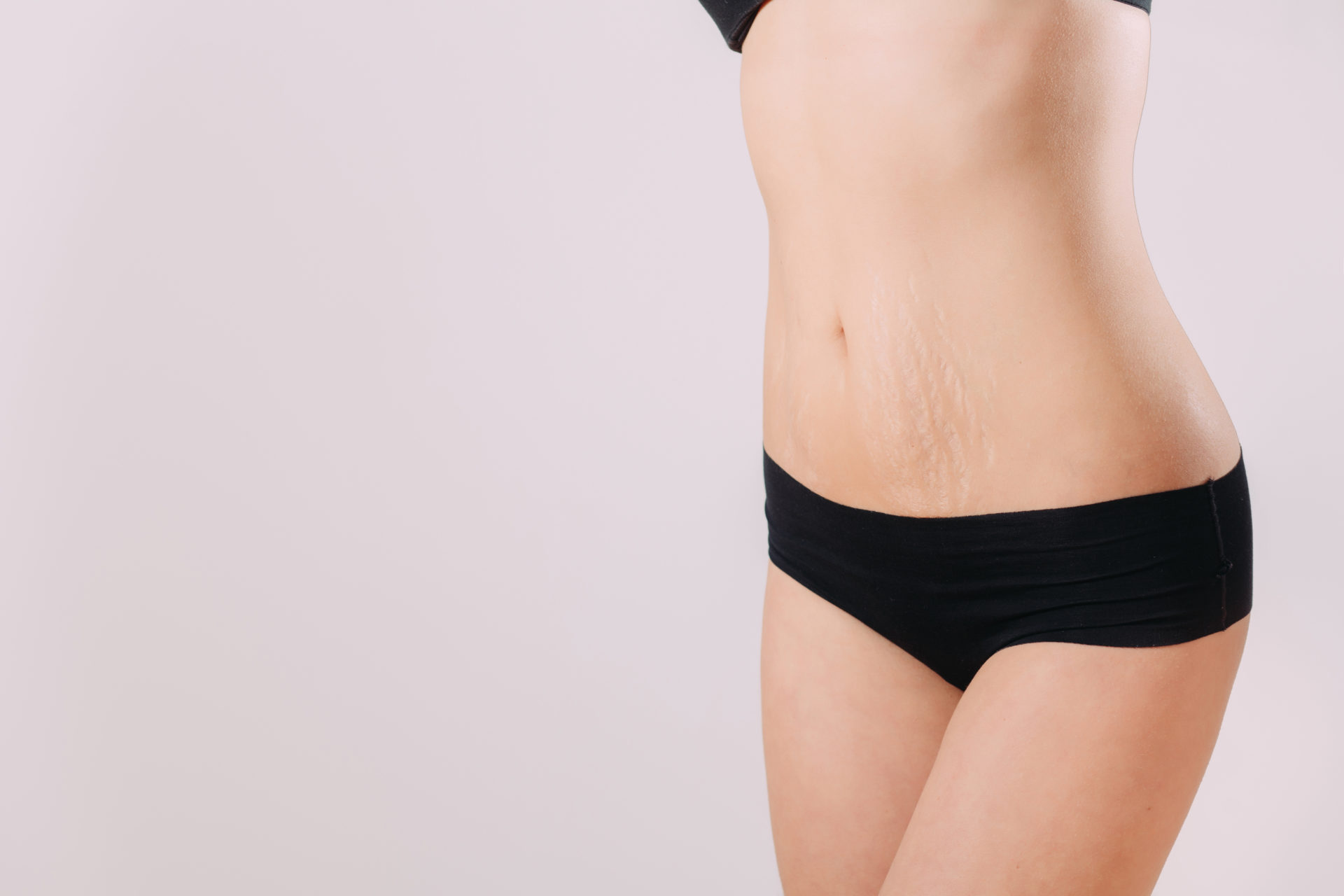
Stretch marks are linear skin lesions that are common among women – around 80% are affected. These fine, irregular streaks are, in most cases, caused by excessive, sudden and intense stretching of the skin. The elastic network of the dermis (the lower layer of the skin, located between the epidermis and the hypodermis), made up of collagen fibres and fibroblasts, gives way under the sudden and intense distension. The result: stretch marks. They are not scars, but fissures caused by micro-tears in the collagen and elastin fibres.
Types of stretch marks
1- Coloured stretch marks
When they first appear, stretch marks are often (though not always) coloured. The skin is in an inflammatory state and, at the site of the fissures, it takes on a red or even purple hue. The colouring can be alarming, but red stretch marks are not painful. The red or purple colour of inflammatory stretch marks is caused by local dilation of the blood vessels.
2- White stretch marks
Once the inflammatory phase has passed, the skin begins its regeneration process. It creates new elastic fibres to maintain sufficient suppleness. However, these “neo-fibres” will be finer than the previous ones. This scar tissue causes slight depigmentation and a cracked appearance of the epidermis. Existing stretch marks lose their reddish colour, giving way to a pearly white shade – the result of the healing process. Non-painful and soft to the touch, white stretch marks never disappear completely. However, it is possible to improve their appearance.
Stretch marks and pregnancy

Stretch marks and pregnancy are closely linked. During a first pregnancy, 50 to 70% of women notice the appearance of stretch marks, often during the last trimester. They tend to concentrate on the stomach, but can also affect other areas of the body. Several associated factors are responsible.
1- Weight gain
Of course, pregnancy involves weight gain. The skin of the stomach is subjected to constant and increasing tension over the months. In most cases, the dermis cannot sustain this ongoing stretching and the collagen fibres eventually break – leading to the appearance of abdominal stretch marks. Some pregnant women also gain weight around the hips and thighs, which can also trigger stretch marks. Finally, the bust of pregnant and breastfeeding women is equally prone to stretch marks. Indeed:
- The skin of the breasts is naturally very thin and drier than on the rest of the body.
- During pregnancy, the mammary glands responsible for producing milk develop and the milk ducts multiply, causing a sudden and sometimes significant increase in breast volume.
- Blood and lymphatic circulation intensifies to ensure optimal functioning of the mammary glands, also leading to an increase in volume that may require greater skin elasticity.
2- Hormonal upheaval
The endocrine disruption that pregnancy entails has a significant impact on the body. Hormone production fluctuates considerably to ensure the smooth progress of gestation, childbirth and breastfeeding. Among these hormones, cortisol plays a key role: stress management, food metabolism, blood pressure regulation… Pregnancy triggers an increase in cortisol levels – 50% higher than normal between the 3rd and 9th month. But this rise in blood cortisol levels causes numerous issues, including:
- Weight gain in the upper body (shoulders, bust, back, abdomen)
- Fragility of the skin and blood capillaries, with the possibility of bruising, purpura and inflammatory stretch marks on the stomach, hips and bust
3- Possible skin dryness
Pregnancy significantly alters the nature of the skin. Some women will notice changes in facial pigmentation (chloasma), others will experience excess sebum production, and some will find their skin becoming dry. Tightness, itching and roughness are all signs of a loss of hydration in the dermis. Dry skin during pregnancy can weaken the skin’s natural elasticity. This temporary fragility can lead to a breakdown of collagen fibres – and consequently, stretch marks.
Causes of stretch marks
As you will have gathered, pregnancy is one of the main causes of stretch marks. However, it is not the only reason.
1- Adolescence and puberty
A pivotal moment in a person’s life, adolescence brings many physical changes that can lead to inflammatory stretch marks.
- Growth stretch marks: these are common and affect both boys (10%) and girls (25%). They result from a “desynchronisation” between bone growth and skin elasticity. Puberty growth spurts can be rapid and intense, meaning the skin cannot keep pace. The result: stretch marks appear on certain areas of the body where the collagen fibres have given way. In boys, stretch marks are often seen around the pelvis and lower back, while in girls, the bust, hips and thighs tend to be more affected.
- Changes in body shape: in girls, the onset of the menstrual cycle triggers changes in body shape – breast development, widening of the hips, thickening of the thighs. If these changes occur too suddenly, stretch marks are likely to appear.
- Elevated cortisol: as explained above, high cortisol levels and skin lesions are linked. And adolescence, a period of hormonal upheaval, is often associated with elevated cortisol levels, which can accelerate the loss of skin suppleness and the formation of stretch marks.
2- Weight fluctuations
Sudden weight loss and weight gain can put the skin under serious strain!
- Weight gain: the excessive and rapid pressure on the dermis that follows weight gain can have damaging consequences, including stretch marks. Fibroblasts cannot sustain the tension generated by the increase in volume (greater fat mass), causing the elastic fibres to give way.
- Weight loss: during drastic weight loss (due to a strict diet or illness), the body suffers a deficiency that affects all organs, including the skin. Suddenly weakened, it loses its elasticity. Moreover, the tension to which the dermis was “normally” subjected disappears abruptly – which is enough to cause distension and even stretch marks.
3- Muscle hypertrophy
Stretch marks can also appear following intense and rapid muscle mass gain. The cause: muscle development, which subjects the skin to sudden distension. The skin sometimes cannot keep up with this unexpected muscle growth. The elastic fibres break under the strain, forming stretch marks on the most heavily worked areas. Certain sports are particularly conducive to the appearance of stretch marks: weight training, bodybuilding, weightlifting and high-impact sports. As a result, some athletes notice stretch marks in areas that are not usually affected: arms and shoulders, chest, calves.
4- Stress
The human body produces two substances in response to stressful and dangerous situations: adrenaline and cortisol. Adrenaline is a neurotransmitter that acts on heart rate, blood pressure, the dilation of airways and the nervous system, generating an enhanced capacity for defence mechanisms. Cortisol, on the other hand, is a hormone produced by the adrenal gland, gradually and throughout the day. It is the body’s response to everyday stressful situations – from the simple need to wake up early, to the need to quickly memorise a large volume of information (short-term memory).
What happens when the brain is constantly under stress? Cortisol levels skyrocket. The effect on the skin is particularly damaging: high blood cortisol levels alter the skin’s properties – for example by causing the thinning of connective tissue (the well-known collagen fibres). The skin becomes thinner and drier, marks very easily and can deteriorate in depth. Stretch marks then appear.
5- Medical treatments
- Corticosteroids: cortisone is often prescribed as an anti-inflammatory treatment (for rheumatism, allergies), in oral, topical or injectable form. However, corticosteroids are not without side effects. Taken over the long term, they can cause significant weight gain, muscle wasting, osteoporosis and skin deterioration, of which stretch marks are one manifestation.
- Hormonal treatments: as mentioned above, hormones play a key role in skin quality. In women, the use of hormonal contraceptives containing oestrogens and/or progesterone, or hormone replacement therapy during menopause, can have damaging effects on the dermis and lead to the development of stretch marks.
6- Cushing’s syndrome
Cushing’s syndrome, or “chronic hypercortisolism”, is a disease of the adrenal gland – which is responsible for secreting cortisol into the blood. The condition can have various origins: iatrogenic (prolonged and/or excessive use of corticosteroids), tumour, adenoma. This syndrome has damaging effects on the body, and particularly on the skin. Patients may present with unexplained bruising, acne, thinning of the dermis and the development of wide, purple stretch marks. These stretch marks are particularly concentrated around the abdomen (stomach, hips, lower back, sometimes the bust) and are often vertical. Their development is worsened by the vertebral compression caused by the condition.
Preventing stretch marks
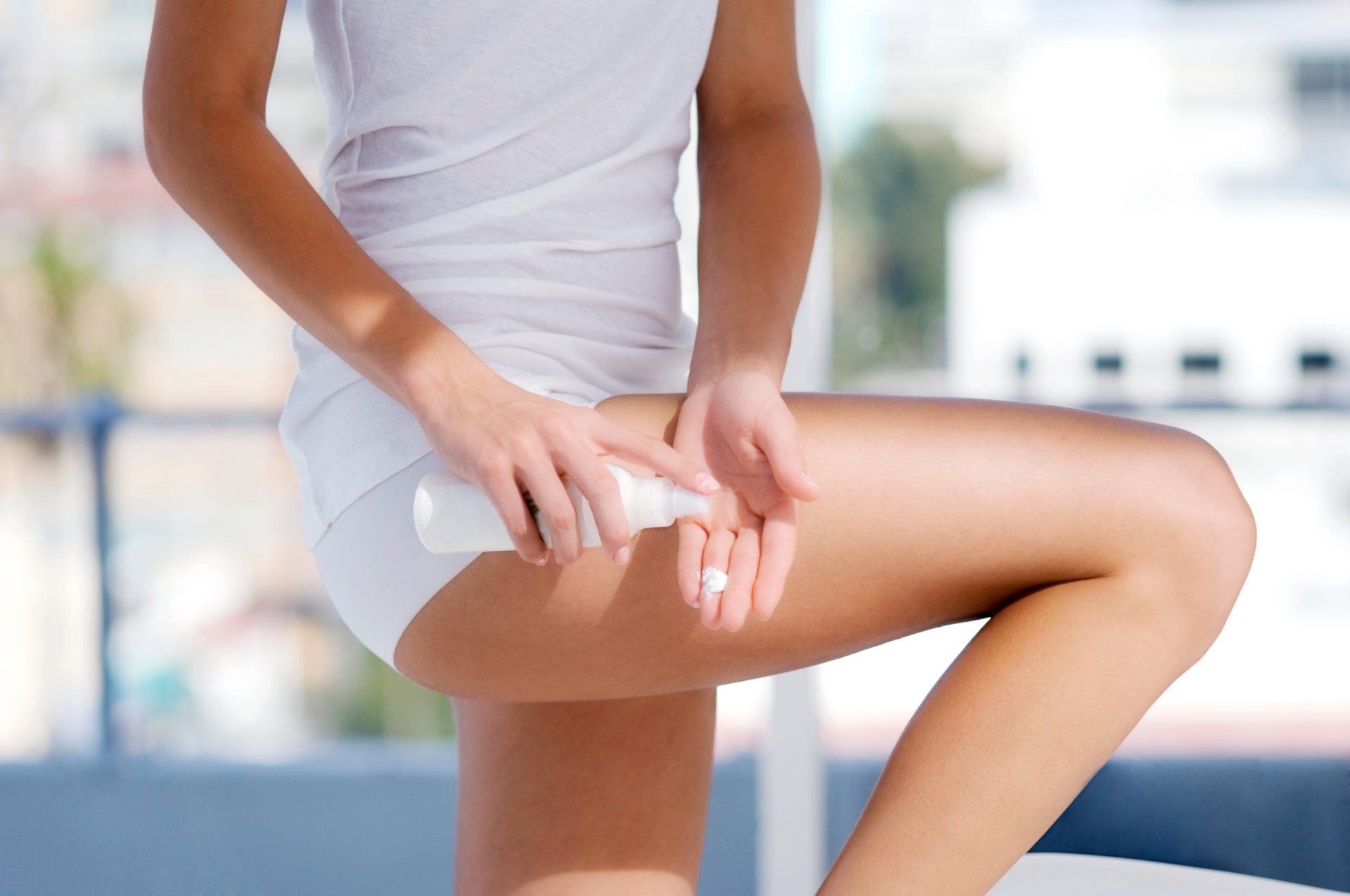
Preventing stretch marks is a complex matter, as their appearance is often unpredictable and beyond our control. However, appropriate lifestyle and dietary measures can improve skin health and help avoid certain skin lesions.
1- Choosing a suitable diet
Certain foods are particularly beneficial for the skin and support the production of collagen and elastin. A deficiency in these two proteins can contribute to the appearance of stretch marks. A well-balanced diet helps prevent any such deficiency.
- Vitamin C (or ascorbic acid): it naturally supports collagen production. It is found in fresh produce such as blackcurrants, parsley, kiwi, broccoli and citrus fruits.
- Vitamin A (or retinol): it stimulates skin cell renewal. It is found mainly in liver (cod, veal, poultry) and dairy products (butter, crème fraîche, cheese).
- Vitamin B5 (or pantothenic acid): it is essential for tissue growth and the skin’s healing process. It is found in brewer’s yeast, offal (especially liver), wheat germ and certain cheeses (goat’s cheese, camembert).
- Copper: this trace element is a powerful antioxidant that supports melanin production. It is found in offal, cocoa, dried fruits and shellfish (whelks, periwinkles).
- Silicon: it stimulates collagen production in bones and connective tissues. It is found in whole grains and certain dehydrated foods (additives), such as dehydrated soups or freeze-dried coffee.
- Zinc: this trace element supports good skin health and helps stabilise many hormones. It is found in meat (liver, beef), oysters, whole grains, cocoa and dried fruits (cashews, pine nuts, pecans).
- Vitamin E (or tocopherol): it works in synergy with vitamin C in the skin’s regeneration process. It is found in natural vegetable oils (sunflower, rapeseed, olive), oil-rich nuts and seeds (almonds, walnuts, hazelnuts), dried fruits (prunes, apricots), avocado, shellfish and oily fish.
2- Keeping your body and skin hydrated
Good hydration is the greatest ally of beautiful skin and overall wellbeing. To help prevent the appearance of stretch marks, it is essential to maintain:
- Body hydration: drinking water, still or sparkling, at a rate of 1.5 to 2 litres per day, remains the best way to stay hydrated. Herbal teas, freshly pressed juices, milk, broths and soups are also excellent options.
- Skin hydration: the skin contains between 20% and 30% water – which shows just how vital hydration is. Using nourishing products to maintain the dermis’s hydrolipidic film is an effective way to keep it healthy and prevent stretch marks. Certain natural actives are particularly beneficial for the skin, such as plant butters (cocoa, shea) and natural vegetable oils (jojoba, olive, sweet almond, argan, avocado…).
3- Staying physically active
Some sports can have a damaging effect on the skin if they place particular strain on a specific area of the body and/or lead to rapid muscle mass gain. However, physical activity is essential for good skin health and, consequently, for preventing stretch marks. Exercise helps maintain a stable weight, prevents skin ageing, supports the tone of the veno-lymphatic network and lowers blood cortisol levels. Gentle sports are preferable, as they allow muscles to develop harmoniously without causing skin trauma.
4- Additional tips
Finally, it is important to:
- Manage your weight by adopting a balanced diet and avoiding sugars, saturated fats and alcohol. As mentioned above, weight fluctuations are a contributing factor in stretch marks.
- Consult your doctor if you suspect an underlying condition or an unsuitable treatment that could be causing stretch marks.
- Seek advice from an endocrinologist if a hormonal imbalance is suspected.
Treating stretch marks
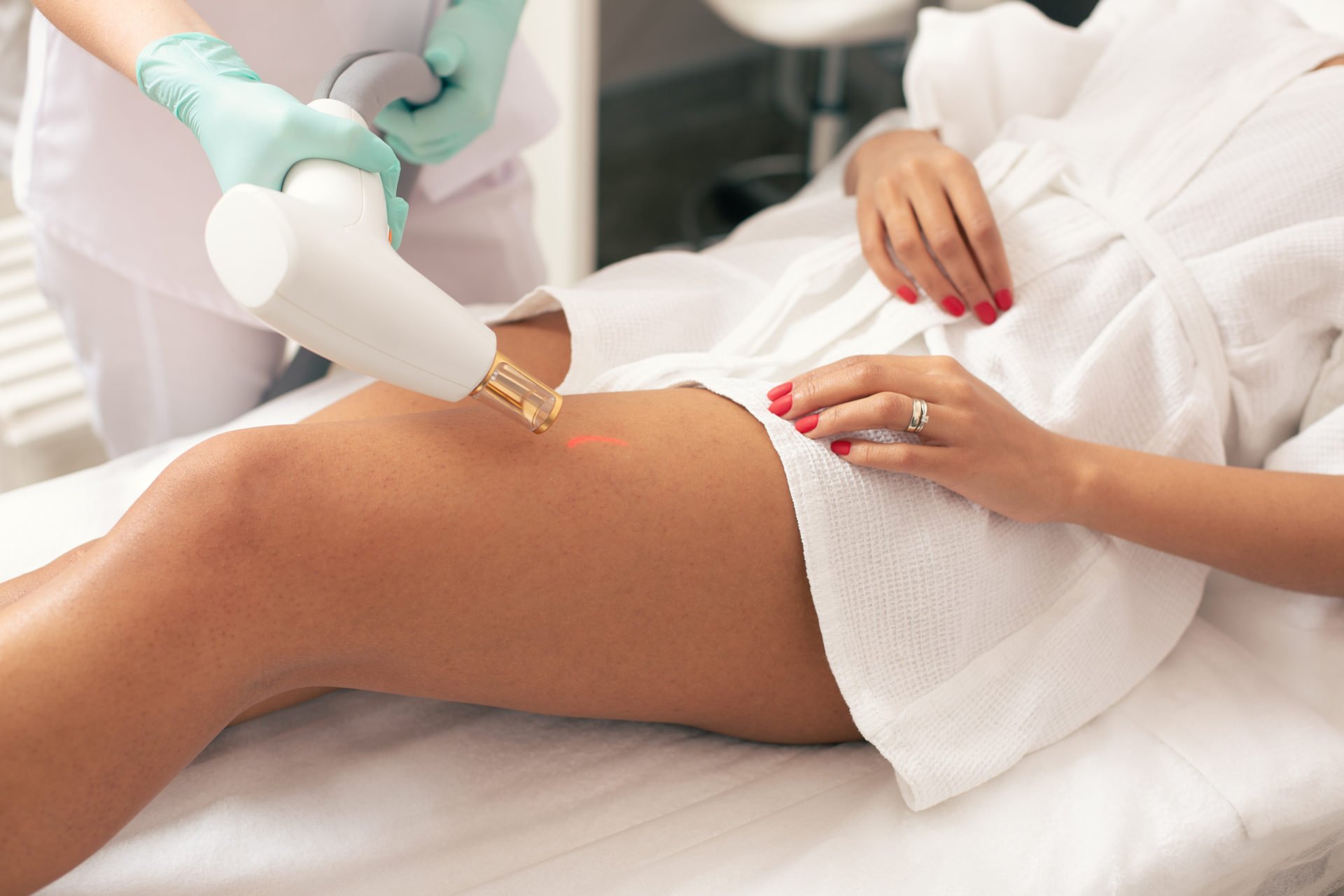
Adopting a series of lifestyle and dietary measures to prevent stretch marks is strongly recommended. However, their appearance is an unpredictable and often inevitable phenomenon, despite one’s best efforts. Once they have appeared, stretch marks never disappear completely. That said, it is possible to improve their appearance. Treatments are more effective on new (red) stretch marks than on atrophic (white) ones.
1- Technical solutions
Aesthetic and dermatological medicine has paid particular attention to the subject of stretch marks. These skin lesions are a source of self-consciousness for many people, and numerous techniques have been developed over the years. They aim to:
- Boost collagen production
- Plasma injections (or PRP) stimulate the stem cells of the dermis, which are responsible for collagen production.
- Carboxytherapy (injection of sterile medical carbon dioxide) improves microcirculation and promotes healing and tissue renewal.
- Microneedling is a minimally invasive procedure that involves rolling a device fitted with tiny needles over the skin. These needles penetrate the dermis and create micro-perforations. The healing process then encourages collagen production.
- There are various procedures using laser technology, all of which aim to stimulate dermal regeneration.
- Treatment using an LED lamp aims to improve the tone of fibroblasts, which are responsible for generating the dermis’s elastic fibres.
- Radiofrequency is also a technique for stimulating fibroblasts, using the emission of uniform heat.
- Smoothing the epidermis
- Peeling – mechanical (or dermabrasion) or chemical – involves removing dead skin cells (through exfoliation or a chemical process) to smooth the skin’s surface and stimulate cell renewal both at the surface (epidermis) and in depth (dermis).
- Cosmetic and reconstructive surgery is only suitable for certain types of stretch marks. Possible procedures include abdominoplasty, particularly for post-pregnancy stretch marks, and skin removal on the limbs (arms, thighs) – only when the quality and quantity of excess skin is deemed appropriate.
2- Medical solutions
Certain medications may be prescribed as a preventive or curative treatment for stretch marks. Hyaluronic acid and retinoic acid are the most commonly used molecules. To benefit from these treatments, it is essential to consult a doctor or dermatologist, who will be able to assess the condition of the stretch marks. Any treatment may indeed carry unwanted side effects.
3- Cosmetic solutions
Finally, skincare is an effective solution for reducing the cracked appearance of stretch marks, improving skin quality and stimulating the skin in depth by nourishing it. The composition of the products used is therefore a key consideration. Natural vegetable oils and essential oils (with the exception of pregnant and breastfeeding women, as some are contraindicated) are premium ingredients worth considering.
The best approach is to follow a consistent stretch mark routine to achieve optimal results:
- A gentle scrub on the areas affected by stretch marks, to remove dead skin cells and smooth the skin’s texture.
- A rich cream to deliver deep hydration to the skin and help prevent the appearance of stretch marks.
- A treatment oil (a blend of nourishing and restorative oils), to be applied with regular massages, helping the skin to heal, regenerate, protect itself and restore its hydrolipidic film.

Still not convinced by the effectiveness of our stretch mark products?
Discover Lili’s before-and-after photo and her review after 1 month of using our stretch mark products:
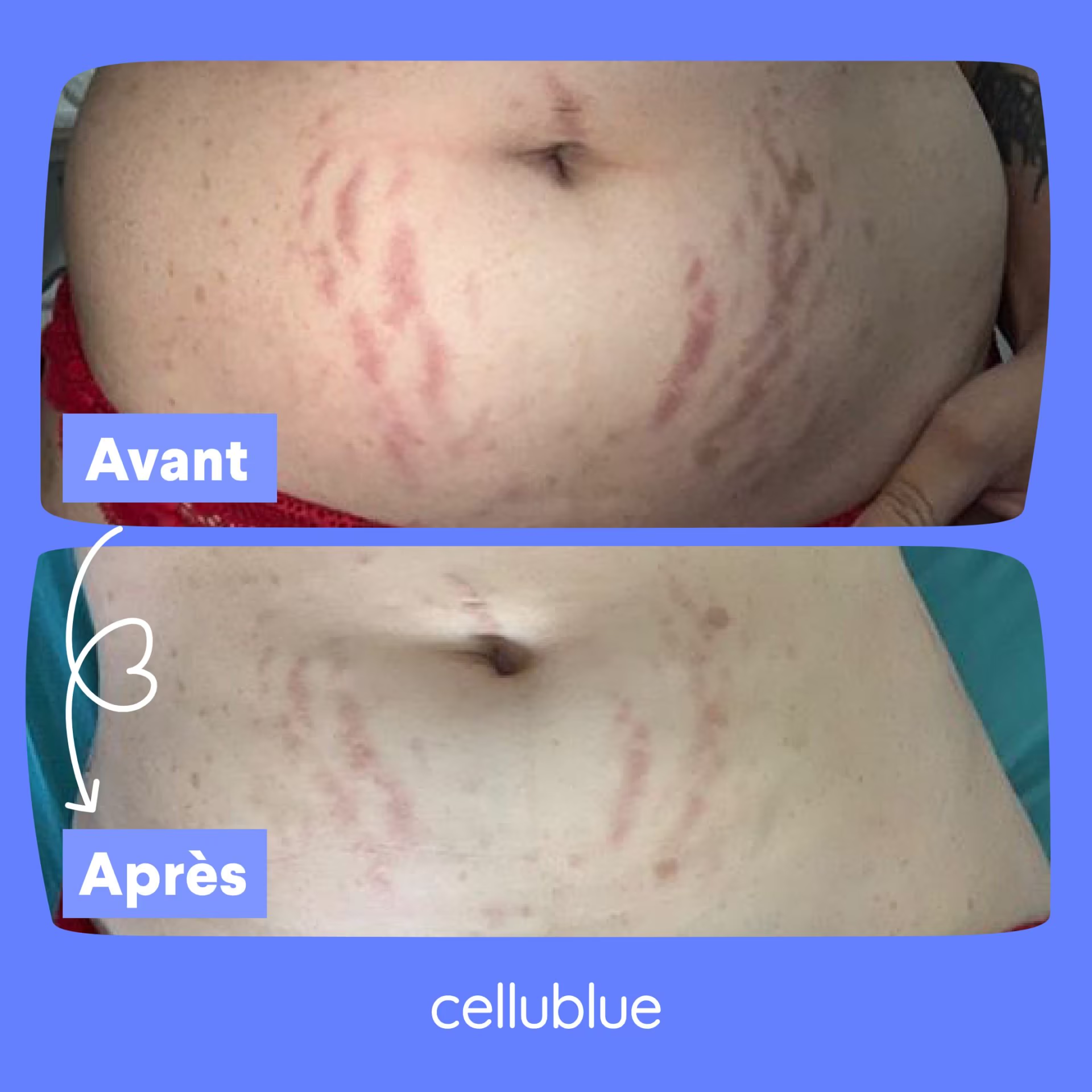
“If it takes you a while to see results, don’t worry, ladies. Every woman is unique, every body responds differently and at its own pace. Stretch marks (especially white ones) take a long time to fade. So don’t give up 💪 If you follow our advice and our routine, you will see results – that’s for sure! ”