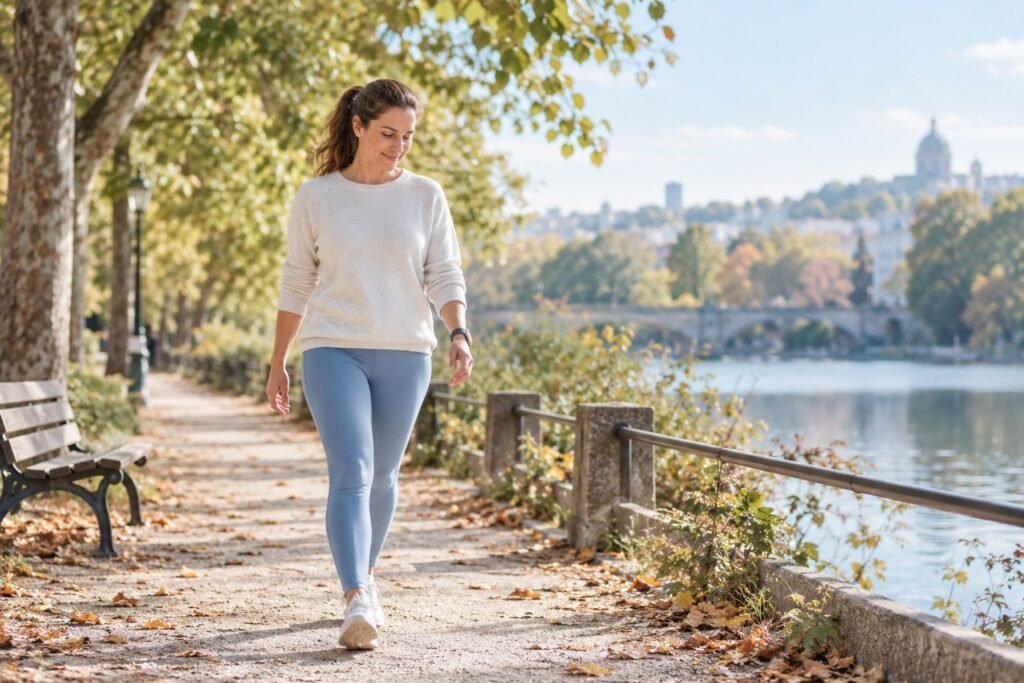
You do not have to walk 10,000 steps every day. That number can be motivating, but it is not a universal minimum recommended by the WHO. Your walking goal can depend on how active you are now, what feels manageable and how much time you have.
If your tracker shows 6,000 or 8,000 steps, you have not failed. And even at 10,000 steps, you may not have met every physical activity recommendation.
Recommendations focus on activity, not a step quota
The World Health Organization says that all physical activity counts and that some is better than none. Its recommendations cover the time you spend moving and the intensity of that activity. They also include muscle-strengthening activities and limiting sedentary time, but do not prescribe a daily step count.
For adults aged 19 to 64, the NHS provides these guidelines:
- At least 150 minutes of moderate-intensity activity per week, or 75 minutes of vigorous activity, or a combination of the two.
- Muscle-strengthening activities that work the major muscle groups on at least two days a week.
- Less time sitting and regular breaks from long periods without movement.
A step count alone cannot tell you whether you have met these guidelines. A gentle stroll and a brisk walk can add up to a similar number of steps, even though their intensity differs. Activities such as cycling and swimming also feature in the NHS guidance.
You can read more in our article on the benefits of walking. Current official recommendations do not make 10,000 steps a compulsory minimum.
Set a goal that fits your everyday life
Look at several ordinary days
Before changing your app’s target, check your step count over a few days of your usual routine. Include working days, days off and your regular journeys to get a clearer idea of where you are starting.
You may walk less when working from home than on a family outing or a day spent on your feet. Keep that context in mind: an unusually high count may not be a helpful starting point for your next goal.
 -26%
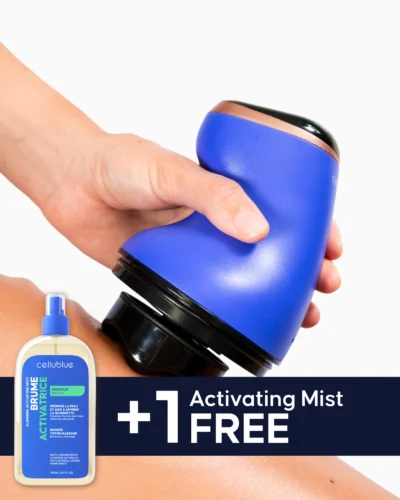
-26%The cordless massager: 2 900 rotations per minute to stimulate your skin
- A deep mechanical massage: rotations and vibrations, up to 2 900 turns per minute, knead the skin on your thighs, stomach, arms and bottom
- 2 complementary heads: the ball head kneads deep down, then the wave head smooths and tones the surface
- 5 intensity levels on a touchscreen, a blue light, cordless and quiet
Add a change you can repeat
If you currently walk very little, reaching 10,000 steps could mean a big change to your routine. Try extending a regular journey or making time for a short walk.
Neither suggestion sets a minimum you need to reach for your health. In its advice on walking in everyday life, the NHS recommends gradually increasing the distance if you are not very active and are able to walk.
If you are returning to exercise after a long break, have a health condition or have any concerns, ask your doctor for advice before starting again. For ideas on finding an activity you enjoy, have a look at our article on how to get into sport.
Choose between a step goal and a time goal
If you enjoy tracking your steps, keep using them. You can also set a walking-time goal if you would rather leave the screen alone.
Start with a short walk during a break. Once you know how it fits into your day and how you feel, you can adjust the duration. There is no need to settle on a final target before you begin.
What should you look at besides your step count?
Is your goal helping you move more? Is some of that walking brisk enough to count as moderate-intensity activity? Notice how you feel, too: your routine should be manageable without pain or unusual fatigue.
According to the NHS, moderate-intensity activity makes you breathe faster and feel warmer. You can still talk, but you cannot sing. This is a useful way to judge your pace, since a brisk walk will not be the same speed for everyone.
Pay attention to how long you spend sitting, too. A walk does not replace breaks from long periods without movement. When you have a chance, get up and move around. You do not have to turn every break into a timed workout.
Adjust your target on less active days
If you miss your target, you do not have to double the distance the next day. Pick up your usual habits when your time and energy allow. There is no “step debt” to repay.
| Your situation | A possible adjustment |
|---|---|
| You are short on time | Take a short walk that fits into your day. |
| You have been swimming or cycling | Take the duration and intensity of that activity into account, even if it does not show up in your step count. |
| You feel tired or experience pain | Ease off rather than pushing to reach the quota; ask for advice if it persists. |
| Your tracker makes you feel pressured | Try tracking walking time or habits instead. |
Our article should you exercise every day? looks at the difference between everyday movement and workout sessions.
Make room for strength training
Walking more does not replace the strength training recommended by the NHS. If you exercise at home, choose simple strengthening activities that suit your abilities and the equipment you have.
FAQ: using the 10,000-step benchmark
Can I keep this goal if it motivates me?
Yes, if it suits your abilities and feels comfortable. Leave yourself room to adjust it, especially when you are tired.
Do several short walks count?
Yes. A brisk ten-minute walk contributes to your weekly total. You can spread your walking time across the day rather than doing it all in one outing.
Do you always need to walk quickly?
No. The WHO says that all activity counts. For a walk to count towards your moderate-intensity activity minutes, it needs to be brisk enough to reach that intensity. Use the NHS guide: you should be able to talk, but not sing.
To go further, explore the Cellublue shop: our anti-cellulite products.
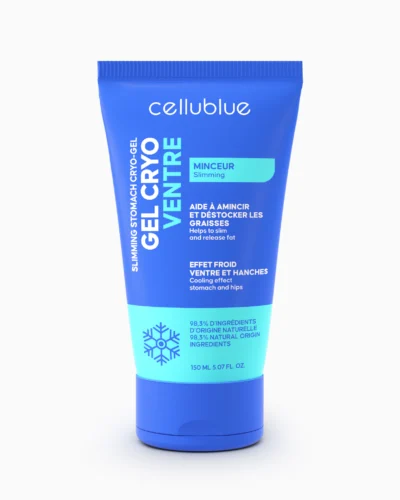
The cooling gel that leaves the skin on your stomach firmer
- Arctic Algae, Prosveltyl® & Menthol, combined in a formula designed for the stomach and hips
- Sorbet texture: it absorbs faster and makes the fresh sensation last longer
- 🍃 98.3% natural-origin ingredients

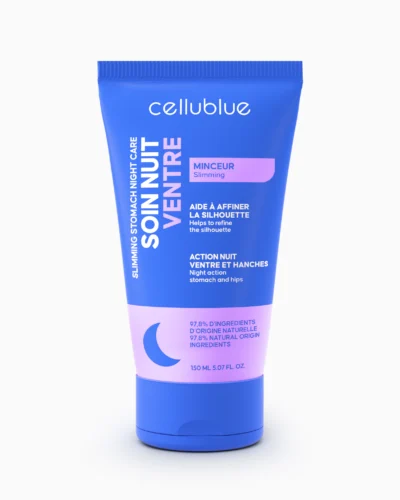
The evening treatment with Ginger & Slimsize® for the belly and hips
- Targeted night treatment for belly & hips, to massage in every evening before bed
- Ginger & Slimsize®, with a patented active ingredient at the heart of the formula
- Helps smooth and firm the skin

Comments (0)