
While seaweed is a staple at almost every meal across Asia, it remains relatively uncommon on French plates. Yet these “vegetables of the sea” are excellent for reducing cellulite, maintaining a healthy weight, and supporting overall wellbeing! Discover all their benefits and simple ways to incorporate them into your diet. Ready to add seaweed to your plate?
Sommaire
Eating seaweed – but which ones?
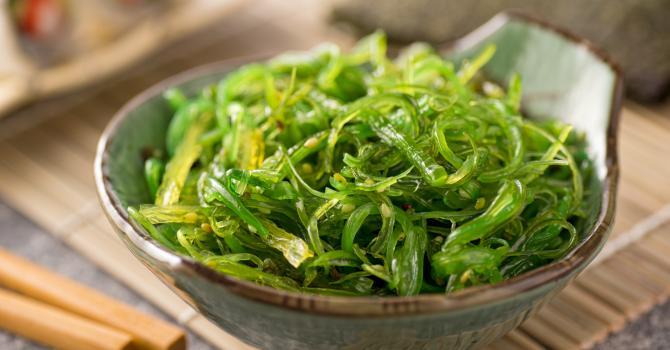
Don’t worry – when we talk about seaweed, we’re not asking you to eat what washes up on the beach. Only a handful of the 25,000 existing species are actually edible. Among the easiest to find in supermarkets are nori, spirulina, agar-agar, kombu, and wakame. You can find these seaweeds fresh, dried, or canned, in most health food stores or in the specialist aisles of larger supermarkets.
Why eat seaweed?
 They help us fight cellulite
 They help us fight cellulite
Thanks to their high mineral content, seaweeds help eliminate toxins that have built up in the body – an essential step when you want to say goodbye to dimpled skin! Their significant fibre content and low calorie count make them powerful allies for curbing snacking and preventing fat from being stored as cellulite. On top of that, the antioxidants found in seaweed help improve skin quality, leaving it smoother and firmer. In short, seaweed ticks every box when it comes to tackling cellulite!
They are rich in protein
Protein is essential for the proper functioning of our bodies. If you’re looking for an alternative to traditional animal proteins, seaweed is an excellent way to get your daily intake. Some varieties contain up to 70% protein – with spirulina leading the pack.
They contain essential minerals and vitamins
Copper, iron, zinc, vitamins of all kinds, calcium, magnesium, potassium… All these nutrients are vital for good health and for fighting cellulite. And the good news is that seaweed contains them in impressive quantities!
Seaweed is an excellent source of fibre
If you still have doubts about the importance of getting enough fibre every day, feel free to take a look at this article. Adding seaweed to your meals will help you effortlessly reach your recommended daily fibre intake. Hello, flat tummy!
They are very low in calories
With seaweed, there’s no risk of gaining weight! 100g of seaweed amounts to around 250 calories – and when you use dried seaweed, you only need about 5g per serving.
They can replace chemical additives
Some seaweeds have remarkable properties. They can be used as a preservative, gelling agent, or thickener, replacing chemical additives in many recipes. Seaweed can also be used as a salt substitute – and that’s great news for our cellulite!
How to eat seaweed?
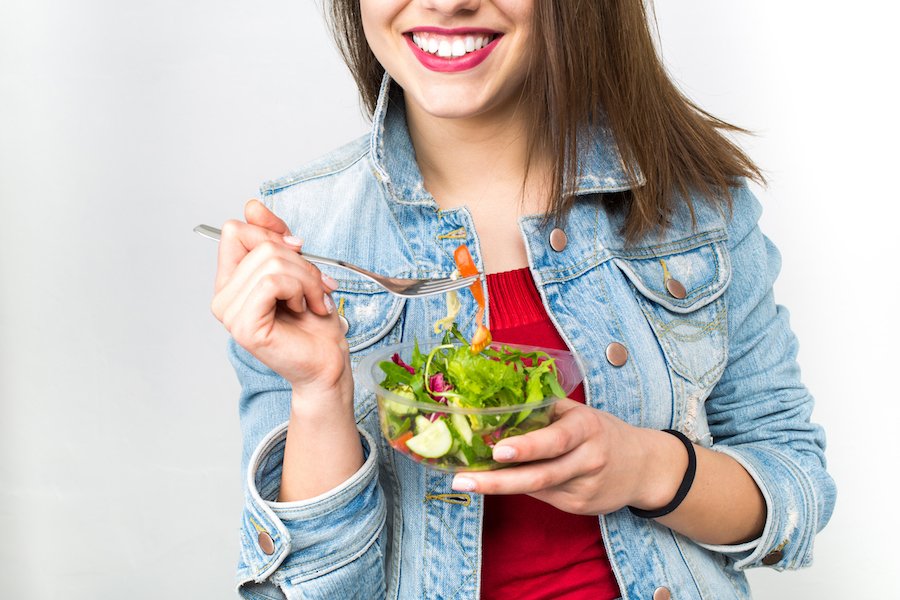 In dried form, seaweed is very easy to use. Simply crumble it and sprinkle it over your soups, salads, or vegetables.
If you buy fresh seaweed, make sure to rinse it thoroughly before use. You can then serve it as a side dish, warm or cold, drizzled with a little olive oil.
And if you’re not quite ready to cook with seaweed, look out for natural capsules containing seaweed extracts, available at pharmacies. You’ll get all the benefits without having to add anything to your recipes.
Spotlight on spirulina, the superstar of seaweeds
 You’ve probably already heard of it – spirulina is the superfood that every fitness enthusiast swears by! But what are its benefits? How should you take it? And are there any side effects to be aware of?
When you look at its nutritional profile, spirulina stands out for several reasons…
- Spirulina is one of the seaweeds known for its appetite-suppressing effect. This can be helpful if you tend to eat more than your body needs and find it hard to cut back on portions. By incorporating spirulina into your diet, you can help regulate your appetite and avoid storing excess fat as cellulite.
- Spirulina is exceptionally rich in iodine. Iodine is known to support metabolism and enhance fat burning. Adding this seaweed to your diet can help your body process fats before they settle in and form unwanted dimples.
- A small daily dose of this seaweed is enough to enjoy its benefits – meaning it adds a negligible number of extra calories to your diet!
- What’s more, spirulina is made up of 60% protein! These proteins are rich in amino acids, particularly leucine – the most important amino acid for building muscle. In short, spirulina can help make your workouts more effective by supporting muscle development. It’s the ideal seaweed for active women.
- Spirulina also contains polyunsaturated fatty acids, including omega-3 and omega-6, which are excellent for cardiovascular health. Studies have shown that people consuming 4g of spirulina per day experienced a significant reduction in their bad cholesterol levels.
- Finally, this seaweed is packed with vitamins, minerals, and chlorophyll, making it a top choice for supporting the immune system and keeping fatigue at bay. Studies conducted on athletes have shown that 5g of spirulina per day helped reduce tiredness and improve performance.
How to use spirulina?
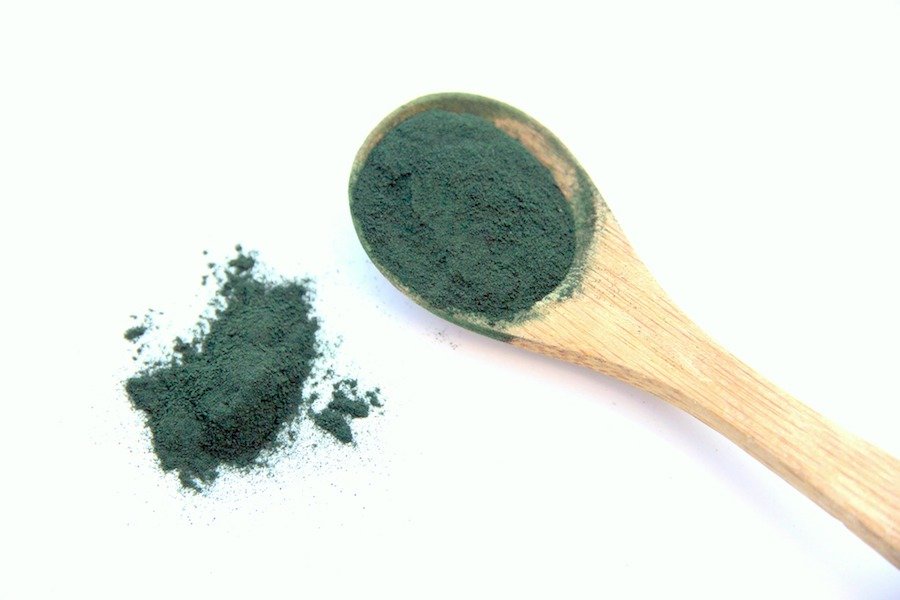
Like other seaweeds, spirulina can be taken as tablets or in powder form, added to smoothies, juices, yoghurts, porridge…
The powder form is generally recommended, as it is pure and not mixed with other ingredients that could dilute its benefits.
In terms of dosage, the best approach is to start with 1g per day and increase by one gram every 2 days, working up to a daily dose of 5g of spirulina.
Does spirulina have any side effects?
As you’ve seen, spirulina is packed with goodness and supports the body’s natural detox process. As part of this cleansing effect, you may experience some mild digestive discomfort at first – but this should pass quickly!
Be sure not to exceed the recommended 5g per day – going beyond that is unlikely to bring any additional benefits and may cause stomach discomfort.
To tackle cellulite, there’s one winning trio you can’t do without: a balanced diet, regular physical activity, and cupping massage with your Cellublue Cup. But for even better results, the anti-cellulite programme is a powerful ally! With 13 potent anti-cellulite actives in the capsules and drainer, you’ll achieve smoother skin, reduce water retention, and support fat release – all in just 14 days!
