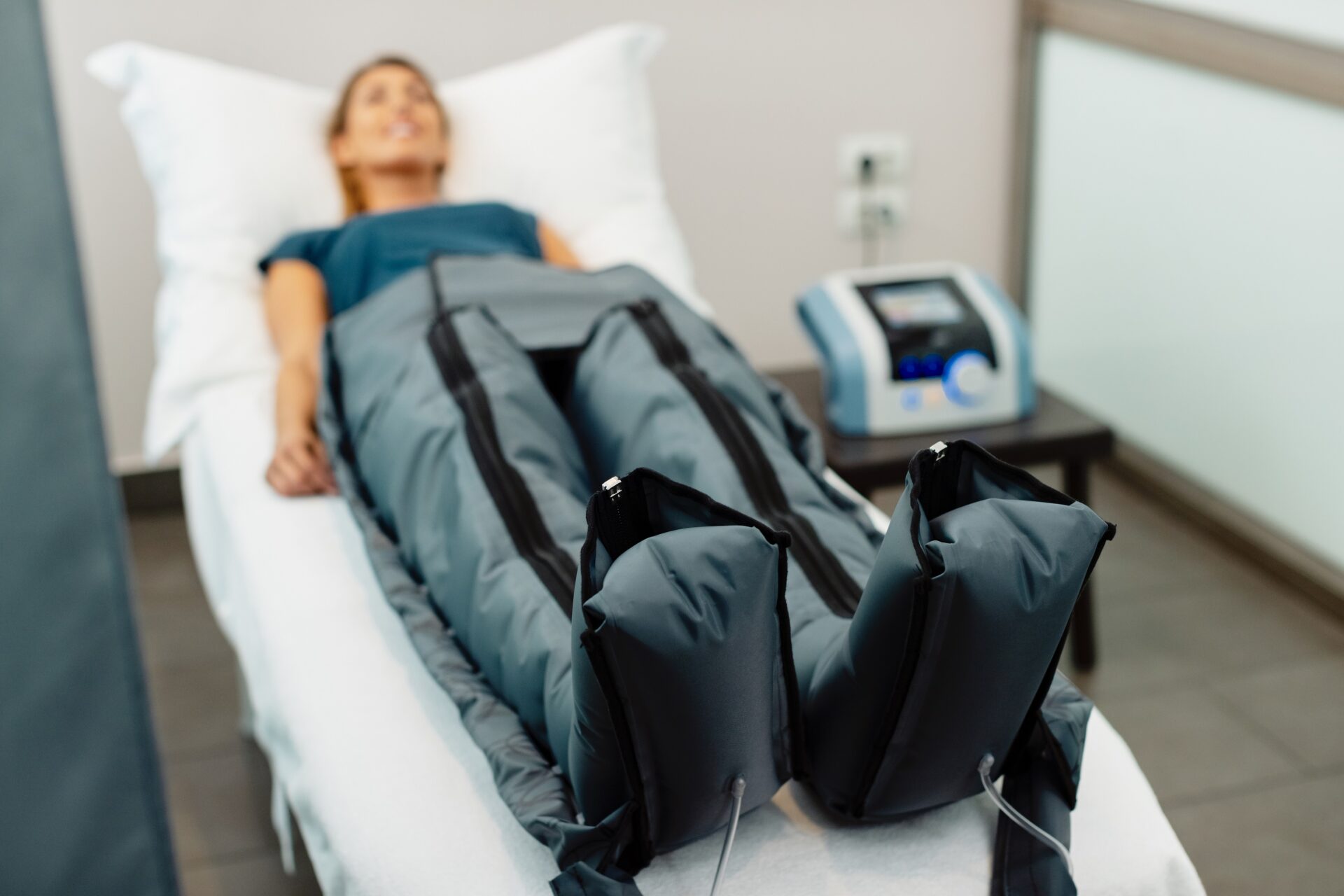
When choosing between lymphatic drainage and pressotherapy, the most useful thing is to understand what to test first, what is best to leave aside and how to move forward without getting distracted.
When you are hesitating between several options, it is better to move forward in simple steps: observe, choose a priority, then adjust the routine without changing everything at once.
Contents
When this subject is really useful
This comparison is useful if you are looking for a lever more oriented towards circulation and retention, but you hesitate between a gentler manual approach and a more instrumental solution. If the subject still seems confusing to you after several readings, come back to this simple framework: observe first, choose a priority then, then only intensify the routine.
The right diagnosis before taking action
The right choice depends less on an abstract hierarchy than on your constraints of time, budget, access and above all on your ability to follow a protocol over several weeks. The most useful thing is to relate the symptoms to their real rhythm: variations over the day, over the cycle, over several weeks or according to the method used.
- Time available each week to maintain the method.
- Acceptable budget without creating rapid abandonment.
- Concrete access to technology and logistical simplicity.
- Your body’s response to gentle, regular and drainage-oriented approaches.
Four-step analysis framework
This framework helps to compare consistent weeks, keep a real signal of progress and see more clearly what suits you best.
Step 1
First define the dominant constraint: time, cost, accessibility or sensation preference. Keep the same monitoring benchmark during this phase: same photos, same area, same frequency of observation.
Step 2
Choose a main method for at least four weeks. Keep the same monitoring benchmark during this phase: same photos, same area, same observation frequency.
Step 3
Measure lightness, swelling and comfort in a comparable setting. Keep the same monitoring marker during this phase: same photos, same area, same observation frequency.
Step 4
Then add a combination only if a real need appears. Keep the same monitoring benchmark during this phase: same photos, same area, same frequency of observation.
Action plan over 2 to 4 weeks
The logic is not to do everything at the same time. It involves choosing a realistic order of action, then sticking with that framework long enough to see what really helps.
- Associate the chosen method with walking, hydration and less sedentary lifestyle.
- Follow a realistic frequency rather than a spectacular but isolated test.
- Note the effect felt at the end of the day and over several days, not just after the session.
- Link your choice to the lymphatic drainage guide and the water retention guide to maintain a coherent strategy.
What you can do this week
If you want to turn the reading into a concrete plan, keep a minimal format: a main objective, two or three realistic time slots, a single follow-up benchmark and a mini-assessment at the end of the week. This simplicity avoids reloading the subject unnecessarily.
- Choose only one question to decide during the week, not three at the same time.
- Keep the same observation frequency to avoid false deviations.
- Note what really facilitates adherence instead of just following the motivation of the day.
- Decide at the end of the week whether to extend the same protocol or test another, more suitable approach.
How to know if you are going in the right direction
When the choice is well framed, you obtain a cleaner reading of circulatory comfort, swelling and real adherence to the chosen method. The right signal is not a sudden transformation. It is a routine that is more readable, better tolerated and easier to maintain from one week to the next.
- A single main objective, measured using comparable criteria.
- A routine frequency actually maintained, and not just planned.
- Less hesitation between several contradictory methods.
- A better idea of what method or reading to pursue next.
Frequent mistakes to avoid
- Choose according to fashion instead of starting from real constraints.
- Multiply one-off sessions without a basic routine behind.
- Compare weeks that are not comparable due to cycle, heat or sleep.
- Stopping too early before having real perspective.
Choose according to the context rather than at random
This comparison becomes really useful when it is linked to the right context: Lymphatic drainage guide: benefits, limits and routine for general logic, Water retention guide: causes, diagnosis and solutions if swelling dominates, and Heavy legs guide: causes, relief and circulation routine if the feeling of heaviness helps you read what’s going on best.
Frequently asked questions
Which one is the most effective?
There is no universal answer. The best is the one that improves comfort while remaining truly tenable in your context.
Can we do both from the start?
This is generally not the best starting point, because you quickly lose sight of what really helps.
On what should we judge the method?
On comfort, the frequency actually maintained and the reduction in swelling over several weeks.
Guides to consult then
These pages allow you to go further with a more complete or more precise angle, depending on the point you want to explore in greater depth.
- Lymphatic drainage guide: benefits, limits and routine
- Water retention guide: causes, diagnosis and solutions
- Heavy legs guide: causes, relief and circulation routine
- Technical guide anti-cellulite: comparison, cost and effectiveness
Complementary articles
These contents complete the reading with a more practical or more comparative angle, depending on the point you want to clarify next.
- Water retention or fat: how to know what is really swelling?
- Routine anti-cellulite 21 days: the complete plan
- Stress, cortisol and abdominal cellulite: what is the real link?