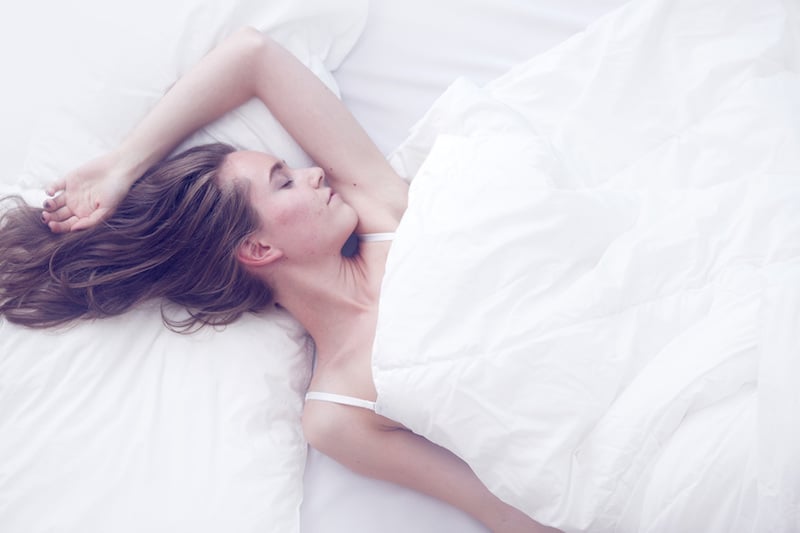
Losing weight while sleeping… A dream for so many of us! Yet, as you’re about to discover in this article, it’s entirely possible. So if you want to slim down without any effort, put on your pyjamas and follow our tips!
Sommaire
Slimming and sleep: a quick explanation!
Numerous studies on the relationship between sleep and weight management have been conducted. For a long time, it was observed that people who sleep more were less affected by excess weight than those who were sleep-deprived. Scientists then decided to carry out research, and the findings are clear: there is indeed a correlation between sleep and weight. Someone who sleeps little (fewer than six hours a night) is more likely to be overweight than someone who gets a full night’s sleep (around eight hours).
How can this be explained? It all comes down to hormones! In short sleepers, levels of leptin, ghrelin and cortisol are found to be disrupted.
- Leptin is the satiety hormone. It’s the one that sends your brain the message “I’m no longer hungry”.
- Ghrelin is the hormone that signals hunger. It generally rises before meals.
- Cortisol is known as the “stress” hormone. It actually helps regulate glucose synthesis and stimulates the release of proteins and lipids in the body. Simply put, cortisol enables the release of energy when it is needed (during physical effort or stress).
When we suffer from a lack of sleep, blood levels of these hormones go haywire:
- Leptin drops, causing us to lose our sense of fullness.
- The body secretes more ghrelin, which stimulates appetite.
- A disrupted cortisol production leads to poor glucose metabolism… which causes increased fat storage. Moreover, elevated cortisol levels trigger irrational food cravings (for fatty and sugary foods), as the body tries to cope with mental and physical stress by boosting “feel-good hormones” (dopamine, serotonin).
This fascinating organic chemistry explains why people who sleep more tend to have a lower BMI (body mass index) than insomniacs… or those who are sleep-deprived.
Adjusting your meals to lose weight while sleeping
To understand the importance of your evening meal, it helps to know that our body releases a particular hormone during deep sleep phases. If your dinner was too heavy and/or eaten too late, this hormone will prompt your body to store the food still in your digestive system — as fat! The same applies to alcohol: the sugar it contains will be converted into fat by this hormone produced during sleep. To avoid this and lose weight while sleeping, it’s advisable to keep your evening meal lighter. For example, opt for a portion of lean protein (fish, white meat, tofu…) paired with vegetables. Also avoid alcohol in the 3 hours before bedtime. Another key point: don’t eat too late. Ideally, give your body time to digest before going to bed — around 3 hours.
Turn down the heating to lose weight while sleeping
 It’s actually quite simple: if you sleep in a cool room, your body will burn more calories to maintain its temperature. It’s estimated that lowering the temperature by 2 degrees could burn around 100 calories extra over 24 hours of sleep. What’s more, a cooler temperature makes it easier to fall asleep. So don’t hesitate to open the windows before bed, remove a blanket or turn down the heating if you want to lose weight while sleeping.
To lose weight while sleeping, rely on night-time treatments
Night slimming treatments are designed to help your body reduce fat deposits in targeted areas while you sleep. They support inch loss by working when the body is in energy-storing mode — storing lipids, which happens every night. To lose weight while sleeping, make it a habit to apply your slimming treatment every evening before bed!


Avoid light to lose weight while sleeping
 According to several scientific studies, our body produces a hormone called melatonin when we are in complete darkness. This hormone helps us sleep better and burn more calories! To make the most of it, try to make your bedroom as dark as possible by drawing the curtains and switching off standby lights and all screens.
To lose weight while sleeping, get enough sleep
Several studies have shown that someone who sleeps at least 7 hours each night will burn more calories throughout the day, even at rest (around 5% more). Getting enough sleep will also help you avoid mid-day energy slumps and sugar cravings. Keep that in mind next time you can’t bring yourself to put down your favourite series or book and go to bed!
Now that you know how to lose weight while sleeping, we bet you’ll never look at your bed the same way again!
Seek total darkness to lose weight while sleeping
If you sleep in a room exposed to light — whether from outside or artificial sources — the quality of your sleep will suffer. Complete darkness encourages the production of melatonin, known as the “sleep hormone”. It regulates the body’s hormonal secretions (including leptin, ghrelin and insulin), blood pressure and immunity. It also supports weight loss by modulating body temperature, thereby increasing energy expenditure. For a truly restorative night’s sleep, fit blackout blinds or curtains. Make sure to switch off all devices emitting blue light (phone, television or tablet): blue light disrupts melatonin production and makes it harder to fall asleep. The same goes for illuminated alarm clocks — opt for a mechanical one instead! This way, you’ll give yourself every chance of sleeping well… and slimming down!
Take the time to sleep in order to lose weight while sleeping
This tip might seem strange… but it really isn’t! Our daily lives are filled with endless demands on our attention. Come evening, instead of going to bed — as your body is asking you to — you’d rather start the new season of your favourite series, catch up on videos you missed, sort through a pile of paperwork, or chat on the phone with your best friend… And so you chip away at your sleep time. Time to stop! The signs of sleepiness are unmistakable: stinging, heavy eyes, uncontrollable yawning, feeling cold. When these signals appear, it’s time to head to bed. Get 8 hours of sleep if that’s what your body needs, and save the films and admin for the weekend. Need a figure to convince you? People who sleep a full night have energy expenditure that is 5% higher than those who are sleep-deprived…