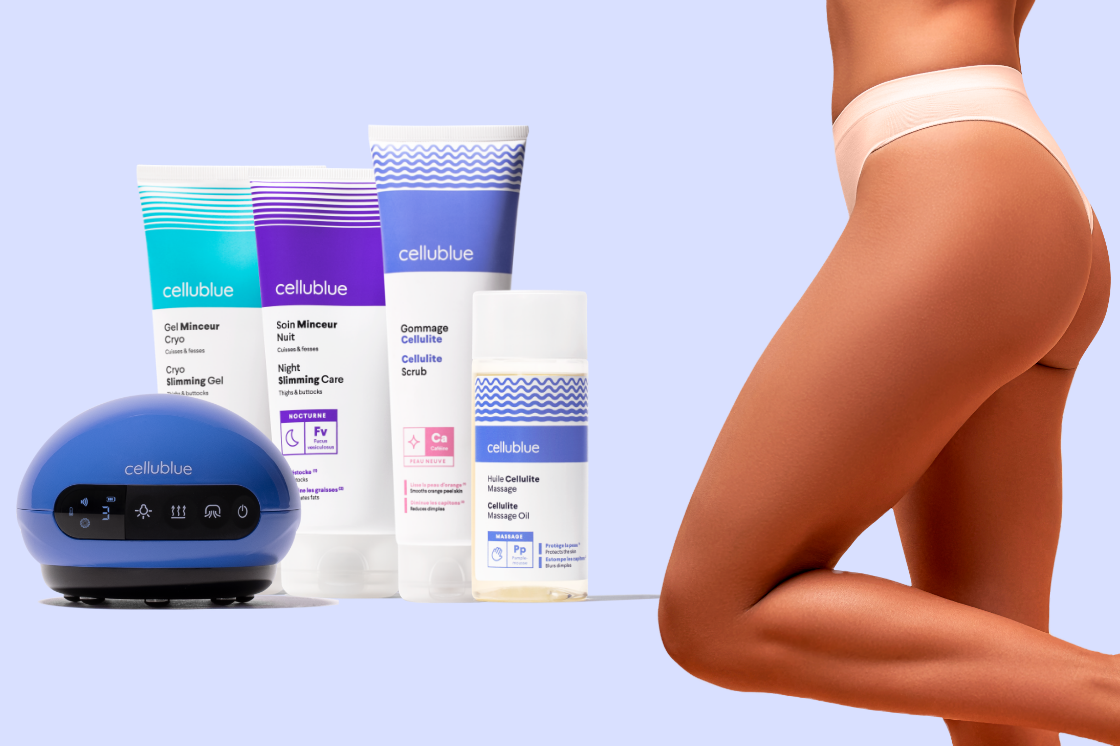
On a 21-day anti-cellulite routine, the most useful thing is to understand what to test first, what is best to leave aside and how to move forward without getting distracted.
When you are hesitating between several options, it is better to move forward in simple steps: observe, choose a priority, then adjust the routine without changing everything at once.
Contents
When this subject is really useful
Twenty-one days is a good format when you want get out of the approximation, compare coherent weeks and finally obtain a protocol long enough to be truly readable. If the subject still seems confusing to you after several readings, come back to this simple framework: observe first, choose a priority then, then only intensify the routine.
The correct diagnosis before taking action
This type of plan works best when it remains progressive. The objective is not to increase the load each day, but to establish a tenable routine, followed and compatible with the rest of the week. The most useful thing is to relate the symptoms to their real rhythm: variations over the day, over the cycle, over several weeks or according to the method used.
- Actual weekly adherence.
- Skin tolerance and correct recovery.
- Quality of sleep not degraded by routine load.
- Visual or tactile indicators monitored at a fixed rate.
Four-step analysis framework
This framework helps to compare consistent weeks, keep a real signal of progress and see more clearly what suits you best.
Step 1
Week 1: install the fundamentals and make the protocol reproducible. Keep the same tracking cue during this phase: same photos, same area, same observation frequency.
Step 2
Week 2: consolidate the technique and smooth out the frequency without adding too much complexity. Keep the same tracking cue during this phase: same photos, same area, same observation frequency.
Step 3
Week 3: adjust a single lever to optimize the routine without breaking it. Keep the same monitoring reference during this phase: same photos, same area, same frequency of observation.
Step 4
Final assessment: keep what works, remove what is superfluous and prepare for what comes next. Keep the same monitoring benchmark during this phase: same photos, same area, same frequency of observation.
Action plan over 2 to 4 weeks
The logic is not to do everything at the same time. It involves choosing a realistic order of action, then sticking with that framework long enough to see what really helps.
- Choose a main method and a single priority objective.
- Plan fixed checkpoints with photos and feedback.
- Link local routine to sleep, walking and eating when relevant.
- Then continue towards the most useful guide according to your needs, instead of multiplying vague protocols.
What you can do this week
If you want to turn the reading into a concrete plan, keep a minimal format: a main objective, two or three realistic time slots, a single follow-up benchmark and a mini-assessment at the end of the week. This simplicity avoids reloading the subject unnecessarily.
- Choose only one question to decide during the week, not three at the same time.
- Keep the same observation frequency to avoid false deviations.
- Note what really facilitates adherence instead of just following the motivation of the day.
- Decide at the end of the week whether to extend the same protocol or test another, more suitable approach.
How to know if you are going in the right direction
Over three weeks, you generally obtain a better reading of the useful frequency, the most tolerated method and the real levers which deserve to be kept beyond the first cycle. The right signal is not a sudden transformation. It is a routine that is more readable, better tolerated and easier to maintain from one week to the next.
- A single main objective, measured using comparable criteria.
- A routine frequency actually maintained, and not just planned.
- Less hesitation between several contradictory methods.
- A better idea of what method or reading to pursue next.
Frequent mistakes to avoid
- Increase pressure or frequency too quickly.
- Process several zones without priority logic.
- Change half of the plan along the way.
- Forget that a complete plan must remain compatible with real life.
Frequently asked questions
Why twenty-one days?
Because this format already gives enough perspective to compare several weeks without falling into an endless protocol.
Should we do the same every day?
No. Above all, you need a stable structure, with a consistent frequency and a few days of recovery.
What to do after the 21 days?
Keep the core that works and transform it into a more sustainable routine instead of starting all over again.
Guides to consult afterwards
These pages allow you to go further with a more complete or more precise angle, depending on the point you want to explore in greater depth.
- Cellulite: definition, types, causes and solutions to reduce it
- Anti-cellulite massage guide: methods, choices and rhythm
- Anti-cellulite technique guide: comparison, cost and effectiveness
- Guide sustainable slimming: method, steps and realistic routine
Complementary articles
This content completes the reading with a more practical or more comparative angle, depending on the point you want to clarify next.
- 7-day anti-cellulite routine: what to do morning and evening?
- How many How long does it take to see the results of an anti-cellulite routine?
- Stress, cortisol and abdominal cellulite: what is the real link?