Cupping and palper-rouler massage are two massage techniques, but they differ in intensity and ease of use depending on the area. This comparison helps you weigh up the practical demands of each method and choose the one that best suits your skin, your tolerance and the time you can realistically set aside. You will also find simple ways to track your routine, along with common mistakes to avoid so that you can assess your choice clearly.
When this comparison really helps
This comparison is mainly about choosing a tool you can use correctly and regularly.
A method that looks impressive on paper is of little use if it causes too much pain or too many marks, or leads to sloppy technique.
Use the same reference point from one session to the next to judge how well you tolerate it and how you are getting on.
Step 1
Choose one main method for two weeks rather than comparing everything at once.
Step 2
Track comfort, how regularly you stick to the routine and how well you recover after each session.
Step 3
Adjust the pressure or duration before introducing a second technique.
Step 4
Then stick with the method that is clearest and easiest to maintain over four to six weeks.
A 2- to 4-week action plan
The idea is not to do everything at once. Instead, choose a realistic order of steps, then stick with that framework long enough to see what genuinely helps.
- Start with moderate pressure and enough glide.
- Focus on one or two priority areas before extending your routine.
- Take photos or note how your skin feels every two weeks, not after each session.
- Refer to the cupping, palper-rouler and anti-cellulite massage guides to inform your choice.
Palper-rouler: how many times a week?
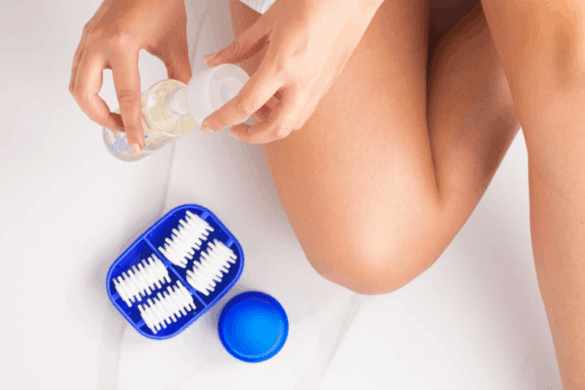
There is no single frequency that suits everyone, whether for palper-rouler or cupping. To begin with, plan two or three realistic slots in your week that you can actually keep to. Work with moderate pressure and enough glide, for example with a massage oil. After two weeks, take stock. If the routine is well tolerated and easy to maintain, keep to this rhythm. If your skin marks or the sessions become a chore, reduce the pressure or duration before adding more sessions. If pain persists, seek advice from a doctor.
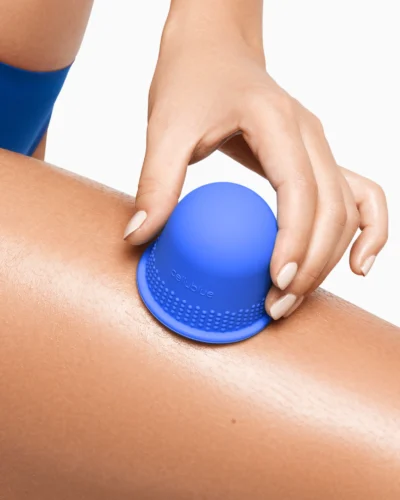
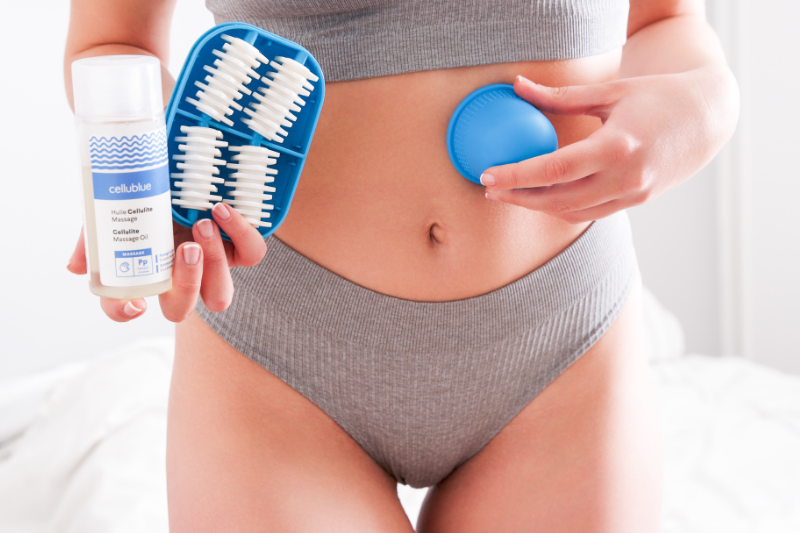
The cupping tool that replicates pinching and rolling, 3 minutes per zone
- The professionals' technique, at home: you lift, glide, and release, and the tool grips the skin fold like a manual pinching and rolling
- Soft silicone that fits thighs, buttocks, stomach, and arms
- 3 minutes per zone, every day, always with a massage oil so the tool glides
What you can do this week
If you want to turn what you have read into a concrete plan, keep it minimal: one main objective, two or three realistic time slots, a single way of tracking your routine and a quick review at the end of the week. This simple format keeps you from overcomplicating things.
- Choose one question to answer during the week, not three at once.
- Check in at the same frequency so you do not see differences that are not really there.
- Note what genuinely helps you stick with it, rather than relying only on how motivated you feel that day.
- Decide at the end of the week whether to continue with the same routine or try another, better-suited approach.
How to tell whether you are on the right track
A good choice makes everything that follows much simpler: less hesitation, less switching between conflicting approaches and much better consistency over several weeks. The sign to look for is not a dramatic transformation. It is a routine that is clearer, better tolerated and easier to keep up from one week to the next.
- A single main objective, measured using comparable criteria.
- A frequency you actually stick to, rather than one you merely plan.
- Less wavering between conflicting methods.
- A clearer idea of what to explore next, depending on your needs.
Common mistakes to avoid
- Seeking stronger marks on the skin in the belief that you will get a better result.
- Switching from one tool to another before having a clear basis for comparison.
- Changing frequency, pressure, oil and area all at once.
- Mistaking pain for a sign of progress.
Frequently asked questions
Can you alternate between the two methods?
Yes, but only once you have established a main routine. Otherwise, you quickly lose a clear basis for comparison.
Should you massage every day?
Not necessarily. A moderate but regular frequency is often more useful than an intensity your skin does not tolerate well.
Which method is the simplest to start with?
It depends above all on how confident you are with the technique and how sensitive the area is, not on a universal ranking.
Guides to read next
These guides take you further with a more complete or more structured approach, depending on the question you still have.
- Anti-cellulite cupping guide: method, frequency and mistakes to avoid
- Palper-rouler guide: technique, frequency and progression
- Anti-cellulite massage guide: methods, choice and rhythm
- Cellulite: definition, types, causes and solutions
Related articles
These articles build on this one with a more practical or comparative angle, depending on what you want to clarify next.
- Gua Sha, cupping or foam roller: which anti-cellulite method is right for you?
- 21-day anti-cellulite routine: the complete plan
- How long does it take to see results from an anti-cellulite routine?
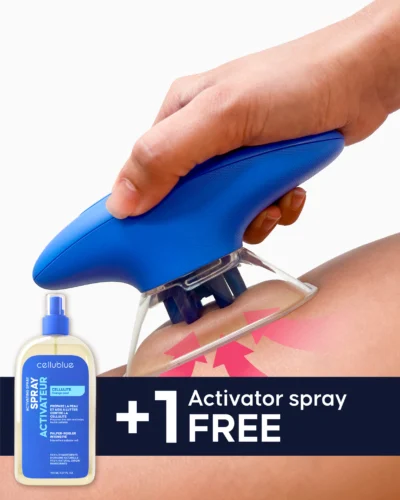
To go further, explore the Cellublue shop: our anti-cellulite products.
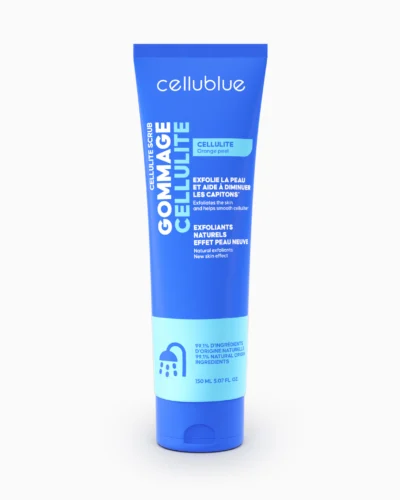
The scrub that leaves skin smooth and skin texture refined*
*User test on 21 volunteers over 4 weeks, based on participants' feedback.
- Olive & apricot kernels: these natural grains gently sweep away dead skin cells
- Caffeine & monoi scent, so your shower instantly smells like a holiday
- In the shower, two to three times a week, massaging your thighs, bottom and stomach