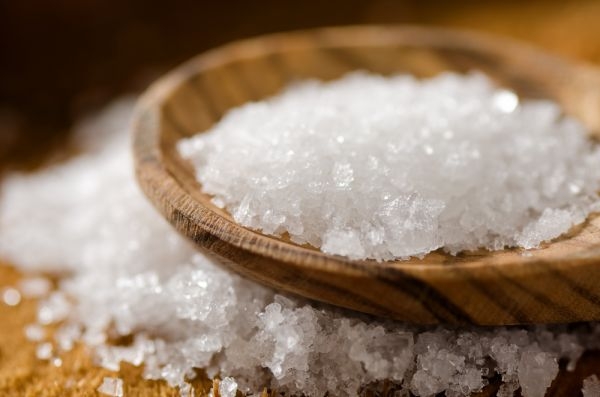
A lot of people love salt and can’t eat without adding it to their meal. Unfortunately, salt can quickly become dangerous for our health. Eating too much salt can cause hypertension. Improving your diet is a good way to take care of your health.
A Few Tips to Reduce Salt in Your Diet
Ban processed food!
Watch out for processed food and precooked meals. These industrial products contain a high level of salt, as well as a high level of fat and sugar. If you want to improve your diet and are starting new routines, ban processed food from your shopping list. Try and cook your meals yourself with fresh produce. If you have a busy schedule you can cook meals during the week-end and freeze them for the week.
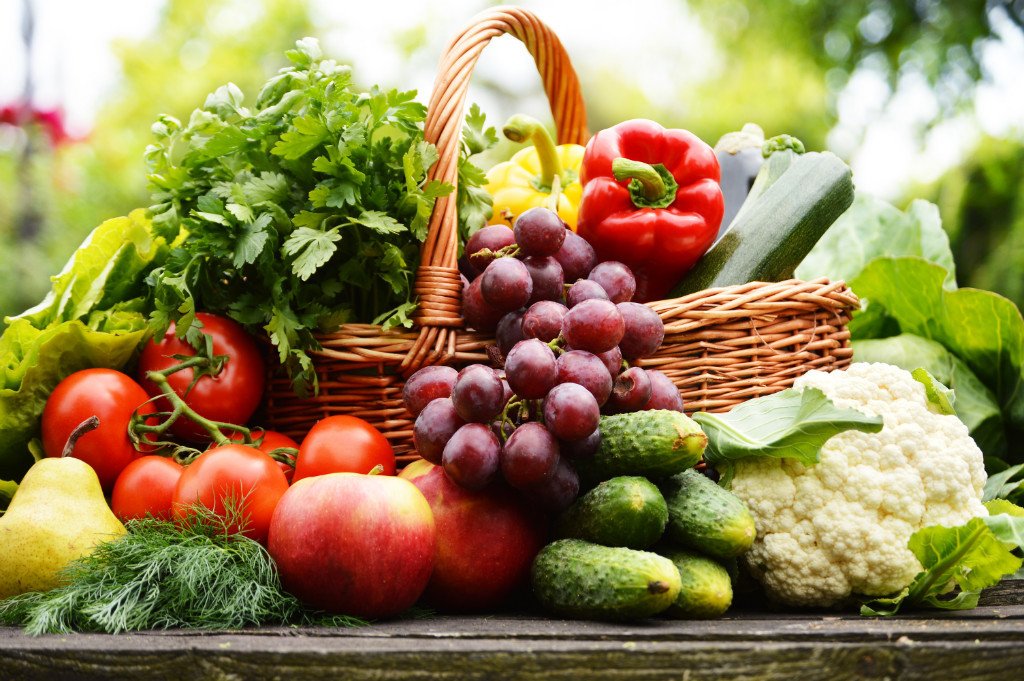
Use spices & herbs
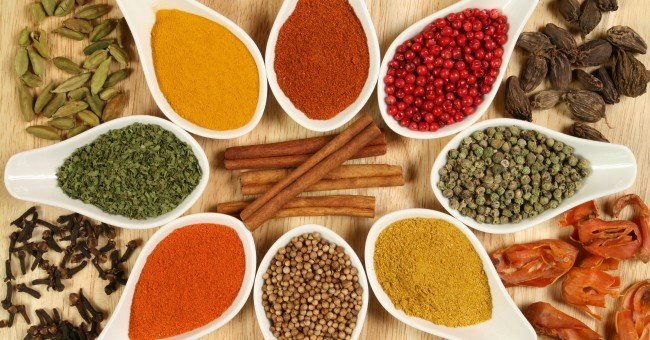
Salt can be replaced by spices and herbs, which are healthier. For instance, try mint, cinnamon, ginger or parsley. You can use dried or fresh herbs.
Foods to avoid
Some foods contain a lot of salt but do not taste salty at all. This can be dangerous as we will have a tendency of adding extra salt to them. To avoid any bad surprises avoid greasy cuts of meat, industrial cereals, packet soups and salty snacks such as crisps.

Other alternatives
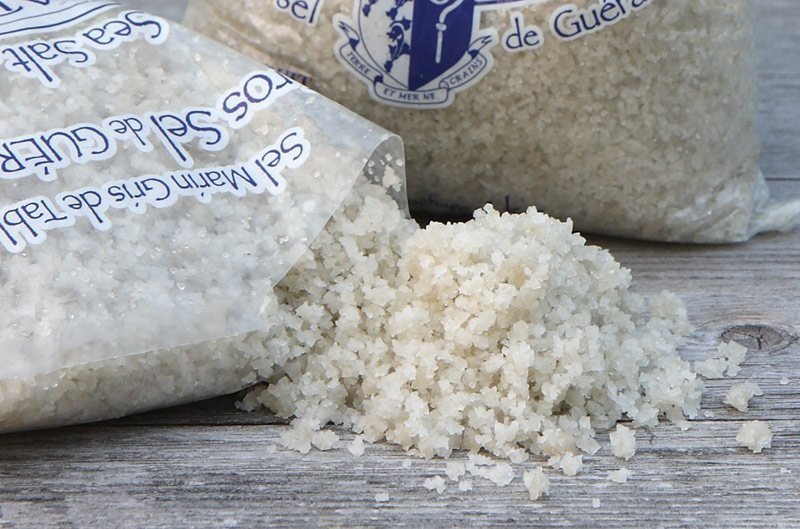
Dried seaweed can be a great alternative for those who can’t live without salt. If you really can’t live without the real thing prefer unrefined salt. This type of salt is full of good minerals. Don’t forget that even if you use unrefined salt you should always be careful about the amount you use. Try to reduce the amount of salt you eat.
Related articles
- Salt and its effects on our body
- Salt-free recipes: 8 tasty ideas for every day
- How to manage cellulite when you have big thighs
- Spirulina: What You Need to Know About This Microalga
- 10 Vegetable Oils Against Cellulite and How to Use Them
- Does a sisal mitt really work against cellulite?
Useful categories: Water Retention, All About Cellulite.
To go further, explore the Cellublue shop: our anti-cellulite products.